

Updated on: 2026-07-13
Palestinian thobes are more than clothing; they are a living expression of craftsmanship, memory, and identity. A well-chosen thobe balances silhouette, fabric behavior, and thoughtful details such as sleeve shape, neckline finish, and hand-embroidery. In this guide, you will learn how to evaluate quality, select the right fit, and care for your garment so it remains wearable and meaningful for years. You will also find practical styling ideas and common questions answered in clear terms.
Key Benefits of Choosing Palestinian Thobes
Design Elements to Evaluate Before You Buy
Step-by-Step Guide to Selecting the Right Thobe
Care Practices That Protect Color and Structure
What Are Palestinian Thobes?
Palestinian thobes are traditional long garments designed for modest coverage and comfortable movement. They are often recognized by their distinctive cut, decorative placement, and the way the fabric drapes from shoulder to hem. In many communities, thobes reflect regional design language and family textile traditions, with finishing details that signal ceremonial or everyday use.
Today, thobes remain relevant because they combine heritage aesthetics with practical design. A carefully constructed thobe supports everyday wear while honoring the visual grammar of traditional dress. When you choose Palestinian thobes with attention to materials and workmanship, you obtain a garment that is both elegant and durable.
Key Benefits of Choosing Palestinian Thobes
- Cultural continuity: Each garment carries recognizable design cues rooted in Palestinian textile heritage.
- Design clarity: Traditional construction often results in a stable silhouette that holds shape well.
- Artisan detail: Many thobes feature hand-embroidery work, including motif placement and fine stitching.
- Versatile styling: Thobes can be styled with modern modest layers for different settings.
- Long-term wear potential: With proper care, quality fabrics and finishing can remain beautiful for years.
Design Elements to Evaluate Before You Buy
Not all thobes feel the same in daily use. The differences often come from construction decisions and fabric properties. When you evaluate Palestinian thobes, focus on visible and functional elements that influence comfort and longevity.
1) Fabric behavior and drape
Choose fabric that matches your lifestyle. Thicker weaves can offer structure, while lighter fabrics can move more fluidly. For wear comfort, consider how the garment settles on the body when standing, walking, and sitting. Fabric that drapes well tends to reduce pulling at seams and helps maintain a refined outline.
2) Stitching, seam strength, and finishing
Look for consistent stitching lines and clean interior finishing. Strong seams support frequent wear and reduce stress points at the underarm and side openings. Finishing choices also influence how a thobe handles after washing and steaming.
3) Embroidery placement and motif balance
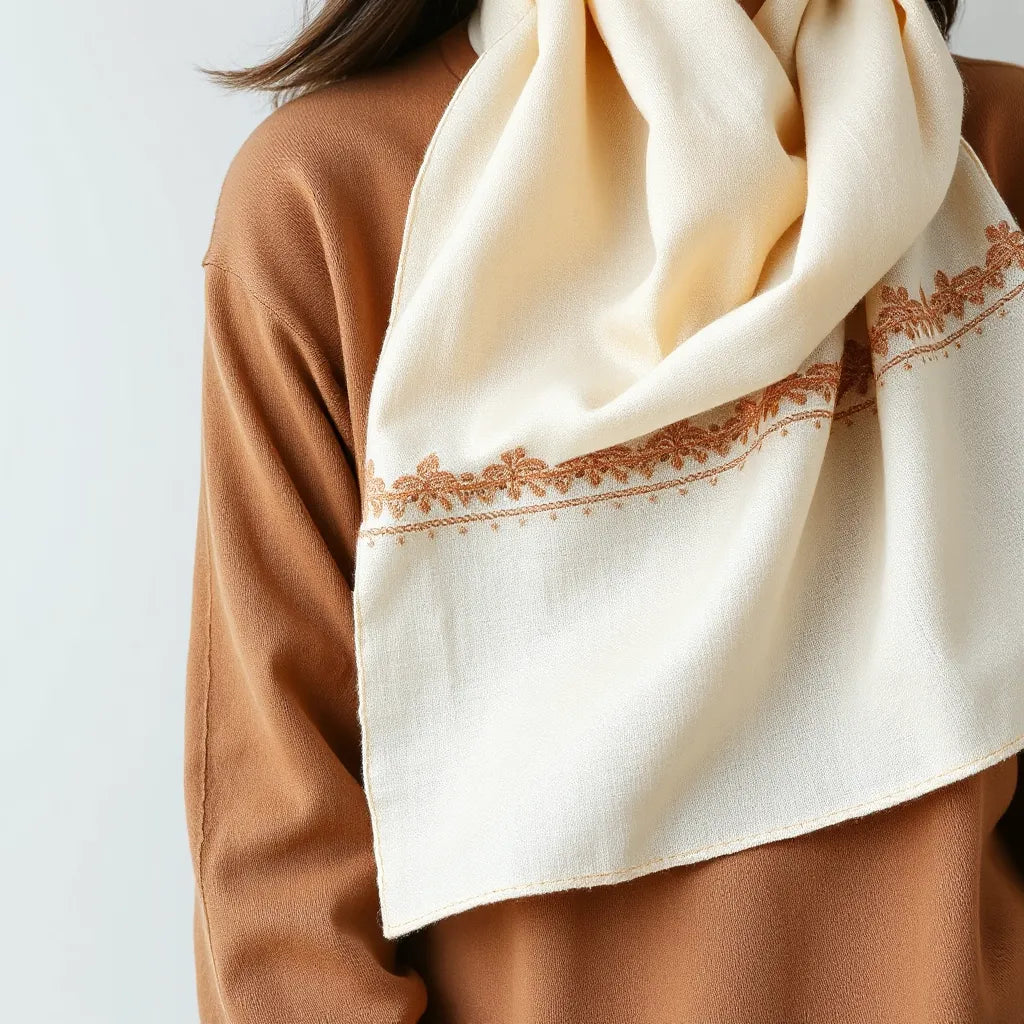
Hand-embroidery and decorative detailing should appear balanced rather than crowded. The placement often matters: decorative areas can frame the neckline, guide the eye along the torso, and add visual focus to the sleeves. When motifs are well-distributed, the overall design looks intentional.
4) Sleeve shape and ease of movement
Traditional sleeve design often supports comfortable arm movement. Evaluate whether the sleeve opening feels restrictive or overly loose. If the thobe includes fitted or tailored areas, confirm that they do not restrict posture or create unnecessary tension at the shoulder.

Balanced embroidery, strong seams, and fluid fabric drape
5) Neckline and internal comfort
The neckline finish should be smooth against the skin. A stable neckline reduces shifting and helps maintain a neat appearance throughout the day. If the thobe includes layered construction or decorative trim, confirm that the inner layers remain comfortable and do not scratch.
Step-by-Step Guide to Selecting the Right Thobe
Selecting a thobe becomes easier when the decision follows a clear sequence. Use the steps below to align design preferences with fit needs and fabric expectations.
Step 1: Define your use case
Determine whether the thobe is for daily wear, formal events, or seasonal use. Everyday use often benefits from durable fabric and practical finishing. Special occasions may prioritize visual impact and decorative detail.
Step 2: Choose a fit strategy
Thobes typically offer a relaxed silhouette. However, the shoulder line, sleeve width, and hem proportions still matter. Compare the garment’s measurements with your body size and the underlayers you plan to wear.
Step 3: Inspect the craftsmanship details
Check embroidery density, edge finishing, and seam consistency. A high-quality thobe shows careful alignment and clean joins. Even when decorative work is intricate, the garment should remain comfortable to wear.
Step 4: Confirm fabric weight and comfort level
Consider climate and typical indoor environments. Fabrics behave differently in warm and cool settings. A thobe with the correct fabric weight can remain comfortable without excessive heaviness.
Step 5: Plan your modest layer coordination
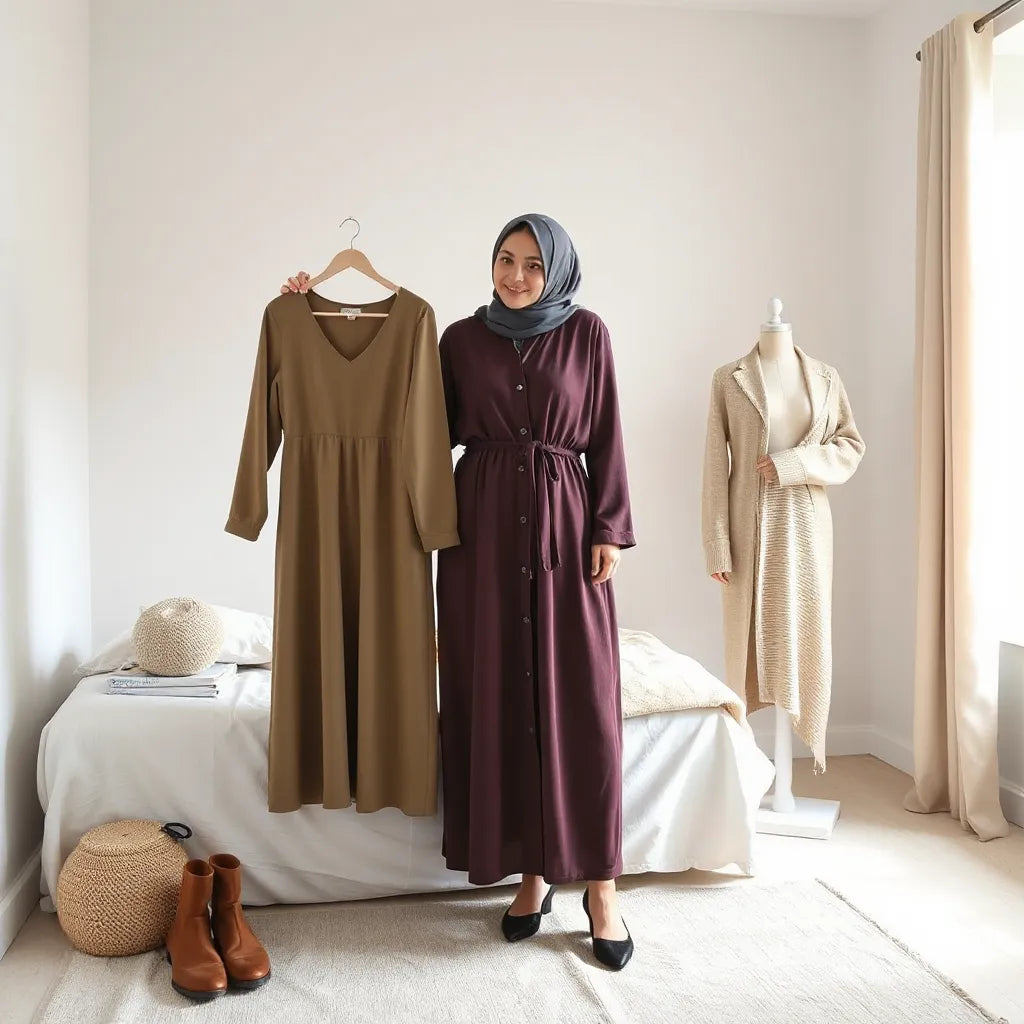
Many people style thobes with coordinated headwear and underlayers. If you are building a complete look, select pieces with compatible fabric qualities and color tones. For a cohesive modest wardrobe, you can pair your thobe with thoughtfully chosen hijab or inner layers.
For example, you may explore premium chiffon hijab options at premium soft chiffon hijab to support a polished drape alongside traditional thobe silhouettes. For additional coverage and comfort, consider a cotton inner layer such as cotton inner hijab to help maintain structure and ease under layering.

Color matching for modest layers and coordinated silhouettes
Step 6: Decide on styling tone
Think in terms of visual tone: classic, minimal, or decorative. Traditional thobes often carry focal detailing, so the rest of your styling should support the garment rather than compete with it. A balanced palette and clean lines in your headwear and accessories can enhance the overall presentation.
Care Practices That Protect Color and Structure
Proper care is essential for maintaining the beauty of Palestinian thobes. The goal is to protect embroidery, preserve fabric integrity, and reduce wear from friction. The following practices are broadly applicable to traditional garments made with woven textiles and stitched decoration.
Gentle washing approach
When washing is necessary, use a gentle cycle or hand-wash method according to the fabric type. Use mild detergent and avoid harsh chemicals that can degrade fibers or dull decorative threads. If the garment has heavy embroidery, consider placing it inside a protective wash bag to reduce snagging.
Drying and heat control
Air drying is often the safest choice. Excessive heat can distort seams and affect fabric texture. If you must use a dryer, choose a low-heat setting and remove the garment promptly.
Steaming versus ironing
Steaming helps relax fabric without applying direct pressure that can flatten embroidered texture. Ironing may be appropriate when needed, but use a low setting and a protective cloth between the iron and the embroidery.
Storage habits for long-term preservation
Store thobes in a clean, dry environment. Keep them folded carefully or hung with appropriate garment support to avoid stress on shoulders and sleeves. Avoid direct sunlight, which can fade colors over time.
Managing friction and daily wear points
Wear friction often occurs at belts, bag straps, and areas where fabrics rub during movement. If your lifestyle involves carrying items frequently, consider adjusting how you position your bag or accessories to minimize abrasion.
Styling Ideas for Everyday Wear and Special Occasions
Thobes can be styled with contemporary modest layers while maintaining respect for traditional aesthetics. Focus on proportions, color harmony, and the rhythm of decorative details.
Everyday style: clean lines and breathable layers
Choose a soft head covering with a smooth drape to complement the thobe silhouette. Pair the outfit with comfortable footwear and a lightweight outer layer when needed. If your thobe has prominent embroidery, keep your additional accessories minimal to maintain visual clarity.
If you prefer a structured look for head and neck coverage, you may consider a bonnet style such as Syrian-style open bonnet to support neat positioning under different styling choices.
Special occasions: enhanced texture and coordinated tones
For events, emphasize the thobe’s decorative areas. Choose headwear with complementary color temperature and a finish that supports the garment’s visual texture. A slightly more formal outer layer can also elevate the silhouette without overshadowing embroidery work.
Seasonal variations: adapt fabric choice and layering
In warm seasons, prioritize breathable fabrics and lighter layers under the thobe. In cooler seasons, add a layer that does not create bulk at the neckline or restrict arm movement. Seasonal adaptation should support comfort while keeping the traditional silhouette intact.
Accessory restraint and intentional detail
Traditional garments communicate through line and motif. When you add accessories, select items that harmonize with the design language rather than introducing competing patterns. Thoughtful restraint improves the final presentation.
FAQ Section
How should I determine the right size for Palestinian thobes?
Start with your chest, shoulder, and sleeve comfort preferences, then compare them with the garment measurements. Because thobes often follow a relaxed silhouette, the most important fit points are the shoulder line and the sleeve width relative to your arm movement. If you plan to wear thicker underlayers, account for that in your measurement comparison.
What fabric qualities indicate better long-term durability?
Look for tight, consistent weaving, stable seam construction, and clean finishing. For embroidered areas, confirm that decorative threads are securely stitched and that the design remains aligned after gentle handling. Fabric weight should match your climate so the garment does not strain seams during movement.
How do I care for embroidery without damaging the stitches?
Use mild detergent and choose gentle washing methods. Avoid aggressive scrubbing around decorated zones and consider turning the garment inside out when recommended by the care instructions. For maintenance between washes, steaming is often a safer option than frequent ironing, especially near stitched details.
Summary & Final Thoughts
Choosing Palestinian thobes with care is an investment in heritage, comfort, and enduring style. When you evaluate fabric behavior, seam strength, embroidery placement, and fit strategy, you gain a garment that remains visually impressive and practical for years. If you are building a modest wardrobe, consider coordinating supportive inner layers and polished headwear so the thobe remains the centerpiece.
For a thoughtful approach to modest fashion, you can explore curated pieces at Palestinian Elegance and discover how artisan-focused design can elevate your everyday style.
About the Author Section
Sulieman Alhazma is a fashion content specialist with expertise in modestwear styling, traditional garment assessment, and textile-informed wardrobe planning. His work focuses on helping readers choose clothing that respects craftsmanship while meeting real-world comfort needs. For those seeking meaningful heritage fashion, his guidance emphasizes careful selection and responsible care. Thank you for reading.
Disclaimer: This article provides general guidance on selecting and caring for traditional garments. Always follow the specific care instructions provided for your individual item, as fabric composition and embroidery techniques may vary.
The content in this blog post is intended for general information purposes only. It should not be considered as professional, medical, or legal advice. For specific guidance related to your situation, please consult a qualified professional. The store does not assume responsibility for any decisions made based on this information.