
Updated on: 2026-08-09
Soft chiffon fabric is valued for its airy drape, delicate texture, and refined movement. When used thoughtfully, it elevates modest outfits without adding visual weight. It also pairs well with structured garments, knit layers, and embroidered details. This article explains how to choose, care for, and style chiffon so the results remain polished over time.
1. What soft chiffon fabric is
2. Why choosing chiffon matters
3. Myths vs. facts about chiffon
4. How to select the right chiffon
5. Best styling ideas for modest wear
6. Care and maintenance for longevity
7. Common questions on soft chiffon
What soft chiffon fabric is
Soft chiffon fabric is a lightweight, finely woven textile known for its soft hand and fluid drape. The fabric typically creates gentle movement when worn, with a semi-sheer appearance that can look refined in daylight and flattering in evening settings. Even when the material is thin, chiffon can provide a satisfying visual balance because it drapes in smooth, rounded lines rather than stiff angles.
Chiffon is often used in layers, especially when the goal is elegance without bulk. In modest styling, that quality becomes practical. You can add dimension to an outfit while keeping the overall silhouette comfortable. Chiffon also works well as a finishing layer over underscarves, inner caps, or structured garments, since its softness reduces friction against the skin.

Airy chiffon texture with flowing, light-catching layers
Why choosing chiffon matters
The right fabric affects how an outfit photographs, how it feels during wear, and how it holds its shape after repeated use. Chiffon is especially sensitive to quality because its beauty comes from balance: softness without clinging, delicacy without collapsing, and drape without excessive wrinkling.
When chiffon is well-made, it creates a clean fall over the shoulders and around the head or neckline. It also supports a layered look. That layered look is important for modest wear because it provides coverage while allowing personal styling. In practice, choosing a reliable chiffon helps prevent common issues such as excessive snagging, uneven sheerness, or fast loss of smoothness.
If you want a starting point for a chiffon-forward wardrobe piece, Palestinian Elegance offers options designed around graceful drape and refined finishing.
Explore premium soft chiffon hijabsMyths vs. facts about chiffon
-
Myth: Chiffon always looks see-through.
Fact: Sheerness depends on weave density, color depth, and how the fabric is layered. Many styles are designed to be worn over an inner layer for balanced coverage. -
Myth: Chiffon is too delicate for everyday use.
Fact: With correct handling and careful care, chiffon can be practical for frequent wear. Quality construction and the right storage method make a noticeable difference. -
Myth: Chiffon cannot hold shape.
Fact: It drapes well, but structure can be added through lining, underscarves, or thoughtful tying techniques. -
Myth: The fabric is only suitable for formal occasions.
Fact: Soft chiffon fabric can be styled for daily modest dressing by selecting calmer colors, simpler edges, and breathable inner layers.
How to select the right chiffon
Choosing chiffon is not only about appearance. It is also about performance. Begin by evaluating the fabric’s body. Good chiffon feels light, yet it does not feel flimsy. The weave should appear even, with consistent texture across the entire yardage or finished panel.
Next, consider your color strategy. If you prefer a gentle, luminous effect, choose colors that maintain depth. Light shades can look elegant, but they require a dependable inner layer to keep coverage balanced. Dark shades can reduce the visibility of the underlayer, yet they can also reveal puckering if the fabric is not handled correctly.
Pay attention to edge finishing. Clean edges support long-term wear by reducing fraying and allowing neat folds. If you are selecting chiffon for a hijab or head covering, look for designs that integrate well with an underscarf so the outer layer falls smoothly.
Match chiffon to your inner layer
Chiffon performs best when layered with breathable under-garments. The inner layer protects comfort and improves the overall silhouette. For many wearers, cotton underscarves are an ideal partner because they reduce friction and help chiffon sit evenly.
Cotton underscarf and bonnet optionsWhen the inner layer is stable, chiffon maintains a neat drape without shifting too aggressively. That stability matters for both comfort and presentation.
Decide how much texture you want
Chiffon can be plain, lightly textured, or enhanced with design elements such as delicate patterns or embroidery. If you already have a decorated outfit, a simpler chiffon can prevent visual overload. If your outfit is minimal, a subtly detailed chiffon can become the focal point.
High Quality Chiffon Hjiab: Gives Your Outfit A Graceful Touch, https://cdn.shopify.com/s/files/1/0713/1158/9683/files/High-Quality-Chiffon-Hjiab_-Gives-Your-Outfit-A-Graceful-Touch-Palestinian-Elegance-221647580.jpg?v=1762921422, https://www.palestinianelegance.com/products/high-quality-chiffon-hjiab
Best styling ideas for modest wear
Soft chiffon fabric is versatile, but styling choices influence how it drapes. Focus on a few proven principles: create intentional layers, avoid unnecessary bulk near the forehead or jawline, and keep folds smooth rather than forced.
Use a gentle wrap with a stable base
Start with a secure inner layer. Then position the chiffon so it hangs in long lines. If the fabric is too tight at the crown, it can create tension that causes lifting at the edges. Instead, aim for a relaxed base and controlled fall.
Create balanced volume
Chiffon can add volume without heaviness. The best look comes from distributing volume across the side panels rather than concentrating it in one spot. For example, you can let a portion of the fabric gather lightly near the shoulder while keeping the neckline smooth.

Balanced folds and soft highlights across a layered silhouette
Pair chiffon with embroidery and texture
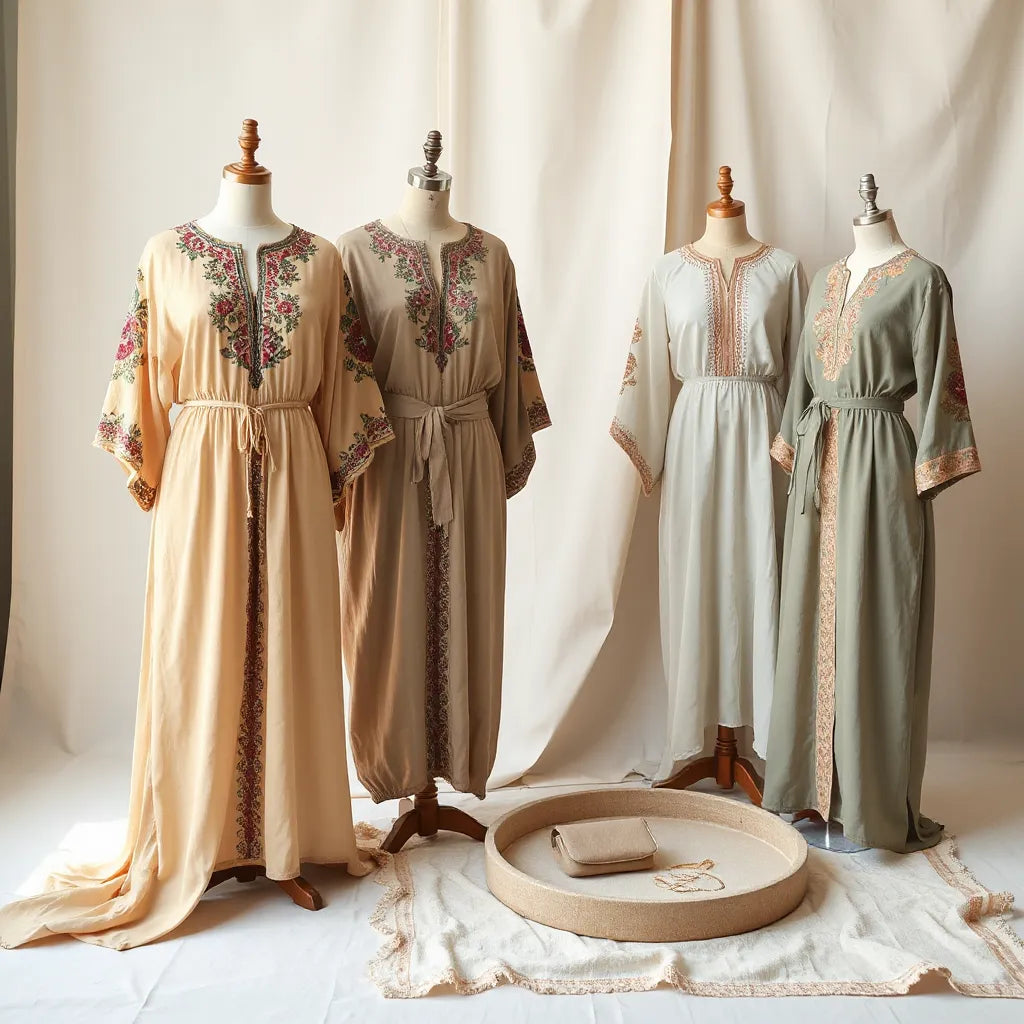
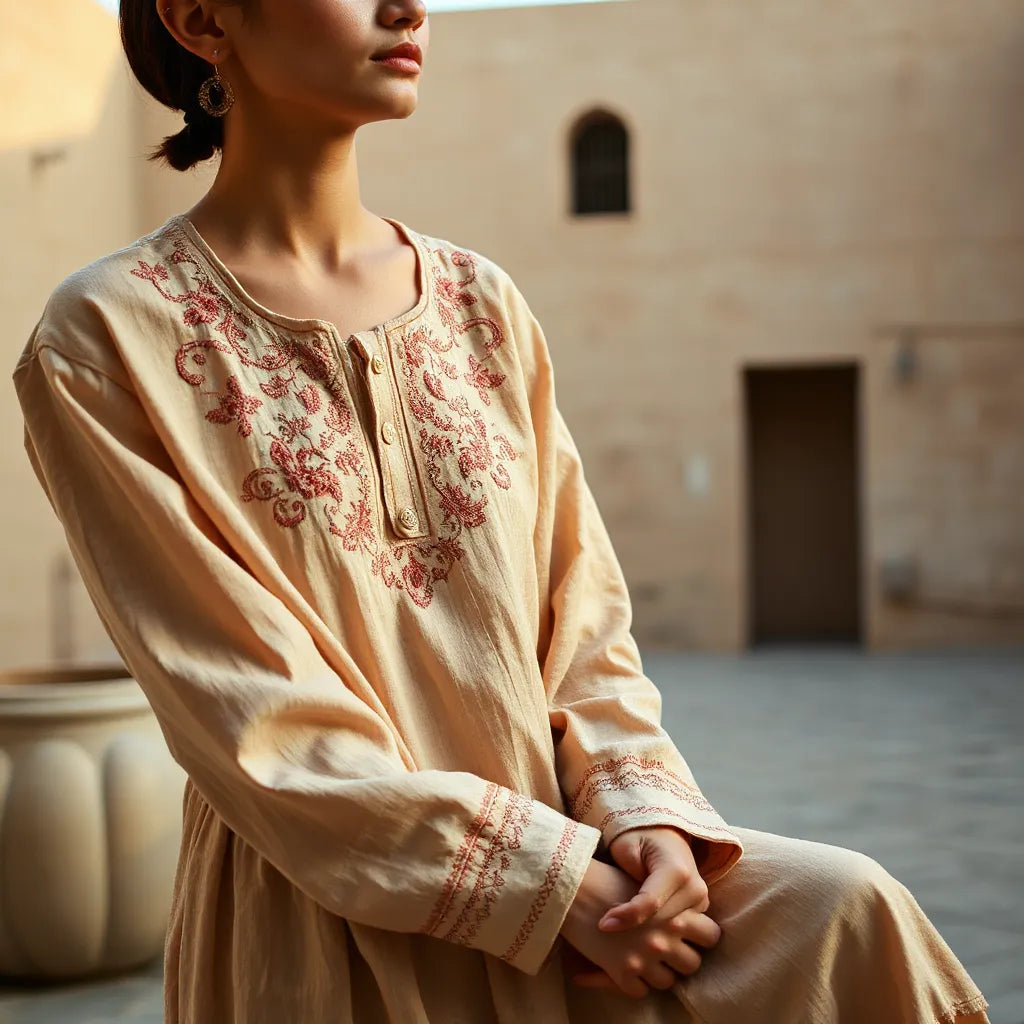
Chiffon complements artisan details because it stays visually light. If your outfit includes hand-embroidery or detailed trims, chiffon provides movement that contrasts with the stillness of stitched patterns. That contrast can make both the embroidery and the drape look more intentional.
If you enjoy decorative finishing, consider how the fabric interacts with the rest of your wardrobe. For example, a lightly embellished outer layer can highlight a refined neckline, while a plain chiffon layer can let a structured garment take the lead.
See how embroidery pairs with modern cutsCare and maintenance for longevity
Proper care is essential for keeping chiffon smooth and beautiful. Because chiffon is lightweight, it responds quickly to heat and harsh handling. Gentle cleaning and mindful drying help protect the fabric’s soft drape.
Washing and drying guidelines
- Wash with care: Use a gentle cycle and mild detergent when machine washing. If hand washing, use cool to lukewarm water and avoid aggressive rubbing.
- Minimize heat: High heat can affect texture and may cause uneven appearance. Air drying is usually the safest option.
- Avoid wringing: Instead of twisting, press lightly to remove excess water. Twisting can distort the weave and create permanent creases.
Remove wrinkles without damaging the weave
Chiffon wrinkles easily, but they often release with low, controlled steam. Use a steamer from a safe distance and test on a small section first. Ironing directly can be risky, especially if the fabric has delicate edging or added details.
Storage tips that preserve drape
Fold chiffon in a way that reduces sharp creases. Rolling chiffon loosely can help, but ensure the fabric is fully dry before storing. Use breathable storage, not sealed plastic, to reduce trapped moisture. Moisture can lead to odor and can affect delicate fibers over time.
Common questions on soft chiffon
Below are practical answers that reflect everyday wear considerations. The goal is to help you make confident choices, regardless of whether you are using chiffon as a hijab fabric, a layered accessory, or an elegant outer finish.
Is soft chiffon fabric appropriate for daily modest outfits?
Yes. Soft chiffon fabric is appropriate for daily wear when it is paired with a breathable inner layer and handled with care. Many people choose chiffon for its light appearance and refined movement, especially in warm weather or when layering is required for comfort and coverage.
How do I prevent chiffon from slipping or shifting?
Chiffon usually shifts when the base layer is unstable or when the fabric is tied too tightly. Use a secure inner layer, then position the outer chiffon so it drapes rather than pulls. A careful placement of the folds helps the fabric settle without forcing friction at the hairline.
Can chiffon be styled with different colors without looking uneven?
Yes, but color planning matters. If the chiffon is light or semi-sheer, match the inner layer color to reduce uneven visibility. For layered looks, keep the inner and outer tones complementary so the overall effect remains smooth and intentional.
What is the safest approach to steaming chiffon?
Steam from a distance and keep the fabric supported to reduce stretching. Avoid direct contact if the chiffon is decorated or if the edge finishing is delicate. Let the fabric rest after steaming so the fibers relax into a natural fall.
Final Thoughts & Takeaways
Soft chiffon fabric offers a rare combination: light weight, graceful movement, and an elegant finish. The most successful results come from aligning quality with practical layering. Choose chiffon with consistent texture, support it with a comfortable inner layer, and care for it gently to preserve its drape. With these fundamentals, chiffon becomes a reliable fabric for polished modest styling across seasons.
For a wardrobe built around refined drape and thoughtful finishing, consider exploring the chiffon-focused selections at Palestinian Elegance.
Discover soft-flow chiffon optionsQ&A Section
Q: What makes chiffon look “luxurious” rather than wrinkled?
A: Luxurious appearance comes from smooth layering, clean edges, and controlled steaming. If you avoid aggressive heat and handle the fabric gently during wear, chiffon retains a polished, even fall.
Q: Should I choose chiffon with embroidery or keep it plain?
A: Plain chiffon is ideal when your outfit already includes strong design elements. Embellished chiffon works well when the rest of the look is minimal, allowing the fabric’s texture to provide visual interest without adding bulk.
Q: How can I protect chiffon from snagging?
A: Use careful handling during dressing, store chiffon flat or loosely folded, and avoid friction points such as rough jewelry edges. If you wear a bag or outerwear that rubs, position the fabric so it is not constantly in contact with abrasive surfaces.
About the Author Section
Sulieman Alhazma is a fashion and textile specialist with expertise in modest wear styling and fabric behavior, including lightweight draping materials. With a focus on how textiles perform in real wardrobes, Sulieman helps readers choose pieces that feel comfortable, look refined, and last through consistent care. Their approach blends practical guidance with an appreciation for traditional craftsmanship and modern presentation. Thank you for reading, and may your fabric choices support confident, elegant dressing.
Disclaimer: This article provides general fashion and care guidance. Fabric behavior can vary by weave, dyeing, and construction, so always check the care instructions specific to your item before cleaning or styling.
The content in this blog post is intended for general information purposes only. It should not be considered as professional, medical, or legal advice. For specific guidance related to your situation, please consult a qualified professional. The store does not assume responsibility for any decisions made based on this information.