

Updated on: 2026-05-29
Palestinian Heritage Fashion blends meaningful tradition with refined modern styling.
When you shop with intention, you support skilled artisans and help preserve cultural motifs for future generations.
Quality materials and careful finishing improve comfort, drape, and long-term wear.
This guide helps you evaluate fabrics, craftsmanship, and fit so you can choose pieces that align with your lifestyle.
Table of Contents
Palestinian Heritage Fashion is more than an aesthetic choice. It is a way to carry stories through fabric, color, and stitch. Many people seek modest wear that feels elegant, structured, and personally meaningful. At the same time, they want pieces that stand up to everyday use. This article explains how to buy with confidence, how to evaluate quality, and how to style heritage-inspired garments in a modern wardrobe. You will also find practical guidance on selecting hijabs, bonnets, and tatreez-inspired apparel that complement your day-to-day needs.
As a family-owned boutique, Palestinian Elegance bridges traditional Palestinian heritage with modern fashion. The focus is on high-quality Tatreez (hand-embroidery), modest wear, and artisan-made Kuffiyehs. The goal is cultural preservation while empowering local artisans through thoughtful design and careful craftsmanship.
Buyer’s Checklist
Before you make a purchase, use this checklist to ensure the piece reflects heritage value and practical comfort. The best choices balance visual integrity, material performance, and finishing quality.
- Verify fabric behavior: Choose breathable, stable fabrics for daily wear. Look for materials that hold shape and feel comfortable against the skin.
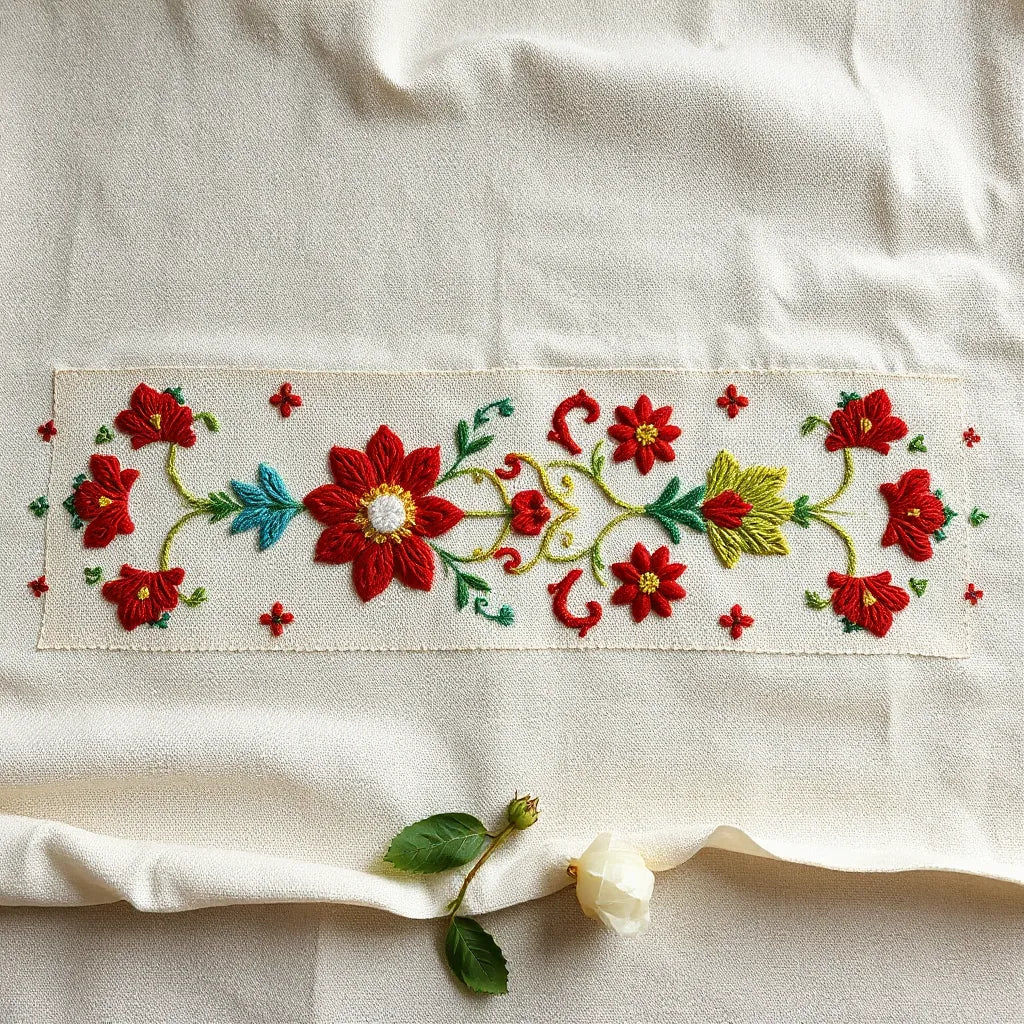
- Assess craftsmanship details: Tatreez and embroidered elements should look clean, even, and securely finished.
- Check drape and structure: Heritage-inspired silhouettes often require good fall. Pay attention to how fabric behaves when moving.
- Evaluate colorfastness: Deep and botanical tones should remain rich over repeated laundering.
- Confirm sizing and coverage: Modest wear should offer confident coverage without strain at the shoulders, neckline, or waist.
- Consider styling compatibility: Think about whether the piece pairs easily with existing layers such as under-scarves, bonnets, or basic modest outfits.
- Review care instructions: Sustainable wardrobe planning starts with realistic care. Gentle, clear instructions support long-term use.
If you are building a capsule wardrobe around heritage motifs, consistency matters. Select a few anchor colors and then vary textures. This approach makes it easier to mix and match hijabs, thobes, and outer modest layers.

Checklist visuals for fabric, stitch, drape, and fit
Step-by-Step Guide
This section breaks down the buying process into clear steps. Each step supports a reliable outcome: you choose a piece that looks authentic, wears comfortably, and aligns with your personal style.
-
Start with your purpose
Decide whether the garment is for daily wear, formal events, travel, or special gatherings. Heritage fashion is versatile, but your priority will guide fabric and silhouette selection. -
Select complementary base layers
A well-chosen under layer improves comfort and helps maintain a smooth, neat profile. If you use head covering regularly, consider pairing your hijab styling with an underscarf or bonnet designed for secure coverage. -
Choose the right head covering system
Many wearers prefer a system that supports both comfort and neat styling. If you want breathable structure, you can explore cotton inner options and bonnet styles. -
Pick a hijab fabric that matches your climate
Texture influences comfort and drape. Chiffon often creates a light, graceful movement. Premium soft chiffon can suit day-to-day styling, while other options may provide more structure depending on your preference. -
Embed heritage motifs with modern styling
Heritage fashion often includes botanical patterns, embroidered accents, and structured silhouettes. Style these details with simple lines. Let the fabric and motifs do the work, and keep accessory choices minimal and cohesive. -
Consider a complete modest outfit for cohesion
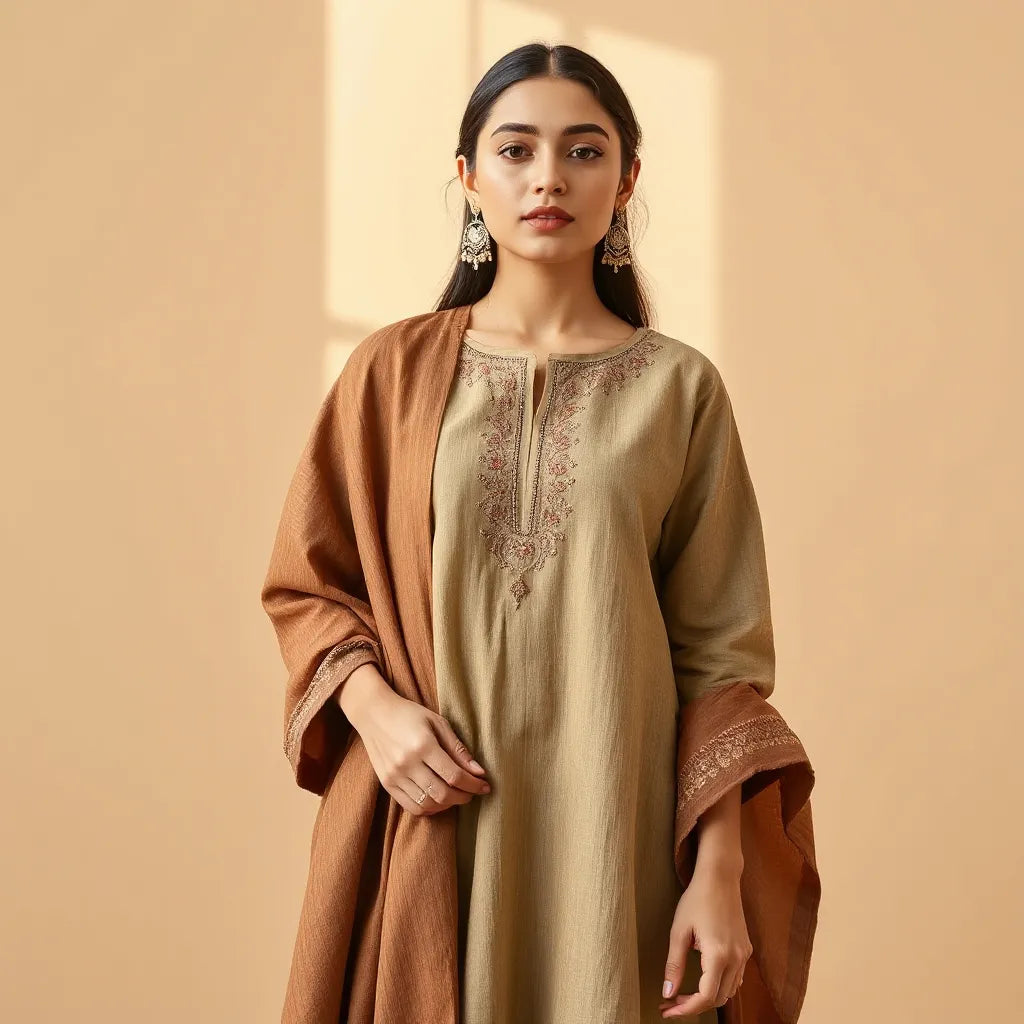
If you want a cohesive look, choose pieces designed to pair well together: a thobe with coordinating embroidery, or an abaya with a refined finish. For example, embroidered thobes can pair elegantly with heritage-toned hijabs, creating a balanced visual rhythm. -
Inspect finishing before checkout
Check seams, edges, and closures. High-quality garments show consistent stitching and clean internal finishing. This step prevents disappointment after the first wear. -
Plan care to preserve appearance
Gentle washing and careful drying help embroidery and printed details remain crisp. Always follow care guidance to protect the integrity of heritage work.
To make the process concrete, consider the following example of heritage-forward textile design:
Botanical Heritage – Digital Chiffon Collection
View Botanical Heritage – Digital Chiffon Collection
This type of digital chiffon presentation is useful when you want heritage aesthetics with a lightweight, wearable feel. Digital artwork can deliver consistent pattern placement while supporting a smoother overall drape. For many customers, this combination makes heritage motifs easier to integrate into everyday styling.

Layering map for underbase, chiffon drape, motifs
FAQ
How do I choose Palestinian Heritage Fashion pieces that feel comfortable for daily wear?
Select fabrics that match your comfort needs first: breathable materials for warmer days, stable drape for movement, and finishing that does not scratch or irritate the skin. Then choose a head covering system that supports secure placement. When comfort improves, the outfit becomes easier to wear repeatedly, which also extends the value of your wardrobe.
What should I look for in Tatreez-inspired embroidery quality?
Look for even stitch density, clean edge finishing, and secure attachment of embroidered elements. The artwork should appear consistent across the piece, without loose threads or distorted pattern alignment. If the embroidery includes multiple colors, color transitions should look intentional rather than uneven. These indicators typically correlate with better long-term wear.
Are heritage-inspired hijab styles easier to match when I build a small capsule wardrobe?
Yes. A capsule wardrobe improves cohesion because you can reuse a few tones and textures across multiple outfits. Choose two or three heritage-adjacent color families and pair them with basic modest layers. Then vary your hijab fabric and pattern scale to create different looks without buying many unrelated items.
How can I maintain modest outfit structure without frequent readjustment?
Use a consistent base layer such as a cotton inner hijab or bonnet, then style the outer hijab with a method that supports smooth edges. Proper base layering reduces shifting at the neckline and shoulders. It also helps embroidery and pattern placement remain visually neat throughout the day.
Closing Thoughts & CTA
Palestinian Heritage Fashion offers a meaningful way to dress with purpose. When you evaluate fabric behavior, craftsmanship, and styling compatibility, you can choose pieces that reflect tradition while fitting modern life. Start with a reliable base, then build outward with hijabs and garments that feature heritage-inspired detail and a refined finish. If you are ready to explore, visit Palestinian Elegance for curated modest wear options and heritage textile designs.
For additional head covering and layered styling ideas, you can begin with these collections from Palestinian Elegance: botanical heritage chiffon, closed bonnet, and cotton underscarf bonnet.
Disclaimer: This article provides general shopping and styling guidance. Product availability, material composition, and care instructions may vary by item and batch. Always review the specific product details and care information provided on the product page before purchasing.
About the Author Section
Sulieman Alhazma is a commerce and content specialist focused on culturally meaningful modest fashion. Their work emphasizes quality standards, careful product storytelling, and practical wardrobe guidance for customers. Expertise highlights include heritage-inspired textile evaluation, customer-focused buying checklists, and clear styling frameworks for modest wear systems. Sulieman Alhazma invites readers to shop with intention and to choose garments that respect craft and everyday comfort.
The content in this blog post is intended for general information purposes only. It should not be considered as professional, medical, or legal advice. For specific guidance related to your situation, please consult a qualified professional. The store does not assume responsibility for any decisions made based on this information.