
Updated on: March 7, 2026
Sustainable modest wear represents a growing movement that combines ethical fashion practices with dignified, covered clothing styles. This comprehensive guide explores how to select quality pieces that honor both personal values and environmental responsibility. Discover practical strategies for building a wardrobe that reflects your commitment to sustainability without compromising on style or comfort. Learn the key factors that distinguish genuinely sustainable options from greenwashing tactics in the modest fashion market.
Table of Contents
- Understanding Sustainable Modest Wear
- Key Materials and Fabric Choices
- Step-by-Step Guide to Building Your Collection
- Expert Tips for Conscious Shopping
- Frequently Asked Questions
- Wrap-up and Final Thoughts
Understanding Sustainable Modest Wear
Sustainable modest wear addresses a significant gap in the fashion industry by providing environmentally conscious options for those seeking covered, dignified clothing. This category merges two important consumer movements: the demand for ethical, eco-friendly fashion and the preference for clothing that respects personal, cultural, or religious values regarding modesty.
The concept extends beyond simple fabric selection. True sustainable modest wear encompasses the entire production cycle, from raw material sourcing through manufacturing, transportation, and end-of-life disposal. Brands committed to this approach prioritize transparency, fair labor practices, and minimal environmental impact. They recognize that modesty-focused fashion consumers are often deeply values-driven individuals who care about the origins and implications of their purchases.
Many individuals seeking modest clothing options come from diverse backgrounds and motivations. Some follow religious or cultural traditions that emphasize coverage and modesty. Others prefer the comfort and confidence that comes with less revealing silhouettes. Sustainable modest wear serves all these communities with equal respect and quality.

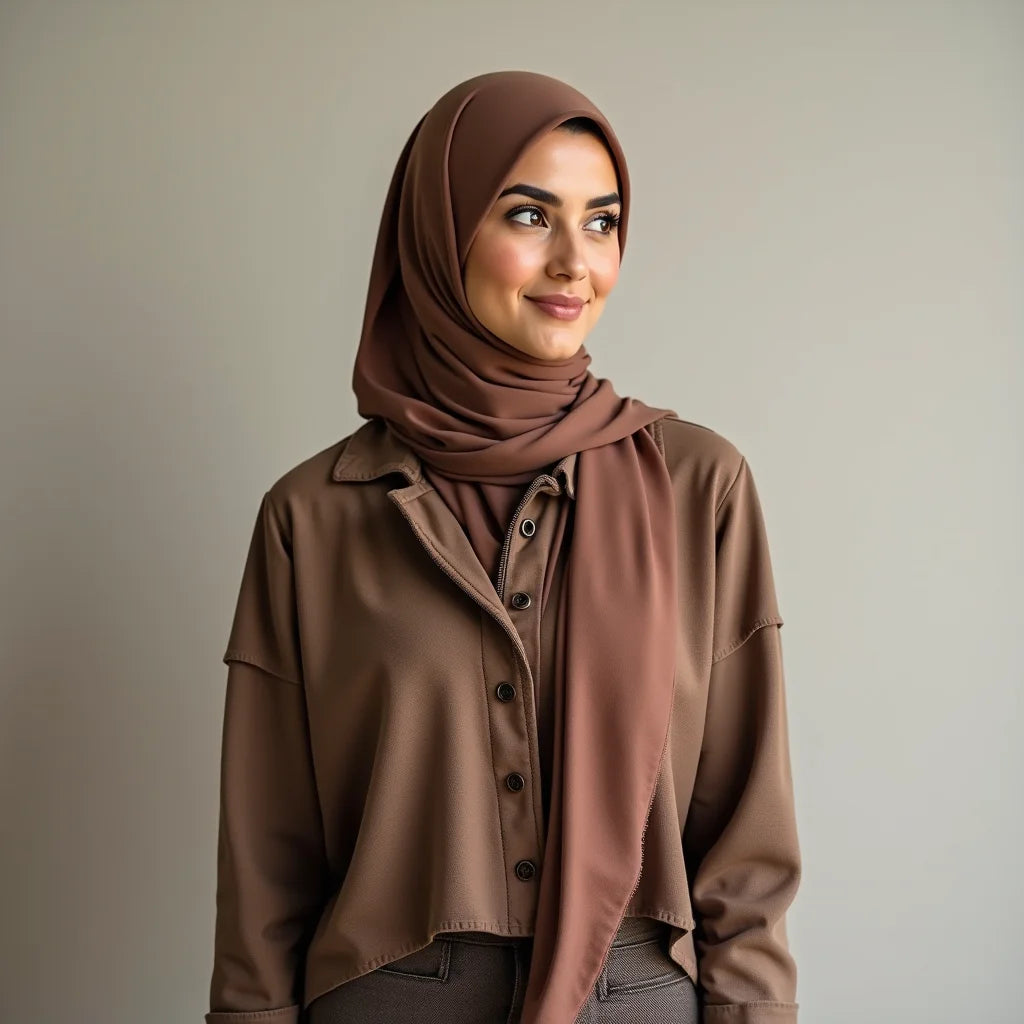
Layered fabrics and natural textures reflecting eco-conscious design principles.
Key Materials and Fabric Choices
Selecting appropriate materials forms the foundation of sustainable modest wear. Organic cotton stands as one of the most accessible and practical choices for everyday modest pieces. Unlike conventional cotton, organic production eliminates synthetic pesticides and fertilizers, significantly reducing environmental contamination and protecting farmer health.
Natural fiber blends offer versatility and durability. Linen, hemp, and ramie fabrics provide breathability and longevity, making them excellent choices for pieces you will wear repeatedly over many seasons. These materials biodegrade naturally at the end of their lifespan, eliminating persistent textile waste concerns.
Chiffon and similar lightweight fabrics work beautifully for modest layering when sourced from sustainable producers. Look for options made from recycled fibers or organically grown materials. Many contemporary modest wear collections incorporate premium soft chiffon options that balance elegance with environmental responsibility.
Avoid synthetic microfibers and petroleum-based fabrics when possible. Polyester, nylon, and acrylic shed microplastics during washing and take centuries to decompose. When synthetic materials appear necessary for functional properties like stretch or water resistance, seek brands that address microplastic shedding through innovative washing systems or specially designed fibers.
Step-by-Step Guide to Building Your Collection
Step One: Assess Your Current Wardrobe
Begin by evaluating what you already own. Identify gaps in your collection and pieces that no longer serve you. This assessment prevents unnecessary purchases and maximizes value from what you already have. Consider which items you wear most frequently and which require replacement soon. This practical foundation informs all subsequent shopping decisions.
Step Two: Identify Your Modest Wear Style Preferences
Determine which modest silhouettes and coverage levels align with your comfort and preferences. Some individuals prefer abayas, while others favor long skirts with layered tops. Consider whether you want statement pieces or understated basics. Understanding your personal style prevents impulse purchases that will not integrate well with your existing wardrobe.
Step Three: Research Sustainable Brands and Certifications
Investigate companies that specialize in sustainable modest fashion. Look for third-party certifications like GOTS (Global Organic Textile Standard) or Fair Trade certification. Read brand transparency reports and customer reviews. Authentic sustainable brands communicate openly about their supply chains, manufacturing locations, and labor practices. Check whether a brand explicitly addresses modesty in their design philosophy rather than treating it as an afterthought.
Step Four: Select Quality Foundational Pieces
Begin with versatile basics that you will wear frequently. These might include lightweight cotton inner hijabs for layering, neutral-colored long skirts, or simple tunics in natural fibers. Foundational pieces form the backbone of any sustainable wardrobe because you will wear them repeatedly, maximizing their environmental value over time.
Step Five: Add Layering and Accessory Pieces
Once basics are established, introduce layering options that add versatility without requiring entirely new outfits. Lightweight cardigans, structured wraps, and hijab-al-amira cotton options extend the functionality of your collection. These pieces allow you to adapt outfits to different seasons and occasions while maintaining your modest aesthetic.
Step Six: Invest in Statement Pieces Thoughtfully
After establishing a solid foundation, selectively add pieces that bring joy or express your individuality. Statement items should still align with your sustainability values and integrate seamlessly with existing pieces. Quality over quantity remains the guiding principle even for special or decorative items.

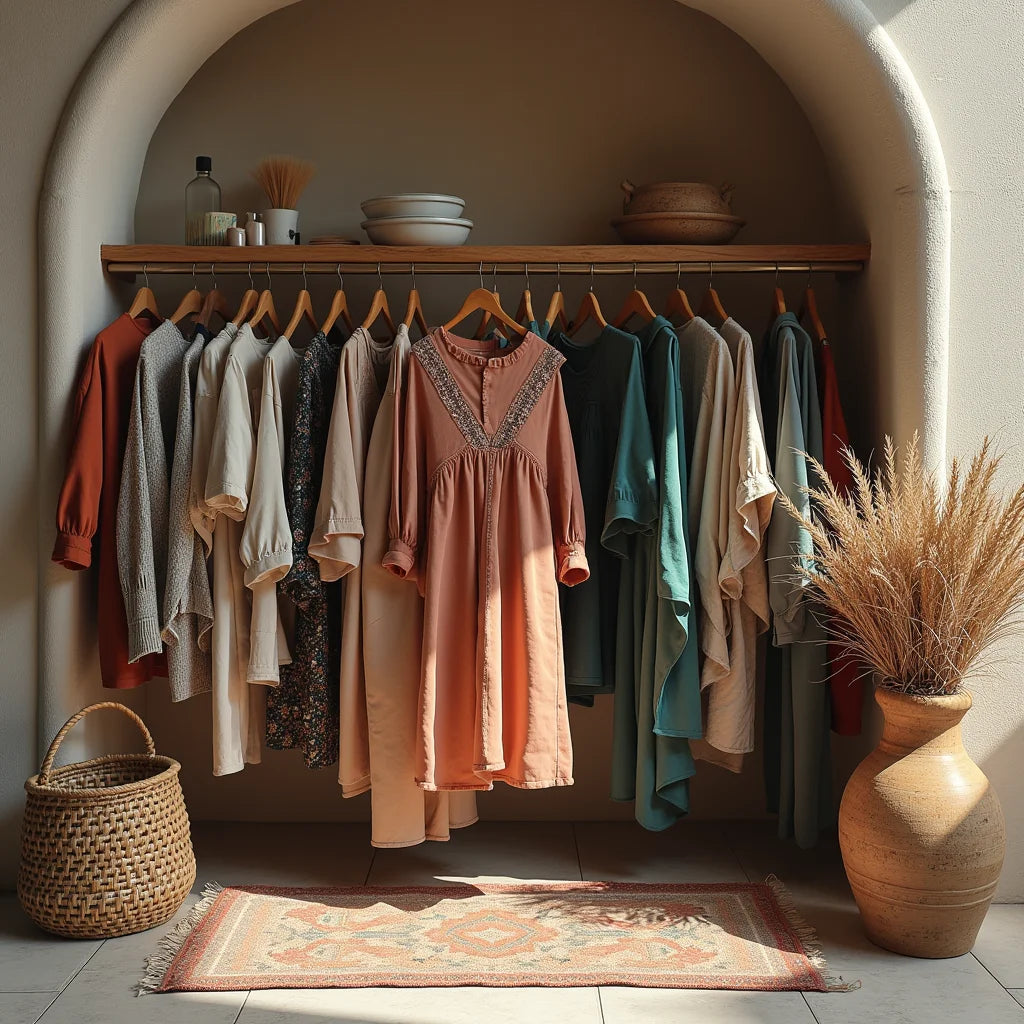
Carefully curated modest wardrobe with neutral tones and versatile silhouettes.
Expert Tips for Conscious Shopping
- Prioritize durability and timeless design over fleeting trends. Pieces you wear for many years have lower environmental impact per wear than trendy items discarded after one season.
- Buy less frequently but choose higher quality. One well-made garment that lasts five years surpasses five inexpensive items that deteriorate within months.
- Learn to care for delicate fabrics properly. Gentle washing and appropriate storage extend garment lifespan significantly, maximizing the value of your investment.
- Explore second-hand modest wear options through resale platforms and consignment shops. Pre-owned pieces require zero new production resources while often offering unique finds.
- Request transparency from brands about their supply chains, manufacturing partners, and labor practices. Legitimate sustainable companies welcome these questions.
- Consider the total environmental cost of shipping. Consolidate orders when possible to reduce transportation emissions.
- Look for heritage-inspired chiffon collections that honor cultural traditions while maintaining modern sustainability standards.
- Join modest wear communities online to share recommendations, swap clothing, or access group purchasing opportunities that reduce individual environmental footprints.
- Understand greenwashing tactics such as vague sustainability claims without supporting certifications or evidence. Demand specific information about what makes a product sustainable.
- Calculate cost per wear to evaluate true value. A more expensive sustainable piece worn frequently provides better value than cheaper items that remain unworn.
Frequently Asked Questions
What distinguishes sustainable modest wear from regular modest wear?
Sustainable modest wear intentionally addresses environmental and ethical concerns throughout the entire production process. Regular modest wear may prioritize coverage and style without considering ecological impact or labor conditions. Sustainable options explicitly source materials responsibly, minimize waste, ensure fair wages, and communicate transparency about their supply chains. The key difference lies in conscious decision-making at every stage of production.
How can I identify greenwashing in modest fashion brands?
Greenwashing occurs when companies make vague sustainability claims without substantiation. Watch for brands that use terms like "eco-friendly" without specific certifications, avoid discussing their supply chains, or rely on misleading marketing imagery. Genuine sustainable brands provide detailed information about material sourcing, manufacturing locations, labor practices, and environmental metrics. They welcome inquiries and provide verifiable third-party certifications.
Is sustainable modest wear more expensive than conventional options?
Sustainable pieces typically cost more initially because ethical labor practices and quality materials increase production expenses. However, the cost per wear often favors sustainable options because these garments last longer, remain stylish across seasons, and resist deterioration. Viewing purchases through a long-term lens reveals that sustainable modest wear frequently provides superior value despite higher upfront prices.
What should I look for in fabric certifications?
Recognized certifications include GOTS for organic fiber production, Fair Trade for labor practices, and OEKO-TEX for chemical safety. Research what each certification verifies and whether it addresses your specific priorities. Legitimate brands proudly display these credentials with detailed information about what they guarantee. Be cautious of proprietary or unrecognized certifications created by individual companies without independent verification.
Wrap-up and Final Thoughts
Building a sustainable modest wear wardrobe represents a meaningful commitment to personal values and environmental stewardship. This approach requires thoughtful consideration, patience, and willingness to prioritize quality and transparency. The journey toward conscious consumption need not feel restrictive or overwhelming.
Start with small, intentional steps. Replace worn pieces with sustainable alternatives. Research brands that align with your values. Invest gradually in quality foundational items that you genuinely love. Every purchase represents a choice to support ethical production and environmental responsibility. Over time, these individual decisions accumulate into a complete wardrobe that reflects your deepest values while providing comfort, dignity, and style.
The modest fashion movement continues evolving, with increasing numbers of brands recognizing that consumers seek both coverage and conscience. Your choices as a conscious consumer contribute to this positive industry transformation. Celebrate your progress, remain flexible as you learn, and remember that perfection is unnecessary. Consistent effort toward better choices, made with genuine intention, creates meaningful impact.
About the Author
Sulieman Alhazma is a fashion sustainability consultant and content strategist specializing in modest wear markets. With over a decade of experience examining ethical fashion practices and cultural clothing traditions, Sulieman helps brands and consumers navigate the intersection of style, modesty, and environmental responsibility. His work emphasizes transparency, inclusivity, and practical solutions for building sustainable wardrobes. When not writing about fashion ethics, Sulieman enjoys exploring traditional textile techniques and supporting artisan communities worldwide.