

Updated on: 2026-05-04
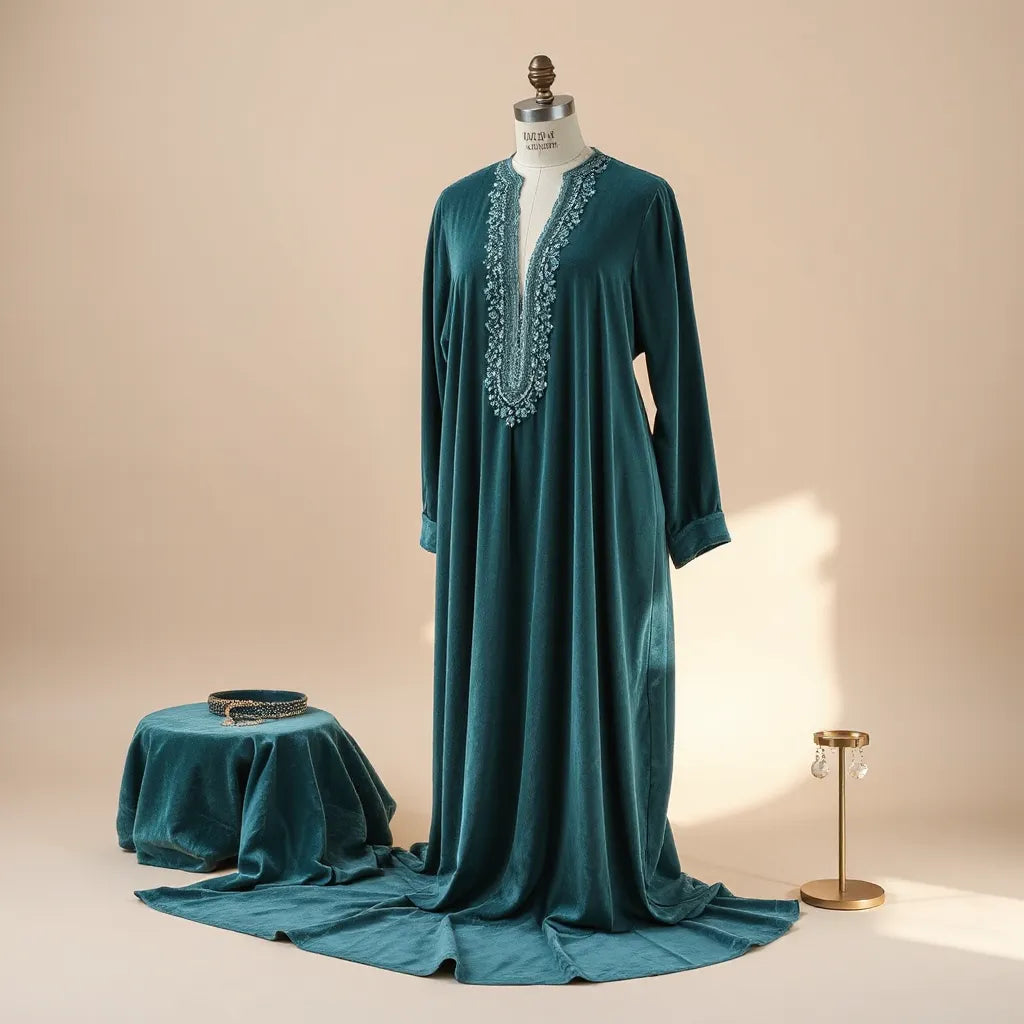
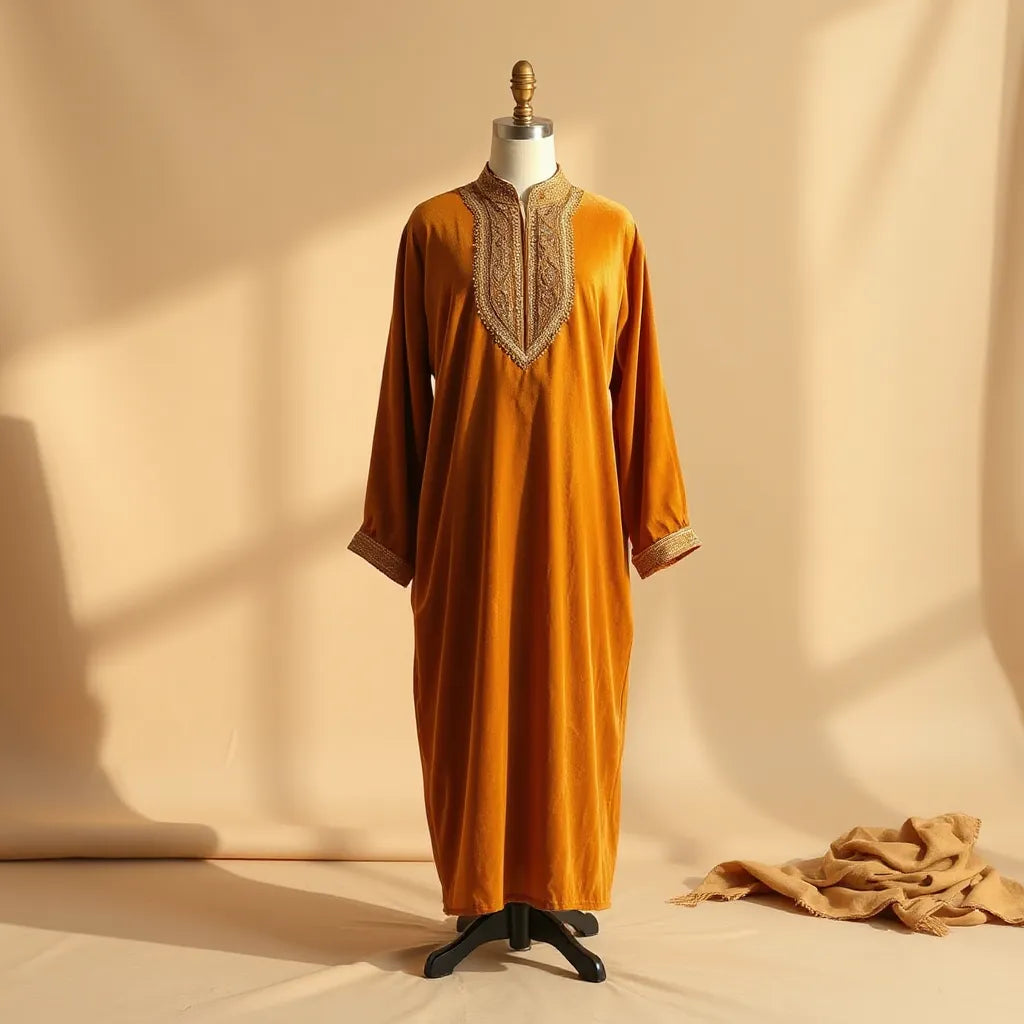
Traditional embroidered kaftans bring heritage style into everyday dressing with refined craft and elegant drape.
They balance comfort, modest coverage, and visual richness through detailed hand-style embroidery.
A thoughtful fit, the right fabric weight, and durable finishing details determine how well a kaftan performs across seasons.
With the right care routine, embroidered garments retain color, shape, and texture for years.
Table of Contents
Buyer’s Checklist for Traditional Embroidered Kaftans
Choosing traditional embroidered kaftans is not only about visual appeal. A kaftan is a complete garment system: fabric behavior, embroidery placement, finishing quality, and how the cut moves on the body. Start by deciding how you will wear it, because daily styling needs differ from event wear.
- Check the embroidery type and density: Dense embroidery can look richer, but it also increases weight. Look for even spacing and clean edges.
- Confirm fabric suitability: Consider how the fabric feels in real wear. Choose a fabric weight that matches your climate and indoor air conditions.
- Evaluate drape and structure: A well-cut kaftan should fall smoothly from the shoulder and maintain shape without stiffness.
- Assess neckline and sleeve finish: Secure finishing prevents distortion after repeated wear.
- Inspect seams and lining options: Interior seams should be tidy, and hems should lie flat.
- Look for colorfast finishing: Choose shades that maintain clarity and avoid excessive fading risk.
- Verify sizing strategy: Kaftans often fit with relaxed ease. Measure your preferred comfort and compare to the garment’s stated fit notes.
- Plan for styling partners: Embroidered pieces pair better with solid inner layers and coordinated headwear.
If you are new to embroidered kaftans, focus on quality indicators rather than trends. An enduring kaftan should feel balanced: the embroidery should enhance the garment, not disrupt comfort or movement.

Drafting flow lines to visualize drape control
Step-by-Step Guide to Selecting and Styling Traditional Embroidered Kaftans
This section offers a practical path from selection to styling. Each step improves your likelihood of choosing a kaftan that looks elegant and wears well.
- Define your use case: Identify whether you need daily modest wear, a celebratory look, or travel-friendly styling. Your use case guides fabric choice and embroidery intensity.
- Choose your silhouette: Look for a kaftan cut that supports your comfort preferences. Relaxed shoulders and a gentle opening at the neckline often improve everyday ease.
- Match scale and placement: The embroidery should have purposeful placement. Balanced distribution near the bodice and sleeve areas creates harmony without visual clutter.
- Select complementary inner layers: Many buyers prefer solid inner layers to let embroidery stand out. For example, lightweight underlayers help reduce bulk and keep the silhouette smooth.
- Coordinate headwear with embroidery colors: Choose a headpiece that respects the kaftan palette. Neutral tones often work best when embroidery is highly detailed.
- Test mobility before purchase: Move your arms and check that sleeve finishing does not pull at the seams. Comfort during movement is a key indicator of quality.
- Plan for care: Embroidered garments need gentle routines. Select care methods that protect thread integrity and fabric color.
For a complete modest styling approach, consider pairing your kaftan with a suitable inner hijab or bonnet. On Palestinian Elegance, curated modestwear options support cohesive looks.
Style direction that highlights Tatreez-inspired character
Traditional embroidered kaftans are valued for their craftsmanship. Tatreez (hand-style embroidery traditions) often features repeating motifs, layered textures, and intentional symmetry. To let this artistry speak, keep accessories simple and prioritize fabric harmony. A kaftan with clear motif work typically benefits from understated jewelry and a calm color foundation.
Where modern convenience meets heritage design
Contemporary modest styling also considers usability. Buyers often look for garments that layer easily, feel secure, and remain flattering through long wear. When embroidery is well integrated, it elevates the garment while the base cut remains wearable.

Color wheel mapping for embroidery and headwear harmony
A natural pairing example from the collection
If you want an embroidered kaftan experience with an eye for elegant lines, consider exploring the following product for inspiration in design and finishing approach.
Product: Kamta

For reference, you can view the product here: Kamta.
When styling a kaftan like Kamta, focus on balance: if the embroidery is detailed, choose a simpler outer layer arrangement and ensure the inner layer supports a smooth neckline. You may also pair the look with structured yet comfortable accessories to keep the silhouette refined.
Some buyers also prefer seasonal versatility. For instance, layering a kaftan over an inner garment can extend wear across cooler evenings. The goal is not added bulk, but controlled layering that preserves drape.
Practical tips for care and longevity
Embroidery is made of threads that respond to handling. To protect the work, prioritize gentle cleaning and thoughtful drying. Avoid harsh agitation, excessive heat, and abrasive friction where embroidery meets skin or accessories.
- Wash with care: Use a gentle cycle if washing is permitted, or opt for professional cleaning when appropriate.
- Dry correctly: Air dry and avoid high heat that may impact thread integrity.
- Store properly: Keep garments away from direct sunlight and use breathable storage to reduce moisture-related damage.
- Remove wrinkles safely: Use low heat and test on a hidden area when ironing is necessary.
Quality is not only about purchase day. A disciplined care routine protects the details that make traditional embroidered kaftans memorable. This is especially important when motifs have layered texture or when the garment includes decorative edging.
For shoppers who also explore coordinated modestwear styling tools, you may find additional inspiration through Padelstore24. This reference is provided only to broaden styling discovery; it does not influence garment selection or care guidance.
FAQ About Traditional Embroidered Kaftans
How do I choose the right size for traditional embroidered kaftans?
Start with your preferred ease. Kaftans are commonly relaxed, so you may size for comfort rather than body-hugging fit. Measure your bust, shoulder width, and desired length, then compare those numbers to the brand’s fit guidance. If you plan to layer, allow extra room at the chest and sleeves.
Do traditional embroidered kaftans work for everyday wear, or only for special occasions?
They can work for daily wear when the embroidery design is balanced and the base fabric is comfortable. Choose a kaftan with embroidery placement that feels proportionate, and pair it with simple inner layers and understated accessories. Everyday use benefits from breathable fabric behavior and secure sleeve finishing.
What is the best way to care for embroidered threads and preserve color?
Use gentle cleaning methods and avoid harsh heat. Air dry and store the garment away from direct sunlight. If you are unsure about fabric composition or embroidery sensitivity, choose professional cleaning. These steps help protect thread structure and maintain color clarity over time.
How should I match headwear with an embroidered kaftan?
Select headwear that complements the embroidery palette. Solid tones often create a clean frame for the motifs. If the kaftan includes multiple colors, consider a neutral headwear shade that supports the most dominant embroidery thread color.
Closing Thoughts & CTA
Traditional embroidered kaftans offer a refined way to wear heritage-inspired artistry with modern comfort. By using the buyer’s checklist, following a step-by-step selection process, and applying careful maintenance, you can choose a kaftan that looks exceptional and performs reliably.
If you want to build a coordinated modest wardrobe, begin with one high-quality embroidered piece and pair it with supportive inner layers and complementary headwear. Visit Palestinian Elegance to explore artisanal modestwear options designed to preserve cultural craftsmanship.
About the Author Section
Sulieman Alhazma is a fashion and textile specialist focused on heritage craftsmanship and modestwear design. With expertise in artisanal embroidery aesthetics, garment construction, and styling systems, Sulieman supports buyers in choosing pieces that combine beauty and everyday wearability. The author’s approach emphasizes cultural preservation and practical wardrobe planning. For guidance that respects both craft and comfort, Sulieman offers friendly, clear direction.
Disclaimer: This article provides general guidance for choosing and caring for embroidered garments. Always follow the care instructions provided by the specific garment label and product page, as fabric composition and embroidery methods may vary.
The content in this blog post is intended for general information purposes only. It should not be considered as professional, medical, or legal advice. For specific guidance related to your situation, please consult a qualified professional. The store does not assume responsibility for any decisions made based on this information.