

Updated on: 2026-05-21
Traditional Palestinian Embroidered Thobe carries cultural identity through careful hand-stitched motifs and durable construction. This guide explains how to recognize authentic craftsmanship, choose the right fit, and care for embroidery so it remains vibrant over time. You will also learn how to style a thobe for everyday wear, formal gatherings, and seasonal transitions. Finally, you will find practical buying and maintenance tips, plus clear answers to common questions.
Introduction
A Traditional Palestinian Embroidered Thobe is more than modest clothing. It is a wearable record of pattern knowledge, regional aesthetics, and artisan skill. The thobe often features hand-embroidery techniques that create texture, depth, and visual rhythm across the garment. When chosen and cared for properly, this kind of thobe can become a long-term piece in your wardrobe, appreciated for both appearance and meaning.
Modern shoppers increasingly look for garments that feel intentional rather than disposable. A well-made thobe answers that need. It can support daily movement while keeping a composed silhouette. It can also serve as a centerpiece for celebrations, family events, or heritage-inspired styling. In the sections below, you will find a practical method for evaluating quality, selecting a suitable fit, and maintaining embroidery with confidence.
Step-by-Step Guide
This step-by-step framework helps you choose and care for a Traditional Palestinian Embroidered Thobe, while protecting the details that make it special.
1) Start with the purpose of your thobe
Before you compare options, define how you will wear the garment most often. For daily use, prioritize comfortable drape, breathable fabric, and a practical neckline. For formal occasions, prioritize balanced ornament placement, clean finishing, and a consistent motif style across panels. When your use case is clear, you can narrow decisions without compromising craftsmanship.
2) Evaluate the embroidery quality
Embroidery should look consistent and intentional. Look for even stitch spacing, secure thread tension, and motifs that align neatly where fabric panels meet. Well-finished embroidery typically shows clear outlines and stable texture, without loose threads or irregular gaps.
At Palestinian Elegance, the focus is on high-quality Tatreez and modest wear that respects artisan methods. When embroidery is executed with care, it holds its visual structure across repeated use.

Close-up stitches, neat pattern lines, secure thread tension
3) Check fabric and construction details
Construction determines comfort and longevity. Inspect the garment’s seams, hems, and any lining or reinforcement. A durable thobe usually has stable stitching at high-stress areas such as sleeve openings and side seams. Fabric choice also affects how embroidery sits on the surface; a compatible fabric helps motifs look crisp instead of stretched or blurred.
If you want a layered, modest look, consider pairing the thobe with coordinated modest accessories. Many shoppers select a matching head covering and inner layer to support comfort and visual harmony.
4) Choose the right fit for posture and movement
Fit is not only about size. It also concerns how the garment supports posture and movement. Ensure the sleeves allow comfortable arm motion. Confirm the length works with your preferred shoe height and your comfort needs. When the thobe drapes well, the embroidery remains visually balanced and does not pull at stress points.
For a secure and polished appearance, many wearers benefit from an underlayer that smooths the silhouette. If you are building a full modest outfit, you may also consider an inner hijab solution that complements the thobe’s neckline and overall proportions. For example, you can explore options such as an underscarf bonnet or a cotton inner hijab designed for everyday comfort: cotton inner hijab.
5) Select complementary colors and patterns
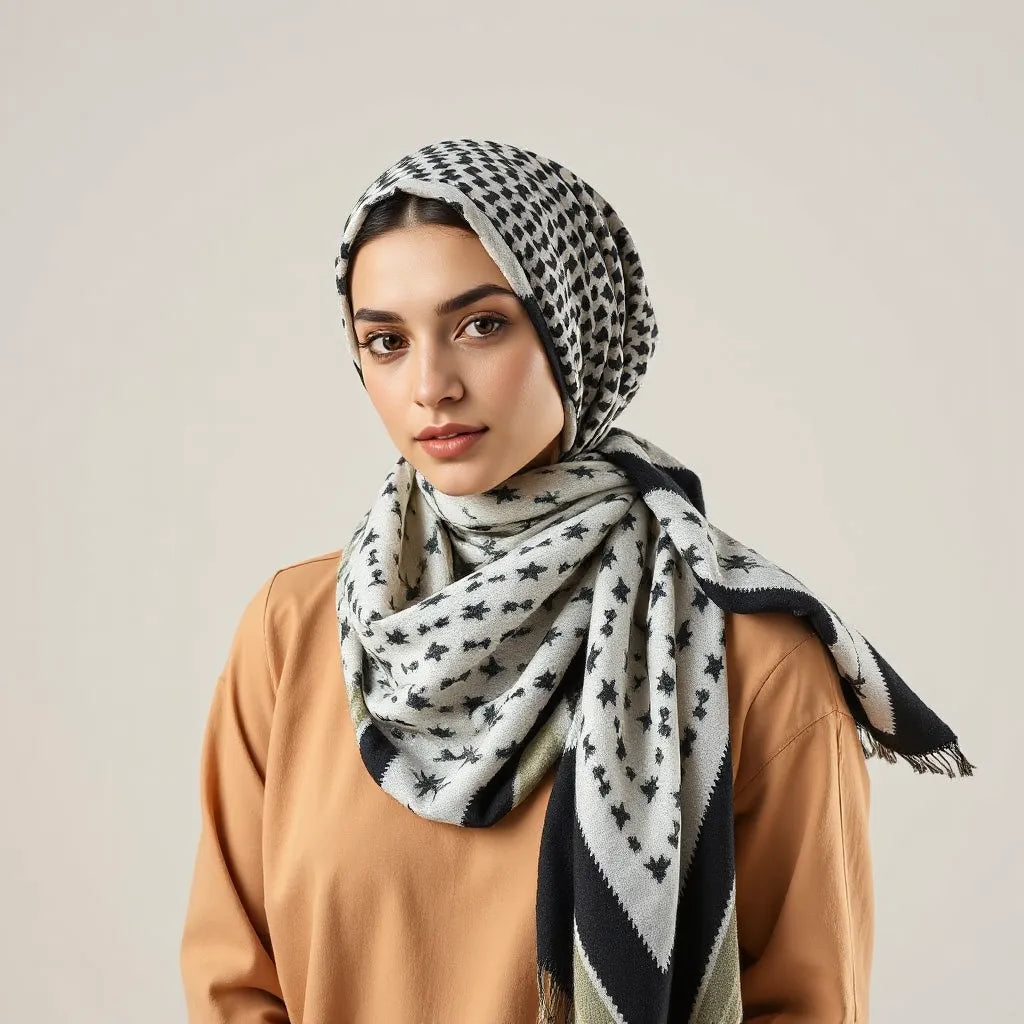
While a thobe can be styled in many ways, embroidery often performs best when the surrounding palette stays calm. Choose accessories that respect the thobe’s primary tones. If your thobe features bold motif contrast, a neutral head covering can help the embroidery remain the visual focus. If the thobe is lighter and more delicate, a softly coordinated shade can enhance continuity.
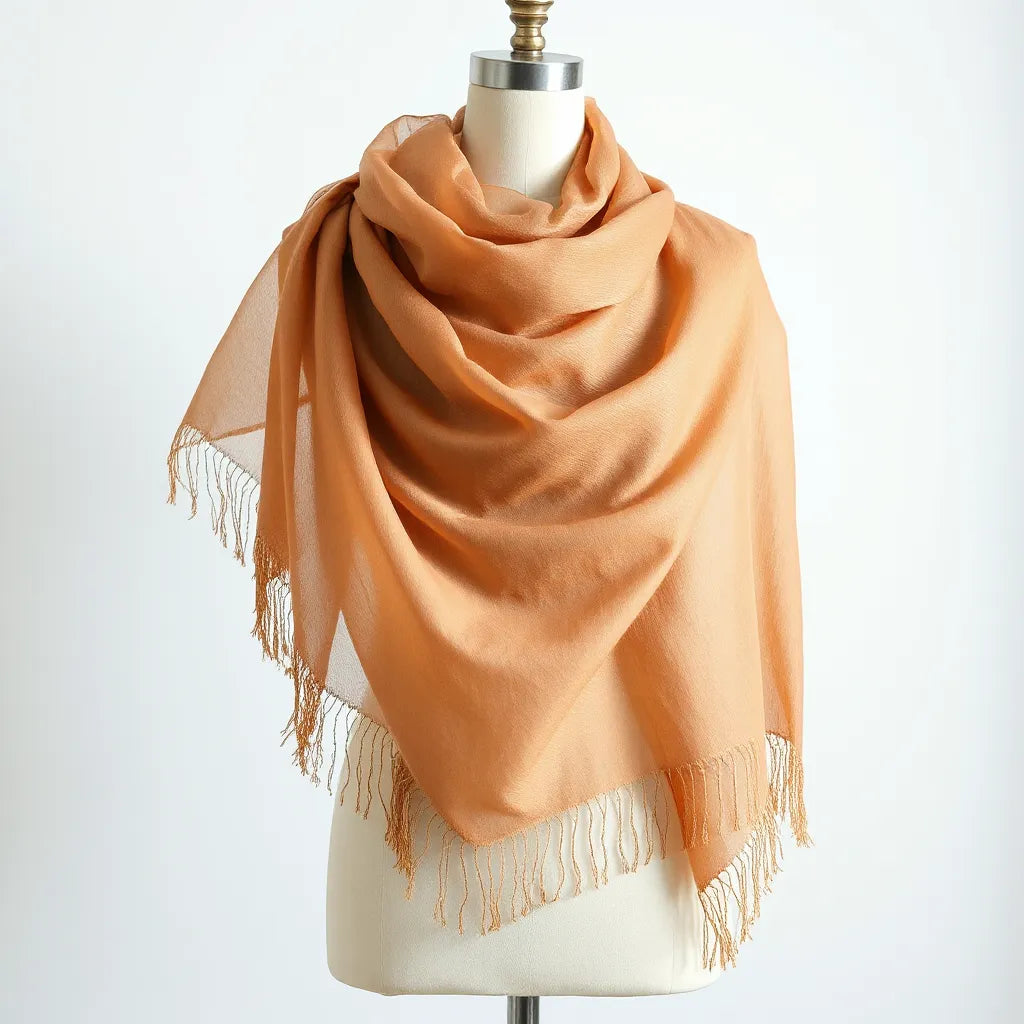
For those who want a complete heritage-inspired ensemble, headwear selection matters. You can browse modest hijab options that align with embroidery styling, such as soft chiffon hijabs for a lightweight drape or soft-flow chiffon for smoother movement.
6) Plan your care routine before the first wear
Embroidery is most reliable when handled gently. Plan your care routine before wearing. If the garment requires hand washing or delicate machine washing, follow the recommended method carefully. Use mild detergents that do not aggressively break down fibers. Avoid high heat drying. When you press or iron, protect embroidered areas with a barrier cloth so the threadwork stays crisp.
A care routine protects thread color and stitch structure. It also reduces fuzzing and prevents snagging that can happen when rough surfaces come into contact with raised embroidery.

Gentle garment care: barrier cloth, soft drying, organized storage
7) Store and transport it to reduce wear
Storage habits affect embroidery longevity. Keep the thobe in a clean, dry place away from direct sunlight. Use breathable garment storage so moisture does not accumulate. When folding, consider placing tissue paper between embroidered sections to reduce friction. For transport, use a garment bag and avoid heavy compression over the embroidery.
8) Wear the thobe intentionally to protect details
Embroidery can be durable, but it still benefits from mindful wear. Be cautious with jewelry that may catch on thread loops. Avoid rubbing against rough bag hardware. If you are carrying a handbag, consider using a softer lining or positioning it so contact with the embroidered panel is minimal.
A well-fitted and well-cared Traditional Palestinian Embroidered Thobe can remain a trusted garment for years, often becoming part of family celebrations and everyday moments.
Tips
- Prioritize even embroidery coverage and clean edges where motifs meet panel seams.
- Choose breathable, stable fabrics that support embroidery without stretching or warping.
- Test movement by raising your arms slightly to confirm comfortable sleeve range.
- Keep the accessory palette calm so the thobe’s motifs stay visually prominent.
- Use gentle washing and low-heat drying to preserve thread color and texture.
- Store with care to reduce friction and prevent embroidery from snagging.
- If you are styling for an event, press after washing using protective cloth over embroidery.
- For seasonal versatility, pair the thobe with light layering pieces and coordinated headwear.
FAQs
How can I tell whether a Traditional Palestinian Embroidered Thobe has high-quality embroidery?
Look for consistent stitch spacing, secure thread tension, and motifs that align neatly across panels. High-quality embroidery usually shows clear outlines and stable texture without loose threads or uneven tension. Also check that finishing details near hems and seams are tidy and durable.
What is the safest way to wash an embroidered thobe?
Use a gentle method recommended for the garment. In general, mild detergent and cool or lukewarm water help protect thread fibers. Avoid harsh scrubbing on embroidered areas. Use low heat or air drying, and allow the fabric to dry fully before storage to reduce moisture-related damage.
What headwear pairs best with a thobe while keeping the look balanced?
Choose headwear that complements the thobe’s dominant colors and does not compete with embroidery. Many wearers prefer lightweight chiffon styles for smooth drape and a refined silhouette. You can also select inner layers that improve comfort and reduce shifting, such as a cotton inner hijab or a bonnet-style underlayer.
How should I style the thobe for everyday wear versus formal events?
For everyday wear, focus on comfort: choose softer headwear tones and practical footwear. For formal events, prioritize visual cohesion by matching accessory colors to the thobe’s embroidery palette and ensuring the garment hangs cleanly. A careful fit and neat finishing make the biggest difference in perceived elegance.
Wrap-up & Final Thoughts
A Traditional Palestinian Embroidered Thobe is a meaningful investment in craftsmanship, heritage expression, and long-term wardrobe value. By evaluating embroidery quality, confirming construction and fit, and using a careful care routine, you protect the details that create its distinctive character. When you style it thoughtfully with coordinated modest layers and supportive headwear, the result is both elegant and wearable.
If you want to build a complete outfit, consider pairing your thobe with modest accessories that enhance comfort and drape. Palestinian Elegance is a family-owned boutique bridging traditional Palestinian heritage with modern fashion, specializing in high-quality Tatreez, modest wear, and artisan-made Kuffiyehs. Choose pieces that respect craft, and your thobe will remain a reliable part of your wardrobe for years.
Call to action: Explore complementary modest wear options from Palestinian Elegance, including a premium chiffon hijab or an underscarf bonnet, to complete your Traditional Palestinian Embroidered Thobe styling with confidence.
Disclaimer: This article provides general guidance for selecting and caring for embroidered garments. Always follow the care instructions provided with your specific product, and test any cleaning method on a small, inconspicuous area when appropriate.
About the Author
Sulieman Alhazma is a style and craftsmanship specialist focused on modest fashion and textile preservation. With expertise in heritage-inspired design and artisan-informed quality assessment, he helps readers make informed choices that protect embroidery and comfort. His approach emphasizes practical wardrobe decisions grounded in respectful cultural appreciation. He welcomes thoughtful questions and encourages careful selection for long-term value.
The content in this blog post is intended for general information purposes only. It should not be considered as professional, medical, or legal advice. For specific guidance related to your situation, please consult a qualified professional. The store does not assume responsibility for any decisions made based on this information.