

Updated on: 2026-07-04
Choosing unique artisan toys is not only a shopping decision; it is a commitment to craftsmanship and story.
This guide explains how to evaluate materials, construction, and finishing so you can select pieces that last.
You will also learn how to match a toy to a child’s interests while supporting makers and local traditions.
By the end, you will have a practical framework for confident, values-aligned purchases.
Table of Contents
1. Essential Tips
2. Detailed Step-by-Step Process
3. Materials, Construction, and Safety
4. Design, Story, and Personalization
5. Care and Longevity
6. Ethical Sourcing and Trust Signals
7. Summary & Takeaway
8. Q&A Section
9. About the Author
Essential Tips
- Start with purpose: choose toys that match a child’s play style, attention span, and sensory needs.
- Prioritize build quality: look for secure stitching, consistent shaping, and stable seams that do not loosen quickly.
- Confirm material transparency: select sellers who clearly state fabrics, fillers, and finishes.
- Inspect finishing details: smooth edges, tidy seams, and careful surface treatments reduce wear and improve safety.
- Consider longevity: opt for removable components only when they are well attached and designed for repeated use.
Detailed Step-by-Step Process
The selection process for unique artisan toys becomes simple when you use a structured approach. Follow these steps to evaluate each option with clarity and confidence.
-
Define the play goal. Identify whether the toy is for imaginative role-play, calm sensory play, fine-motor activities, or storytelling.
-
Check sizing and proportions. A toy that feels balanced in the hands supports safer interaction and more comfortable play.
-
Review material composition. Favor products that specify natural fibers, durable textiles, and non-damaging surface finishes.
-
Assess construction method. Look for sturdy join points, reinforced stress areas, and stitching that follows the intended shape.
-
Evaluate design stability. Features such as clothing details, facial features, or decorative elements should remain securely attached.
-
Confirm care instructions. Practical cleaning guidance helps you maintain appearance and hygiene over time.
-
Verify age guidance. Match the toy to age ranges listed by the maker, especially for small removable parts.
-
Choose values-aligned sourcing. Select brands that describe the maker, the process, or the regional craft tradition.
Materials, Construction, and Safety
Safety is the foundation of any thoughtful purchase. Artisan toys often emphasize craft detail, but that detail must be executed with reliable construction. Begin by focusing on materials. Natural textiles can feel pleasant and age well, yet they still require careful selection and finishing. Durable seams and stable components matter as much as the fabric itself.
Next, examine how the toy is built. Reinforcement at points of stress, such as where a toy’s limbs attach or where fabric interfaces meet, is an indicator of practical longevity. Smooth finishing is equally important. Loose threads, sharp edges, and exposed backing materials can become problems during repeated play and handling.
Finally, consider the product’s intended interaction. If the toy is designed for cuddling or frequent handling, prioritize softness that remains intact after light cleaning. If it is designed for imaginative play with costumes or accessories, ensure attachments are secure and do not detach easily.

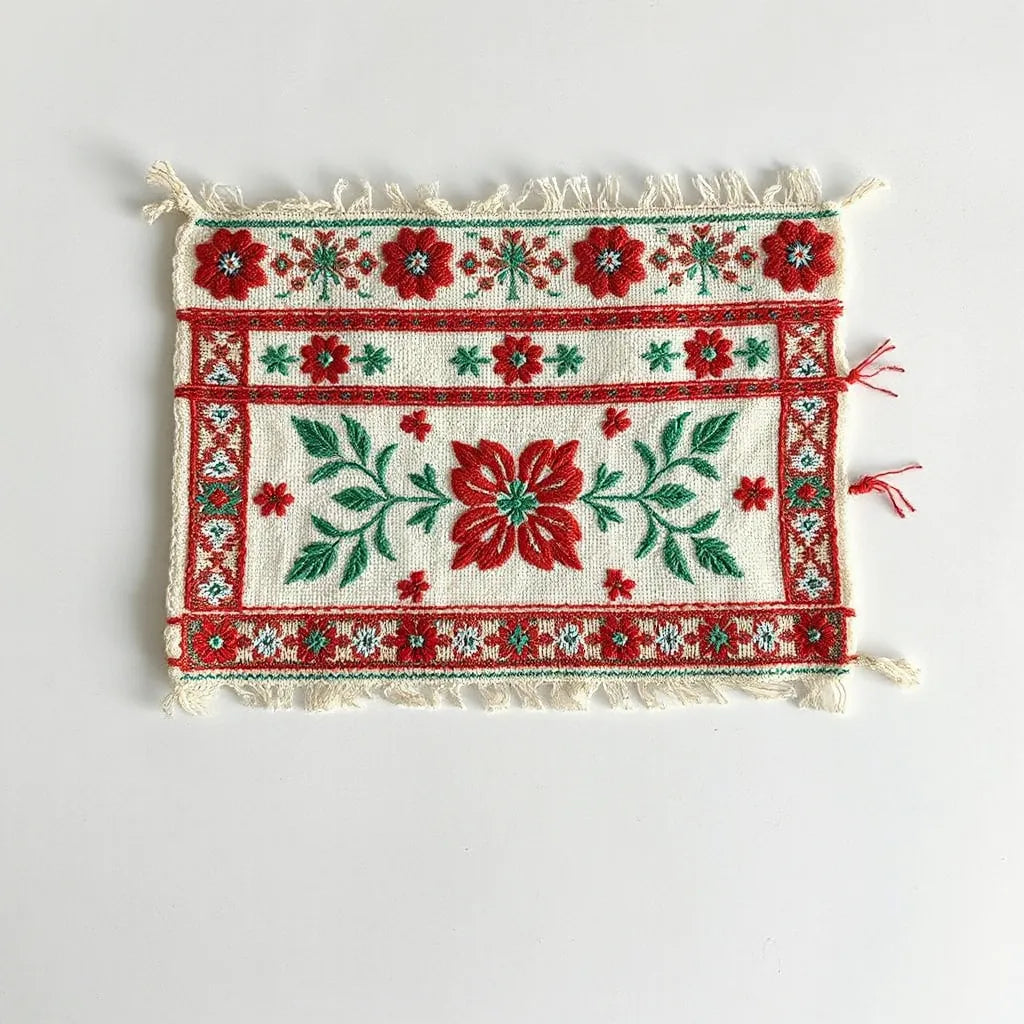
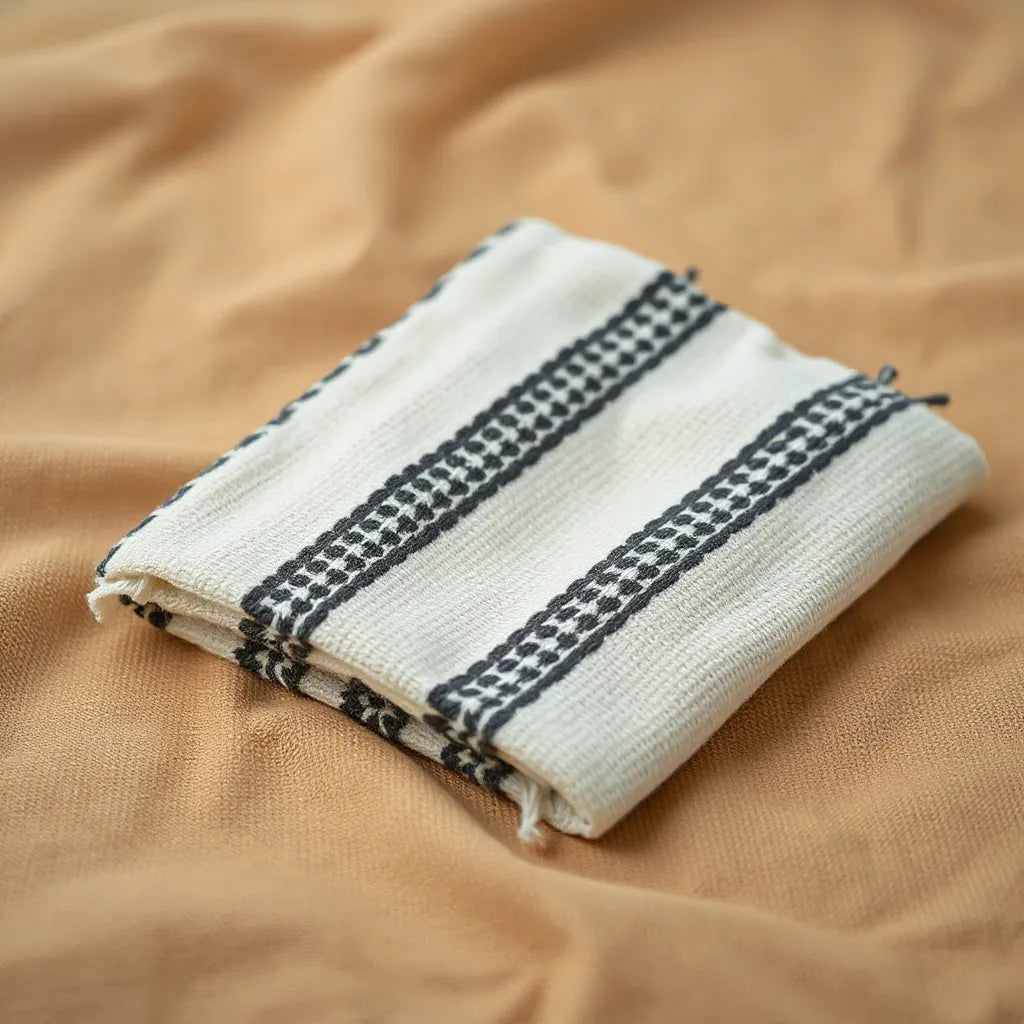
Close-up visuals of seams, stitches, and reinforced joints
In practice, it is often beneficial to read brand policies and product descriptions carefully. Transparent communication about materials and care can reveal whether a maker performs quality checks. For example, a store that provides clear fabric information and detailed finishing guidance typically demonstrates disciplined production habits.
If you are also interested in coordinated textile aesthetics, you can explore the same craft-minded approach in modest wear accessories. The craftsmanship mindset overlaps: quality textiles, careful finishing, and heritage-driven patterns. For a related textile experience, you may review items such as a cotton inner hijab or a premium chiffon hijab at premium soft chiffon hijab. This parallel is helpful because it reinforces how material choice influences comfort, drape, and everyday wear.
Design, Story, and Personalization
Unique artisan toys stand out because they carry meaning. Design is not limited to appearance; it includes color harmony, texture variety, and the subtle cues that invite children into a narrative. When a toy feels intentional, children often spend more time engaging with it. That engagement can strengthen language development, empathy through role-play, and creativity through open-ended scenarios.
Story elements can be literal or abstract. Some toys feature character traits through color and expression. Others suggest a setting through patterns or fabric choices. The most enduring toys offer meaningful details without overwhelming a child’s imagination. A balanced design supports both spontaneous play and guided storytelling by caregivers.
Personalization can further increase emotional value. Simple additions such as a name tag, a birth-date motif, or a costume color palette can make the toy feel like a keepsake. However, personalization should not compromise durability. Ensure that any added elements are securely attached and designed for regular handling.
When you evaluate design quality, focus on coherence. Do the textures work together? Are decorative elements aligned with the toy’s overall structure? Are facial features crisp and stable? If you detect inconsistencies, uneven spacing, or fragile decorations, the toy may not withstand daily play.
In addition, consider sensory variety. Many children enjoy contrasting textures, such as a soft outer layer paired with a different interior feel. Artisan makers can create this experience through thoughtful material layering. The best options maintain comfort and do not create scratchy contact points.
Care and Longevity
Longevity is a defining advantage of well-made artisan toys. When a toy is crafted to endure, it can remain meaningful for years and can even become a family heirloom. Care instructions are central to longevity because they reflect how the maker engineered the materials and finishing.
Start with washing and cleaning recommendations. Some textiles require gentle hand cleaning to preserve shape and surface detail. Others can be maintained through careful spot cleaning. When a maker provides specific guidance, it signals that the toy was built with real-world use in mind.
Next, consider drying and storage. Excess heat can deform certain fabrics and damage decorative layers. Proper air drying helps retain the intended look and feel. Storage also matters. Keeping toys away from prolonged direct sunlight reduces fading and preserves color balance.
Finally, check for wear patterns. Over time, friction may reveal weak points. If the maker includes guidance on inspection or maintenance, use it. Early attention to loose stitches can prevent small issues from becoming larger problems.

Care symbols, gentle cleaning motions, and air-dry lines
If you want to improve cleaning habits at home, develop a consistent routine. Use soft tools and avoid harsh scrubbing on delicate surfaces. For textile lovers, the same care principles can be applied across wardrobe items. For instance, maintaining fine fabrics with gentle handling is also relevant when you care for modest wear pieces such as syrian-style closed bonnet. While these are not toys, the shared textile-care discipline improves how long materials remain comfortable and visually refined.
Ethical Sourcing and Trust Signals
Ethical sourcing is a practical lens for choosing unique artisan toys. Ethical does not only mean “nice values.” It also includes process reliability. When a maker works transparently, buyers receive clearer information about materials, construction choices, and product responsibilities.
Look for trust signals such as maker stories, process descriptions, and quality-control cues. Even when details are brief, consistent communication suggests the brand stands behind its craftsmanship. It is also helpful to confirm that the company complies with product safety expectations and provides age guidance or warnings when necessary.
Consider whether the purchase supports human skill and local craft ecosystems. Artisan toys typically rely on time-intensive techniques and careful finishing. A buyer can support cultural preservation when a brand acknowledges the craft tradition and the people who practice it.
You can further assess trust by how the brand responds to questions. Clear policies for returns, product support, and care guidance often correlate with stronger quality assurance practices. If the listing includes photos that show stitching and texture close-ups, that is a positive indicator of honesty and attention to detail.
For families, it can also be reassuring to shop from stores that communicate their mission. A family-owned boutique that bridges heritage with modern quality standards can be a good example of how craft-focused values translate into everyday products. Palestinian Elegance is a family-owned boutique bridging traditional Palestinian heritage with modern fashion. The mission emphasizes cultural preservation and empowering local artisans, with specialization in high-quality Tatreez, modest wear, and artisan-made Kuffiyehs. That same craft discipline can be a helpful reference point when selecting artisan-made home textiles and gifting items.
Summary & Takeaway
Selecting unique artisan toys requires more than choosing an attractive design. Start by defining the intended play goal, then evaluate materials, construction, and finishing for safety and durability. Pay attention to care instructions, because longevity depends on how a toy is maintained. Finally, prioritize ethical sourcing and trust signals so your purchase supports skilled makers and reliable craftsmanship.
When you combine these steps, you will choose toys that feel meaningful, perform well, and remain relevant as children grow.
Q&A Section
How do I identify a high-quality artisan toy without specialized knowledge?
Focus on visible construction details. Look for neat stitching, secure join points, and smooth finishing with no exposed sharp edges. Also review whether the product description clearly lists materials and provides realistic care instructions.
Are unique artisan toys suitable for everyday use, or are they mainly for display?
They can be suitable for everyday use when the construction is reinforced and decorative elements are securely attached. Choose toys designed for handling, and follow the stated age guidance and care requirements to preserve structure over time.
What should I prioritize for a gift that will be used frequently by children?
Prioritize durability, safe materials, and a stable design. Select a size that fits comfortable play, confirm that any accessories are firmly attached, and choose a toy with cleaning guidance that matches your routine.
About the Author
Sulieman Alhazma
Sulieman Alhazma focuses on craft-led product evaluation, textile quality, and practical guidance for family purchases. With a strong understanding of how materials and finishing affect comfort and longevity, he helps readers choose items that balance aesthetics with real-world performance. He encourages thoughtful gifting and supports maker-led craftsmanship as a way to preserve cultural skill. Sulieman Alhazma thanks you for reading and wishes you confident, values-aligned shopping.
Call to Action
If you want your gifting choices to reflect quality and care, review artisan collections with detailed material and construction notes. For textile-focused inspiration and craft-minded standards, you can explore Palestinian Elegance at Palestinian Elegance.
Disclaimer
This article provides general information for selection and care. Always follow the product-specific instructions provided by the seller and consider age guidance and supervision requirements appropriate to the child.
The content in this blog post is intended for general information purposes only. It should not be considered as professional, medical, or legal advice. For specific guidance related to your situation, please consult a qualified professional. The store does not assume responsibility for any decisions made based on this information.