
Updated on: 2026-07-29
Fashionable modest wear is not only a style choice; it is a strategy for comfort, coverage, and personal expression. In this guide, you will learn how to build an outfit around flattering silhouettes, breathable layers, and elegant finishing details. You will also discover practical styling methods for work, travel, and events without sacrificing ease of movement. Finally, you will find expert Q&A and product-focused ideas to help you select pieces with confidence.
Fashionable Modest Wear: The Foundation
Introduction
Fashionable modest wear connects personal identity with everyday practicality. It offers structure without rigidity, coverage without heaviness, and style that can evolve with your lifestyle. The goal is not to follow a single trend, but to use design principles that keep your look polished, comfortable, and intentional. When modest wear is styled thoughtfully, it becomes easier to repeat outfits you truly like, and it becomes simpler to dress for a wide range of situations.
At Palestinian Elegance, a family-owned boutique bridging Palestinian heritage with modern fashion, we focus on modest wear that supports artisanship. We highlight high-quality hand-embroidery and artisan-made headwear, because details matter. When you select fabrics, cuts, and finishing elements with care, your wardrobe becomes more cohesive and more satisfying to wear.
Did You Know?
- Modest styling often improves comfort by reducing exposure to heat and wind.
- Well-chosen necklines and sleeve lines can make an outfit look more balanced.
- Layering can control temperature without requiring many separate pieces.
- Texture plays a major role in modest wear, especially with hijabs and thobes.
- Simple color coordination can make prints appear more refined and wearable.
Expert Tips
- Start with fit: choose a base garment that sits smoothly at the shoulders and waist.
- Match undertones: keep your hijab or scarf aligned with the warmth or coolness of your outfit.
- Use one focal detail: embroidery, a distinct print, or a structured cut, not all at once.
- Plan for movement: verify that sleeves and hemlines allow comfortable walking.
- Choose breathable layers: especially for necklines, waist regions, and head coverings.
A Personal Approach
When I build a modest outfit, I begin with the feeling I want it to deliver. Some days call for calm and minimal lines, while others invite bold color. I then check three areas: shoulder comfort, fabric behavior in movement, and how the head covering frames the face. Once those are stable, everything else becomes easier—pairing becomes more reliable, and the outfit looks intentional even when it is simple.
Over time, I learned that fashionable modest wear is less about complexity and more about proportion. A good silhouette reduces the need for constant adjustments. A well-matched scarf texture improves the look without adding bulk. These small decisions create a lasting style outcome that holds up through daily routines.
Fashionable Modest Wear: The Foundation
Fashionable modest wear succeeds when coverage, style, and comfort align. A strong foundation starts with silhouettes that flatter your body while respecting your coverage needs. Think in terms of balance: if your top has a fuller sleeve or more volume, your lower garment can be smoother. If your dress is sleek, a scarf with gentle drape can add softness.
Consider selecting a few core categories that work together. A versatile modest dress or thobe can serve as a base. A coordinating hijab adds face framing and visual cohesion. If you want additional flexibility, include an outer layer such as a tailored abaya or a lightweight cardigan-style layer. With these elements, you can create multiple outfits by adjusting color and texture rather than replacing the entire wardrobe.

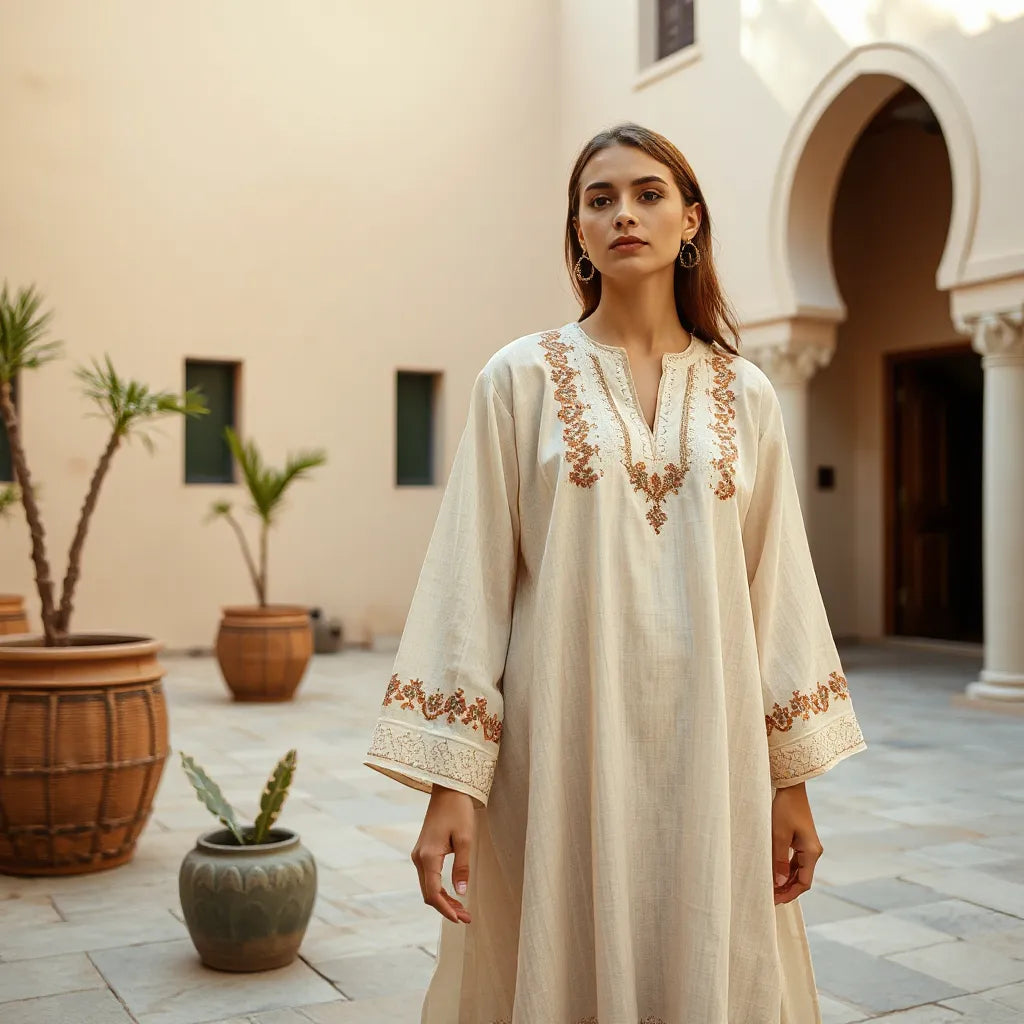
Balanced silhouettes and draped lines for modest styling
Fabric and Fit Considerations
Fabric determines how modest wear looks after hours of movement. For a polished appearance, prioritize fabric that retains shape and resists unwanted cling. When fabrics are breathable and stable, you can style with fewer adjustments throughout the day. For head coverings, the fabric should allow secure pinning or placement while still feeling comfortable against the skin.
Here are practical considerations for selection:
- Breathability: Choose fabrics that feel comfortable in your environment, especially around the neck and underlayer areas.
- Drape and movement: Fabrics with clean drape make outfits look refined rather than stiff.
- Texture control: Textured fabrics add depth, but pair them with calmer solids to maintain balance.
- Stitch stability: When embroidery or detailed finishing is present, ensure the fabric supports the structure without distortion.
Fit also plays a major role. In modest wear, the shoulders define the overall line. If the shoulder area fits correctly, the rest of the garment tends to fall into a more flattering shape. For sleeves, aim for a length that supports your movement and coverage needs while maintaining a neat finish at the cuff area.
As an example of how fabric design can elevate modest fashion, consider a chiffon hijab with a structured weave and a soft finish. This type of fabric often works well for both everyday elegance and event styling, because it drapes smoothly while still holding its presence.
Layering for All Seasons
Layering is one of the most effective methods for staying comfortable while maintaining an elegant appearance. In modest wear, a layered approach can also solve practical challenges, such as temperature changes and outfit stability when you are moving throughout the day.
A dependable layering system can include:
- An inner base layer for comfort at the neckline and chest area.
- A modest outer garment for coverage and silhouette.
- A head covering that coordinates with the outer layer and supports secure placement.
To improve cohesion, align fabrics by behavior rather than by exact weight. For example, a breathable inner layer can pair with a softly structured outer garment, creating comfort without sacrificing a refined look. When you choose a hijab fabric with consistent drape, it becomes easier to style the overall outfit in one controlled direction.
For breathable under-support, you can explore inner headwear options that help maintain comfort and placement. If you prefer a cotton base under your scarf, an underscarf can improve smoothness and reduce friction at the hairline. For example, you can review cotton underscarf comfort to see how thoughtful construction can support a clean, modest finish.

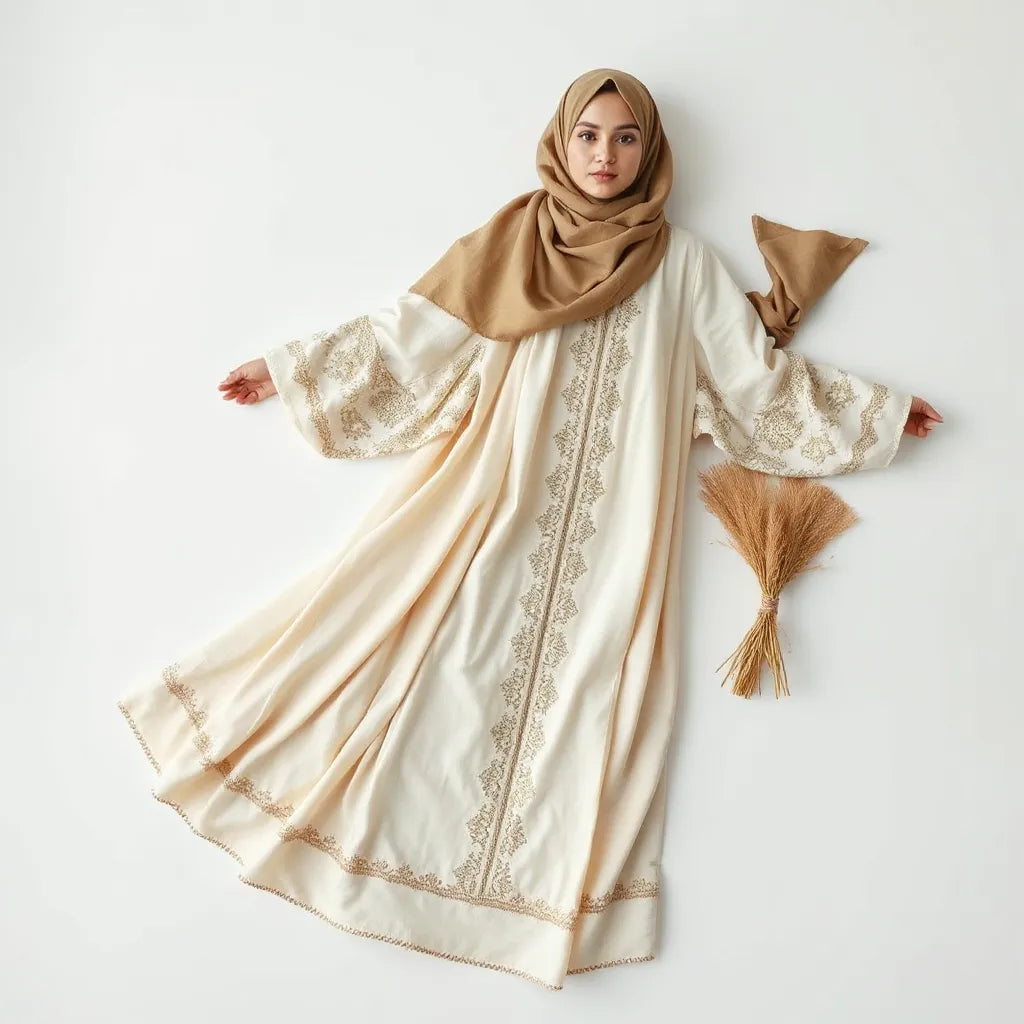
Seasonal layering concept with airflow and gentle drape
Color and Pattern Confidence
Color and pattern selection is where modest wear becomes truly personal. The key is to manage visual intensity. Patterns can look elegant when you keep the rest of the outfit calm. Similarly, bold colors can appear refined when they are repeated in small, intentional ways.
Use these strategies to build confidence:
- Repeat a color: If your hijab has a motif, select a garment shade that shares one undertone from the pattern.
- Balance brightness: Pair a brighter scarf with a neutral or gently textured outfit for a stable look.
- Choose purposeful prints: Motifs that feel structured often read more polished on modest silhouettes.
- Consider lighting: Some colors look richer in daylight, while others shine more in evening settings.
Textile heritage can strengthen pattern decisions. Artisan-informed designs often blend tradition with controlled modern color palettes. When you select a scarf that includes subtle depth, it can add dimension to a simple outfit without overwhelming it.
Botanical-themed prints are an excellent example of how nature-inspired color can be wearable. They frequently combine soft tones with structured visual rhythm, making them compatible with many wardrobe pieces. If you want an option that expresses elegance through pattern, here is a fitting product to consider:
Botanical Heritage – Digital Chiffon Collection,
Botanical Heritage – Digital Chiffon Collection
Accessories and Proportions
Accessories in modest wear should enhance function and visual harmony. You can use small details to complete an outfit without disrupting comfort. A structured bag, a clean belt line, or elegant jewelry can work well when the rest of the silhouette remains steady.
Proportion is the organizing principle. If you wear a voluminous outer garment, choose accessories that look intentional rather than crowded. If your outfit is more streamlined, slightly more expressive accessories can feel balanced. For headwear, consider how the scarf frames the face. Neat folds and consistent drape often create a more refined outcome than overly loose placement.
When selecting hijab styles, it helps to think about how the scarf will sit around the shoulders. Some styles are designed for easy shaping and stable coverage. If you prefer a classic approach with structured shaping, you can compare hijab options such as premium soft chiffon hijabs for a polished drape.
Care and Longevity
Longevity is part of responsible fashion. Modest wear often involves scarves, detailed stitching, and layered garments, which need consistent care to remain elegant. Proper washing and storage maintain fabric integrity and help prevent fading and distortion.
Practical care habits include:
- Gentle washing: Use mild cleaning methods appropriate for delicate fabrics and detailed embroidery.
- Air drying: Whenever possible, allow garments to dry naturally to protect shape and texture.
- Safe storage: Store scarves and garments in clean, dry spaces and avoid heavy compression.
- Ironing with caution: Follow fabric-safe methods to preserve drape and surface finish.
For printed or chiffon-like textures, care should focus on preserving the fabric surface. For garments with embroidery, avoid rough handling during rinsing and drying. When you treat each piece according to its construction, your modest wardrobe stays beautiful for longer and remains comfortable to wear.
Summary & Takeaways
Fashionable modest wear is built through thoughtful structure: fit that supports comfort, fabrics that hold their elegance, and styling choices that maintain balance. You do not need a large wardrobe to create variety. With a few reliable silhouettes, coordinated colors, and consistent layering, you can dress confidently for daily life and special moments. Prioritize breathable comfort, refine your proportions, and care for materials so your pieces remain visually fresh.
- Choose silhouettes with stable shoulder and sleeve lines.
- Match hijab and outfit textures for cohesive drape and visual comfort.
- Use layering to manage temperature without adding bulk.
- Repeat undertones in color decisions to keep patterns wearable.
- Protect your investment with gentle care and safe storage.
If you want to refine your next outfit, browse modest wear categories on Palestinian Elegance and select pieces that align with your preferred silhouette and fabric feel. For example, you can explore an integrated approach through headwear and inner support, starting with cotton inner hijab and then pairing with your chosen outer scarf or dress style.
Q&A Section
How do I choose a hijab fabric that feels comfortable all day?
Select fabric based on how it behaves against the skin and how it holds placement. Prioritize breathable options and consistent drape. If you experience friction at the hairline, a supportive inner layer can improve comfort and keep the scarf in a neat shape. Test the feel around the neck and adjust placement before you finalize your look.
What is the simplest way to style fashionable modest wear for an event?
Keep the silhouette consistent and elevate one element. Choose a refined base garment with clean lines, then add a scarf or outer layer with meaningful texture or a tasteful pattern. Use one focal detail such as embroidery, a structured neckline, or a coordinated color motif. Finish with accessories that match the overall proportion of the outfit.
Can I wear patterns without making my outfit look busy?
Yes. Use pattern placement strategically and reduce competing visuals. Pair a patterned head covering with a solid or gently textured garment. Repeat one undertone from the pattern in your outfit color, even if the shade is subtle. This method creates a cohesive look that remains polished instead of scattered.
How should I approach layering in warm weather?
Choose lightweight inner support and focus on breathable materials. Keep outer layers minimal and use a scarf with drape rather than excessive volume. If you need coverage that still feels light, select pieces designed to sit smoothly at the neckline and shoulders. The goal is stable coverage with airflow rather than heavy stacking.
About the Author
Sulieman Alhazma is a modest wear specialist with expertise in styling, fabric selection, and artisan-informed wardrobe building. Their work focuses on helping customers balance coverage, comfort, and elegance through practical outfit systems. Sulieman Alhazma ’s approach emphasizes proportion, texture coordination, and long-term garment care. They invite you to build a wardrobe that reflects both heritage and modern confidence.
Disclaimer: This article provides general styling guidance for Fashionable Modest Wear and related modest fashion choices. Individual preferences, body fit, and fabric behavior may vary. For best results, follow garment care instructions and consider trying pieces in natural lighting to confirm color and drape.
The content in this blog post is intended for general information purposes only. It should not be considered as professional, medical, or legal advice. For specific guidance related to your situation, please consult a qualified professional. The store does not assume responsibility for any decisions made based on this information.