
Updated on: 2026-08-05
Hand-embroidered thobes express heritage through careful stitching, balanced color, and refined finishing. Unlike mass-produced garments, each piece relies on measured craftsmanship and thoughtful construction. The right thobe can elevate everyday comfort while remaining suitable for formal occasions. This guide explains how to evaluate quality, select the right style, and protect your embroidery so it keeps its character over time.
Table of Contents
Common Mistakes
Buying hand-embroidered thobes can feel simple at first, yet common oversights often lead to disappointing results. The first mistake is focusing only on the visual pattern while ignoring construction quality. Embroidery that looks dense may still sit on a weak base fabric or poorly finished seams.
The second mistake is assuming all stitching is equal. Tatreez and similar embroidery techniques use different thread weights, stitch spacing, and finishing methods. If the garment uses inconsistent tension, the pattern can warp after washing or prolonged wear.
A third mistake is choosing a color scheme without considering lighting and skin undertones. Many embroidery motifs are designed to harmonize with the base textile. Without that match, the embroidery may appear dull, especially in natural daylight.
Finally, many buyers underestimate aftercare. Embroidery is resilient when treated correctly. However, harsh detergents, high heat, and rough drying can reduce luster and loosen decorative threads over time.
Buyer’s Checklist for Hand-Embroidered Thobes
Use this checklist to make a confident purchase. It is designed for both first-time buyers and experienced collectors of modest, artisan-made clothing.
- Motif clarity: Verify that the design lines are even and purposeful. Look for clean edges around borders and recurring shapes.
- Stitch uniformity: Check spacing and tension. Patterns should appear stable and not overly raised in one area.
- Base fabric behavior: Confirm the underlying textile drapes smoothly. The garment should not pull or twist where seams meet.
- Finishing details: Examine necklines, cuffs, and hemlines. Quality finishing reduces strain on embroidery.
- Color fastness: Ensure the base color looks consistent across different areas of the garment.
- Wear suitability: Match the density of embroidery to the occasion. Subtle detailing often works better for frequent wear.
- Seasonal comfort: Choose breathable fabrics for warm weather and comfortable layering options for cooler days.
- Care plan: Confirm that the embroidery can be protected with gentle washing and careful drying.

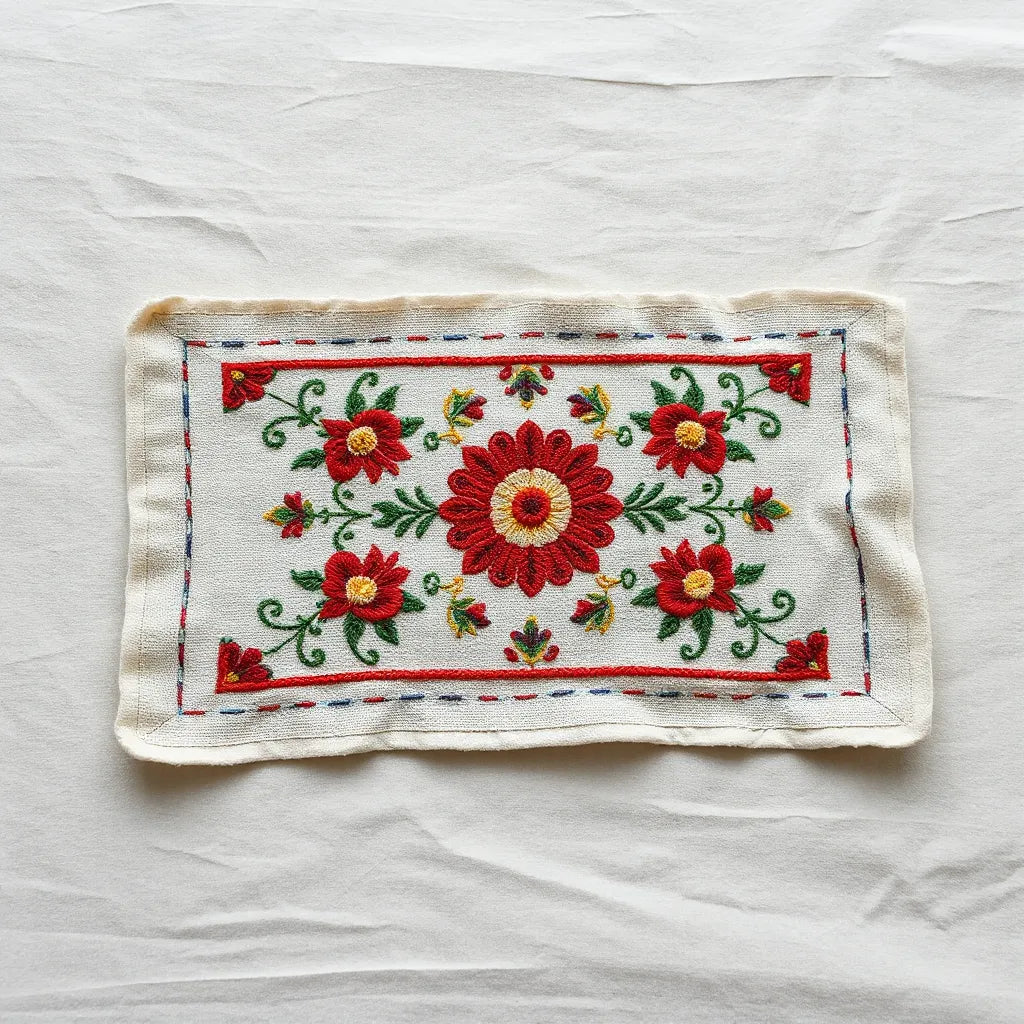
Close-up motifs, neat stitch lines, balanced borders
Fabric and Stitching: What to Check
The character of hand-embroidered thobes comes from the relationship between fabric and thread. A stable embroidery surface allows the motif to sit correctly and reduces stress on the stitches. When buyers evaluate quality, they should inspect both the visual and structural sides of the garment.
1) Choose a supportive base textile
A well-chosen base fabric helps the garment hold its shape. Look for textiles that drape without excessive stiffness. If the base fabric feels overly slick or thin, the embroidery may not anchor securely, and the motif could shift during wear.
Consider how the fabric interacts with movement. A thobe is meant to be worn comfortably across daily activities. Even a beautiful embroidery layout cannot compensate for fabric that wrinkles heavily or catches at the seams.
2) Evaluate thread quality and coverage
Thread quality is not only about shine. It is also about durability and how the stitches respond to repeated motion. Hand stitching often includes layered coverage for key elements such as borders, center panels, and repeated geometric forms. Inconsistent coverage can indicate uneven tension or thread variation.
Look for clear direction in the motif. Each section should appear intentional: borders should frame the design, and interior elements should align with the overall pattern plan.
3) Inspect seam engineering around embroidery
Embroidery often sits near high-stress zones such as cuffs, sleeves, and hemlines. Quality garments minimize strain at these points. Seams should lay flat and should not create pull lines that distort the motif.
When possible, mentally map the stress points. If a decorative area crosses a seam that is likely to stretch, the embroidery may loosen sooner. A careful garmentmaker accounts for movement when placing and securing stitching.
Fit, Care, and Longevity
Hand-embroidered thobes are designed to be lived in, not kept sealed behind glass. To maintain their beauty, focus on fit during wear and gentle handling during care.
Fit that protects the embroidery
The best fit supports movement while reducing friction. When a thobe is too tight at the shoulder or sleeve area, embroidery near the arm can experience frequent rubbing. That friction gradually wears down decorative threads.
When assessing sizing, prioritize comfortable range at the sleeves and ease through the torso. For formal designs with dense embroidery, modest ease helps the motif remain crisp rather than stretched.
Gentle cleaning habits
Embroidery is resilient when cared for appropriately. Use a gentle approach that protects both the base textile and the decorative thread. Wash with mild methods and avoid aggressive agitation.
Air-drying is usually safer than high-heat drying. Heat can reduce thread luster and affect base fabric fibers. If pressing is needed, use controlled heat and place a protective layer between the garment and the iron to reduce direct contact.
Storage that preserves color and shape
Store your thobe in a cool, dry place. Use breathable garment bags rather than airtight packaging to reduce trapped moisture. Before storing, ensure the garment is fully dry to prevent musty odor and long-term fabric degradation.
When storing for extended periods, fold carefully so embroidered sections are not crushed. If you have multiple pieces, separate them with clean fabric layers.
If you also maintain other fabric-based items, you may find broader textile-care principles useful. For example, this guide on DTF processes covers practical maintenance habits: Premium DTF Ink Essentials: Selection, Use, and Care. While it addresses a different craft, the underlying care mindset can support better longevity for crafted textiles.

Folding lines aligned, breathable storage, gentle heat protection
Style Choices for Various Occasions
Hand-embroidered thobes can fit many moments, from daily wear to special celebrations. The most suitable style depends on embroidery density, sleeve shape, and how the overall design balances the body.
Everyday elegance
For frequent wear, choose designs with refined embroidery placement rather than full, heavy coverage. Borders at the neckline, subtle sleeve detailing, and controlled motif repetition create visual impact without excessive stiffness. This approach supports comfort and simplifies care.
Look for balanced color contrast. A measured palette enhances the motif during everyday lighting and reduces visual fatigue over time.
Formal or celebration-ready designs
For ceremonies, you can prioritize bolder motifs and higher embroidery density. Center panels and structured borders often read clearly from a distance. This is especially important in event settings where garments are photographed or viewed under varied lighting.
Consider how the thobe pairs with complementary modest layers. A cohesive color direction helps the embroidery remain the focal point rather than competing with other textures.
Bridal and milestone styling
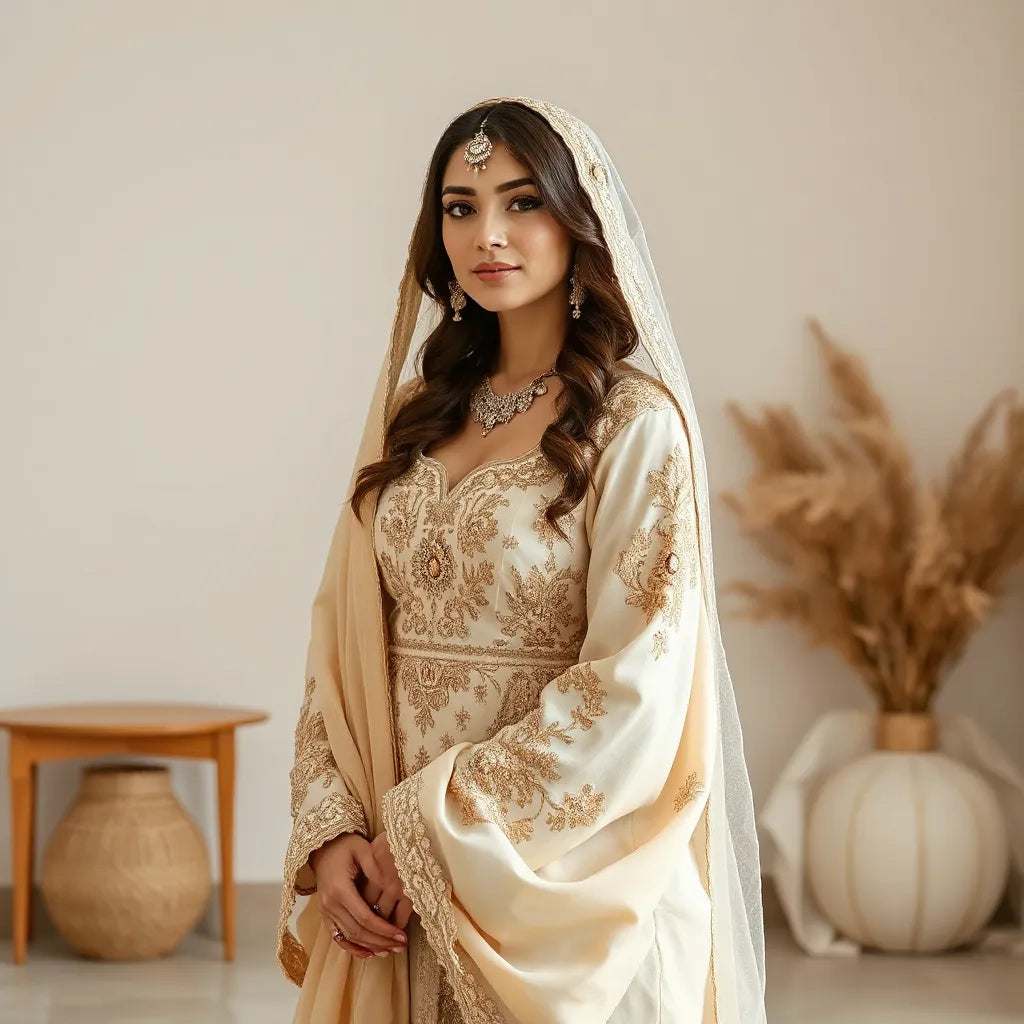
Some buyers choose thobes with elevated detailing for milestones. These selections often benefit from meticulous finishing at the neckline and hem, as well as secure thread anchoring at decorative borders. The goal is a garment that looks composed in motion, without shifting patterns or snag-prone elements.
When styling for milestone photos, pay attention to how the embroidery faces the camera. Even spacing along the front panels creates a natural visual rhythm that photographs well.
To explore related modestwear design thinking and complementary handcrafted textiles, you may also review boutique offerings such as embroidery-forward apparel and modest headwear on Palestinian Elegance. If you are building a complete look, these pieces can help coordinate styling with the same heritage-focused aesthetic: Palestinian Elegance.
FAQ
How do I tell whether a thobe’s embroidery is truly hand-stitched?
Hand-stitched embroidery typically shows consistent stitch direction and a purposeful rhythm across the motif. Look for slight variations in thread placement that still maintain clean pattern edges. You should also see stable finishing around borders and seams, rather than embroidery that appears loosely applied. If the garment feels engineered for daily wear and the stitches remain firmly anchored, that is a strong quality indicator.
What is the best way to care for hand-embroidered thobes?
Use gentle cleaning methods with mild detergent and avoid aggressive scrubbing. Prefer air-drying to high heat. When pressing is necessary, use controlled temperature and a protective cloth between the iron and the embroidery. After storage, check the garment for any trapped moisture before wearing.
Are hand-embroidered thobes suitable for warm weather?
Yes, when the base textile is breathable and the embroidery placement supports comfort. Thobes with lighter base fabrics and embroidery concentrated on borders or select panels often feel more comfortable in warm conditions. For very warm days, prioritize loose ease through sleeves and torso so airflow can support natural comfort.
How should I choose embroidery density for different occasions?
For everyday wear, choose designs with balanced detailing so the garment remains flexible and easy to maintain. For formal occasions, higher embroidery density can create stronger visual impact, especially in structured lighting and photographs. If you expect frequent movement, select a design where embroidery does not sit in high-friction zones.
Wrap-Up & Final Thoughts
Hand-embroidered thobes are more than garments. They are wearable craftsmanship that reflects disciplined technique, careful material selection, and respectful heritage design. When you evaluate fabric support, stitch uniformity, finishing quality, and fit, you reduce the risk of premature wear and maintain the garment’s visual clarity.
Use the checklist to guide your selection, then protect your embroidery with gentle cleaning and mindful storage. If you build your wardrobe around pieces that are designed for longevity, you preserve both aesthetic value and cultural artistry across seasons.
When you are ready to complete a coordinated, modest look, consider browsing related artisan-made items through Palestinian Elegance and selecting styles that share a consistent heritage-forward design philosophy.
About the Author
Sulieman Alhazma is a textile and modestwear specialist focused on craftsmanship-led evaluation of handwork, finishing, and garment longevity. His expertise centers on helping buyers recognize quality in artisan-made clothing and build wardrobes that remain beautiful over time. Thank you for reading, and may your next selection reflect both comfort and heritage.
The content in this blog post is intended for general information purposes only. It should not be considered as professional, medical, or legal advice. For specific guidance related to your situation, please consult a qualified professional. The store does not assume responsibility for any decisions made based on this information.