
Updated on: 2026-08-04
Choosing luxury bridal thobes is not only about appearance. It is also about fit, comfort, fabric behavior, and the way embroidery is finished. A well-selected thobe supports the full day, from preparation to celebration, without distracting seams or unstable drape. When you evaluate craftsmanship, styling options, and care needs, you reduce decision stress and increase confidence. This guide walks you through the most important selection criteria and common pitfalls.
Table of Contents
- Common Mistakes to Avoid
- Pros & Cons Analysis
- Quick Tips
- Selection Checklist for Luxury Bridal Thobes
- Style and Comfort Considerations
- Care and Maintenance for Long-Term Beauty
- Wrap-Up & Key Insights
Common Mistakes to Avoid
Many brides begin shopping with a visual concept but skip technical evaluation. Luxury bridal thobes rely on details that are not always obvious in quick browsing, such as how seams lie, how embroidery is stabilized, and how fabric responds to movement.
Another frequent issue is underestimating fit. A thobe can look elegant on a hanger and still fail during standing, sitting, and walking. If the shoulder line, sleeve opening, or waist shaping is inaccurate, you will feel it throughout the day.
Some buyers prioritize heavy decoration and ignore drape. Thick embellishment placed on rigid fabric can limit flow. As a result, the thobe may photograph well but feel restrictive. Balanced construction is the difference between “beautiful” and “wearable.”
It is also common to overlook how accessories interact with the neckline and sleeves. Veils, headpieces, and inner layers should support the overall silhouette. If the layers fight each other, the final look will not hold consistently.
Finally, many people do not plan for aftercare. Embroidery and dyed fabrics require careful handling. Without a clear care routine, even high-quality pieces can lose color or structure over time.
Pros & Cons Analysis
- Pros: Elevated craftsmanship can create a refined, heirloom-like presentation.
- Pros: Thoughtful tailoring improves comfort during long wear.
- Pros: Embroidery offers distinctive visual texture that stands out in photographs.
- Pros: Coordinated styling can unify your bridal palette without feeling overstated.
- Cons: Higher-quality materials may require more careful cleaning and storage.
- Cons: Custom or detailed pieces often take longer to finalize than basic options.
- Cons: If fit is not assessed, structure and movement can feel off.
Quick Tips
- Measure the body where the garment will actually touch: shoulders, bust, waist, and sleeve opening.
- Ask whether the embroidery is placed on stabilized areas to reduce puckering.
- Check how the fabric moves when you lift your arms and shift your stance.
- Plan your inner layers so the neckline and sleeves look smooth in real wear.
- Choose accessories that support the silhouette, not accessories that compete with it.
Selection Checklist for Luxury Bridal Thobes
To select luxury bridal thobes with confidence, treat the process like a structured evaluation. Begin with the overall silhouette. The best silhouette for you depends on your wedding style, the level of movement you anticipate, and how you want your details to be seen. A fitted upper section can highlight the neckline, while a gently structured skirt can create a graceful, steady drape.
Next, evaluate fabric quality and finish. Look for consistent dye tone, even texture, and smooth lining where the garment touches the body. Bridal wear often includes long hours and frequent adjustments. Fabric that feels pleasant at first touch must also remain comfortable later in the day.
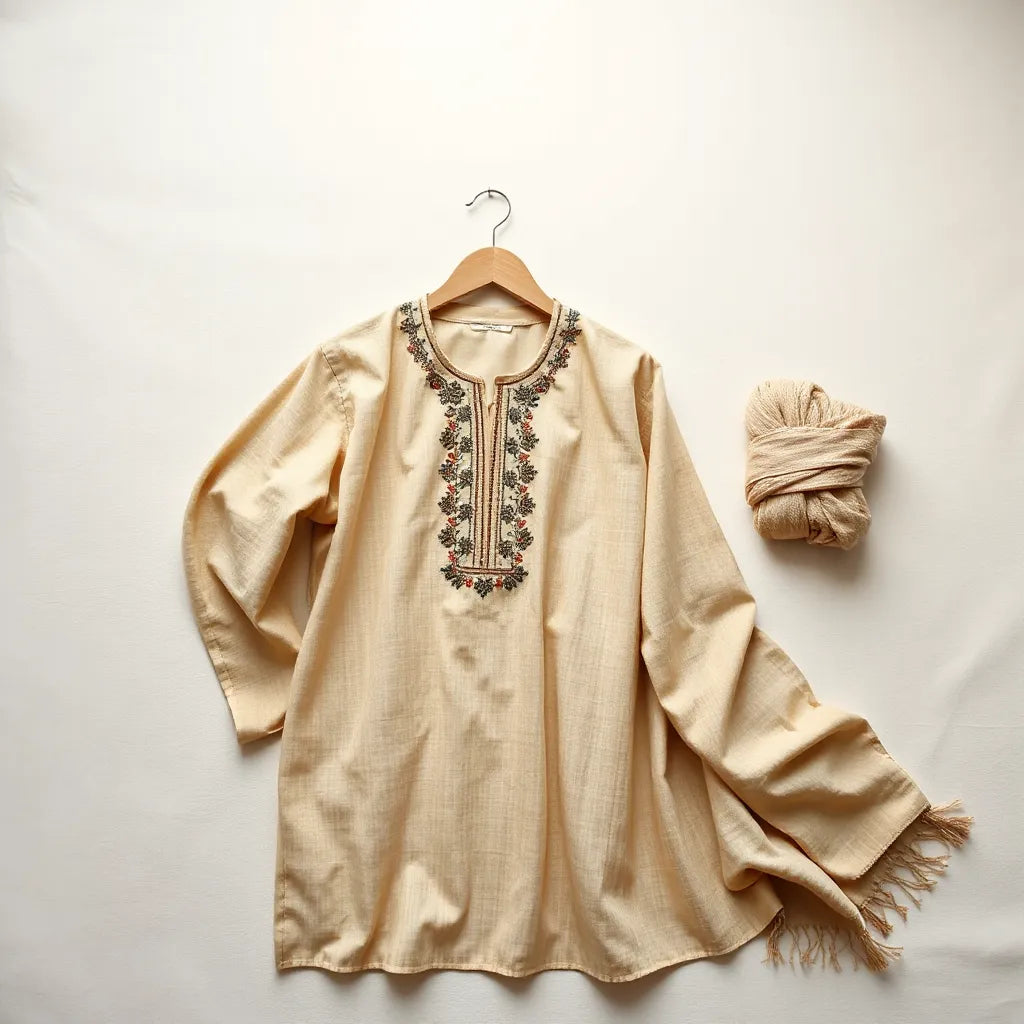
Embroidery deserves a close look. High-end pieces typically show clean thread work, controlled density, and secure finishing at edges. The goal is not only visual impact; it is also durability. Embroidery should not feel rough, and it should not shift when the fabric moves.
Consider construction and seam behavior. Seams should sit flat and stable. If you can see visible tension lines, pulling, or uneven stitching, the garment may not wear well. Even small construction issues can lead to discomfort or early wear.
Finally, confirm compatibility with your bridal plan. If you plan to wear a headpiece, choose a thobe neckline that aligns with your intended headwear. If you plan to wear an inner layer, ensure the neckline remains smooth and the sleeve lines do not conflict.

Close view of balanced stitching and stable drape
Style and Comfort Considerations
Comfort in a bridal thobe is often the result of small, disciplined design choices. Start with shoulder fit. If the shoulder line sits too high or too low, the sleeves can twist and embroidery can appear misaligned. A well-fitted shoulder keeps details centered and reduces constant readjustment.
Sleeve comfort is equally important. The sleeve opening should allow natural arm movement without pulling fabric. For brides who will be photographed frequently, sleeve stability matters. A sleeve that shifts will cause the look to change from moment to moment.
Neckline design must also be considered. A neckline can frame the face, but it should also remain comfortable under a veil or headpiece. If you anticipate layering, confirm that the neckline stays smooth and does not create a gap or unwanted folds.
When selecting a luxurious bridal look, many brides coordinate thobes with modest bridal layers. In some styling plans, an inner piece helps create a clean base under the main fabric. If you prefer a refined foundation, you may explore cotton inner options to support comfort and silhouette. For example, you can review a cotton inner hijab option to evaluate how inner layers feel and sit.
Outer styling should also respect the thobe’s structure. Headwear and face-framing accessories should align with the neckline and embroidery placement. If your thobe includes prominent detail along the upper torso, a simpler headwear plan can keep the overall look balanced. If the thobe is more understated, a carefully chosen headpiece can add dimension without overwhelming the garment.

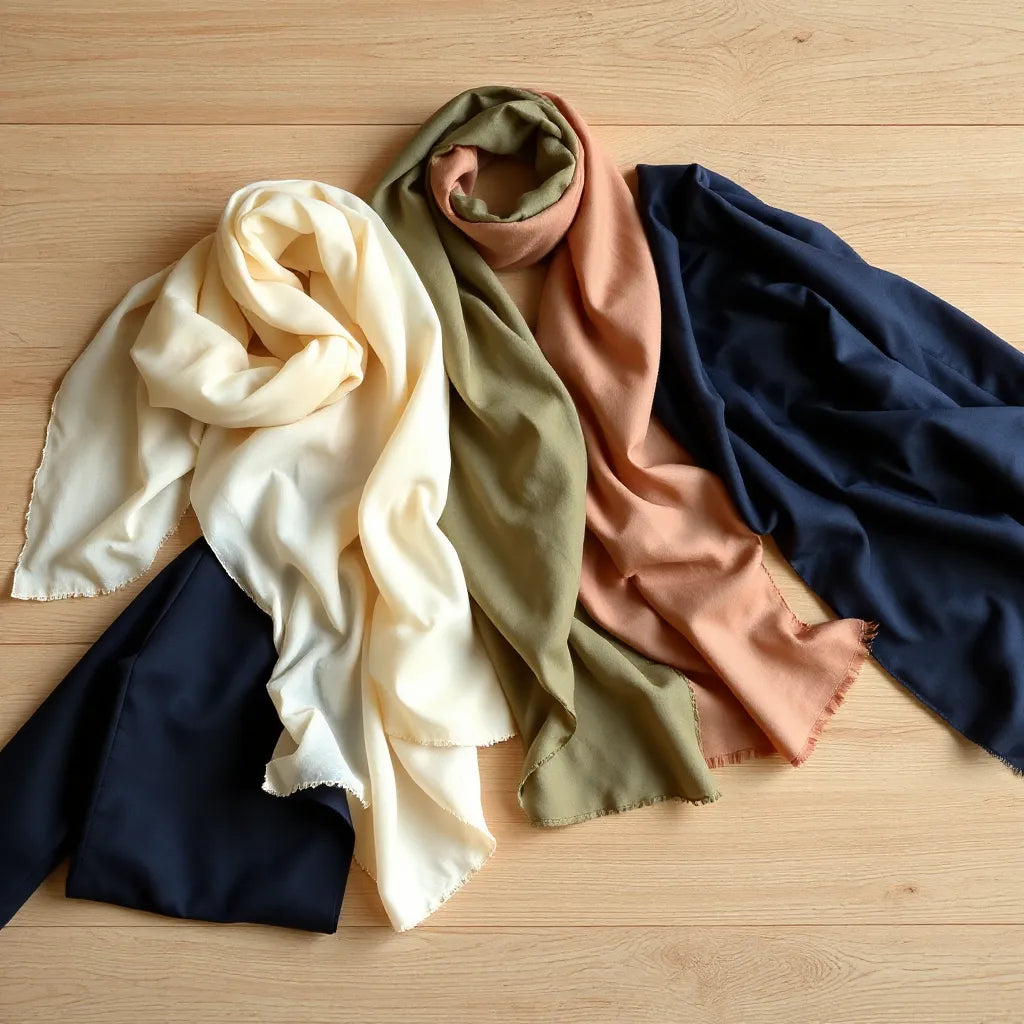
Unified bridal layers: neckline alignment and smooth texture
Care and Maintenance for Long-Term Beauty
Luxury bridal thobes are often kept for special anniversaries or family display. Proper care protects both fabric and embroidery. The first rule is to follow the garment’s recommended cleaning method. Embellished pieces may require gentle handling to avoid loose threads, fading, or distortion.
Before cleaning, inspect the garment for stray threads, loose embroidery edges, or areas that may need stabilization. If you notice any minor issues, address them before washing or steaming. Small repairs are easier early, and they reduce the risk of larger damage.
Storage matters as much as cleaning. Store the thobe away from direct sunlight. Light exposure can fade dyed fabrics and soften the visual contrast of embroidery. Use a breathable garment bag to reduce dust accumulation and humidity exposure. Avoid compression storage that can flatten embroidered textures.
When preparing for events, reduce unnecessary heat. Excessive steaming can alter fabric structure. Use appropriate steam settings and keep the steamer at a safe distance. Always test on a less visible area if you are unfamiliar with the fabric behavior.
For bridal wear that will be worn more than once, plan a routine that includes spot treatment when necessary. Treat stains promptly, but avoid aggressive rubbing. Embroidered surfaces can be more sensitive than smooth fabric, especially where thread density is high.
If you want your bridal plan to remain cohesive across the full look, also consider how you will coordinate headwear and inner layers. A structured, comfortable inner foundation makes it easier to prevent friction that can cause wear over time. You can review a cotton under layer option to understand how comfortable bases support long hours of wear.
Wrap-Up & Key Insights
Luxury bridal thobes deliver more than visual elegance. The most successful choice combines craftsmanship, stable construction, flattering fit, and a comfortable layering plan. By avoiding common mistakes such as skipping fit evaluation or ignoring drape behavior, you reduce surprises on your wedding day. Use the checklist to confirm fabric quality, embroidery finish, and seam stability. Then protect the investment with careful storage and gentle handling.
If you are ready to refine your bridal wardrobe with artisan quality and thoughtful design, explore the range of modest bridal-ready pieces and accessories on Palestinian Elegance to build a cohesive look from foundation to final styling.
Q&A Section
How do I know whether a thobe’s embroidery quality is genuinely refined?
Look for clean edges, consistent thread tension, and secure finishing at borders. Refined embroidery should feel smooth against the fabric and should not shift or pucker when the garment is gently moved. If the embroidery is dense, the surrounding fabric should still lay evenly, which indicates stabilizing and controlled placement.
What fit areas matter most for comfort during a full-day bridal schedule?
Prioritize the shoulders, bust/upper torso, waist, and sleeve openings. These zones influence how the garment moves when you stand, sit, and lift your arms. A stable shoulder line reduces twisting sleeves, while a well-shaped waist prevents pulling that can affect both comfort and appearance.
Should I prioritize drape or decoration when choosing a bridal thobe?
You should evaluate both, because the best result comes from balance. Decoration provides visual impact, but drape controls comfort and movement. Choose pieces where embroidery density does not overpower the fabric’s natural flow. When drape is stable, the bridal look remains consistent in photographs and in real wear.
How can I maintain the appearance of an embellished bridal thobe after the event?
Follow the cleaning instructions provided for the specific garment. Inspect the piece first, address loose threads before cleaning, and store it in a breathable bag away from sunlight. For handling, use gentle steam when needed and avoid aggressive heat or harsh rubbing on embroidered surfaces.
About the Author
Sulieman Alhazma is a fashion specialist with expertise in modest wear styling, bridal coordination, and quality evaluation of artisan-made garments. With a detail-focused approach, Sulieman helps brides translate heritage-inspired craftsmanship into confident, comfortable choices. From fabric behavior to finishing details, the goal remains the same: a refined look that you can wear with ease. Thank you for reading, and may your bridal selection feel clear and empowering.
Disclaimer: This article provides general guidance for choosing and caring for bridal garments. Always follow the care instructions supplied with your specific thobe, and consult a qualified tailor or professional cleaner for complex embroidery or delicate fabrics.
The content in this blog post is intended for general information purposes only. It should not be considered as professional, medical, or legal advice. For specific guidance related to your situation, please consult a qualified professional. The store does not assume responsibility for any decisions made based on this information.