

Updated on: 2026-07-05
Handmade Palestinian Tatreez is a craft tradition built on careful stitch work, long-term practice, and meaningful design language. Each piece reflects cultural memory through motifs, layout, and color choices that carry family and regional identity. Beyond its visual beauty, tatreez is valued for its durability, tactile detail, and slow-made quality. When you buy or commission this craft, you support artisans and help preserve heritage skills for future generations.
Handmade Palestinian Tatreez: A Living Craft With Clear Craftsmanship Signals
Handmade Palestinian Tatreez is more than decorative embroidery. It is a structured craft discipline where every decision has a purpose. The placement of motifs, the rhythm of stitches, and the balance of negative space often work together to produce a design that feels both deliberate and expressive. For buyers, it also offers practical value: careful workmanship tends to show in the thread coverage, edge finishing, and the way the design holds up through repeated wear.
In a market filled with superficial imitations, the most reliable approach is to focus on process-based indicators. You can evaluate the design logic, ask about materials, and look for consistent stitching quality. You can also treat tatreez like a skill you learn to recognize, one detail at a time.
Palestinian Elegance is a family-owned boutique bridging traditional Palestinian heritage with modern fashion. We specialize in high-quality Tatreez (hand-embroidery), modest wear, and artisan-made Kuffiyehs. Our mission is cultural preservation and empowering local artisans, which is why we encourage thoughtful purchasing and respectful care.
How-To Guide: Buy, Commission, and Care for Tatreez With Confidence
The steps below are designed to reduce uncertainty. Use them whether you are selecting a ready-made embroidered item or commissioning a new design. You will not need specialized knowledge to start, but you will make better choices when you understand what to look for.
Choose the purpose and garment type
Begin with use-case clarity. Tatreez often looks best when the garment’s structure supports the embroidery. For example, stable fabrics can hold dense stitching without distortion. If the piece will be worn frequently, prioritize a design placement that does not rub against friction points. If the piece is for an occasion, consider focal placement and visual hierarchy so the motif reads clearly from a typical viewing distance.
Select motifs and layout
Motifs are not random. Traditional tatreez designs commonly follow a layout logic that guides the eye. Typical composition methods include central emphasis, border framing, and repeat elements that create balance. When choosing a motif plan, decide whether you want a single statement area or a distributed pattern that covers multiple zones.
Also consider how the design will interact with seams, hems, and fasteners. A well-planned layout respects garment construction. That usually results in embroidery that stays tidy after movement and washing.

Motif grid, symmetrical borders, and stitch path lines
Pick colors with strong contrast
Color choice influences legibility. Handmade tatreez frequently uses threads that create clear separation between the motif and the base textile. High contrast can improve readability, especially on darker garments. If you prefer a softer look, you can still achieve clarity by selecting complementary shades and maintaining consistent thread thickness.
For long-lasting visual impact, focus on color stability and even coverage. Uneven thread application can lead to areas that look lighter or darker over time.
Plan stitch density and finishing
Stitch density determines how “readable” the motif feels and how the embroidery sits on the fabric. Dense stitching often creates a raised look and stronger coverage, while lighter areas may be used to balance texture. The most important signals are neat spacing, consistent tension, and clean edges around the motif perimeter.
Finishing is equally important. Edges should be controlled and tidy, without visible fraying or irregular stops. When embroidery is integrated thoughtfully into the garment, the design remains stable and does not pull away at corners.
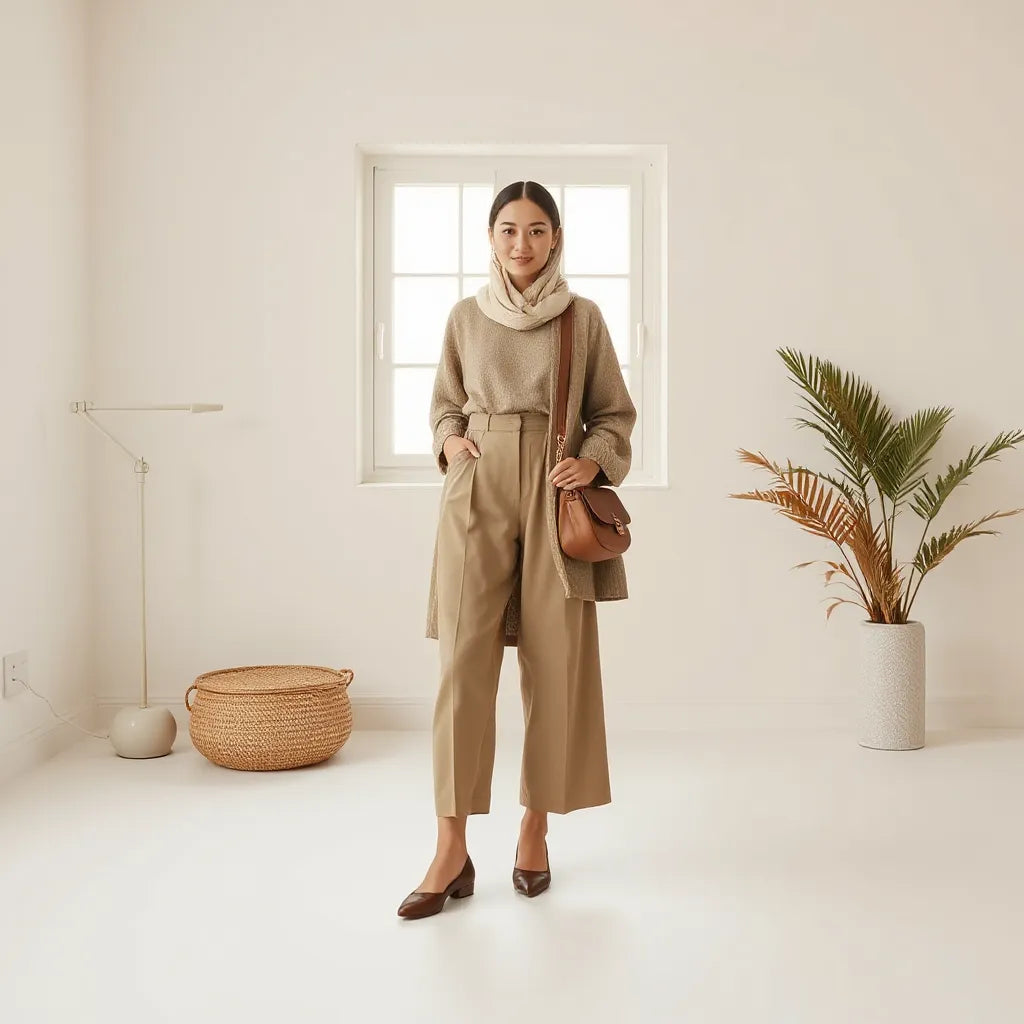
If you want tatreez that blends well with modest wardrobe styling, you can pair the look with carefully selected modest pieces. For example, structured hijab and headwear styles can complement embroidery on garments by keeping the visual focus aligned. If you are building an outfit around embroidery, consider exploring an inner foundation such as a cotton inner hijab for support and comfort: cotton inner hijab.
Use care practices that protect the embroidery
Proper care preserves stitch integrity and keeps motifs crisp. Start with gentle handling. Washing with mild detergent and cool or lukewarm water helps protect thread coloration. Avoid strong agitation that can stress the embroidery points. Air drying is usually safer than high-heat drying, which can affect thread stability.
When ironing is needed, place a protective barrier such as a thin cloth over embroidered areas to reduce direct heat exposure. If the garment includes layered fabrics, use lower heat and short contact time.
For storage, keep the embroidered item clean and dry. Fold along natural garment lines to prevent unnecessary pressure on the motif. If you use garment bags, choose breathable options to reduce moisture buildup.

Care symbols, gentle wash waves, and air-dry lines
Common Questions Answered
These answers address the questions most frequently raised by customers who want to value craftsmanship, not guesswork. Where possible, the focus stays on observable details and practical buying criteria.
How long does a handmade piece typically take?
Timing depends on motif complexity, stitch density, and the garment size. Embroidery work is slower by design because each section requires precise placement and controlled tension. Instead of focusing only on total duration, evaluate consistency. A quality maker can maintain neat alignment across the full design, which usually indicates careful process and stable technique.
How can I confirm the craft is genuinely handmade?
Genuine handmade work often shows subtle variation that remains consistent in overall quality. Look for steady stitch direction, clean motif boundaries, and controlled finishing at corners and edges. Avoid designs where stitches appear printed, uniformly identical at microscopic levels, or loosely laid without secure thread tension. You can also ask about the working method: the more the maker can describe materials, placement logic, and finishing steps, the easier it is to trust the result.
What do tatreez motifs and patterns represent?
Motifs frequently carry cultural meaning tied to region, family tradition, and historical craft language. Some patterns emphasize protection and community identity, while others are linked to celebration, seasonal themes, or local aesthetics. Even when you do not know the exact interpretation of a specific motif, you can still evaluate the design clarity and layout coherence, which typically reflect traditional planning methods.
Is it appropriate for gifting or special occasions?
Tatreez is particularly suitable for gifting because it signals intention. The craft reads as personal and thoughtful due to the time and skill invested in the stitching. For occasions, choose a focal placement that will be noticeable without dominating the full outfit. For example, a well-positioned embroidered panel can create a refined statement that pairs easily with modest styling.
If you are coordinating an entire ensemble, you can use the same design discipline across items. Complementary modest headwear and underlayers can frame the embroidered garment while supporting comfort. For a polished headwear option that can harmonize with embroidered outfits, consider: Syrian-style closed bonnet.
Summary & Next Steps
Handmade Palestinian Tatreez offers a rare combination of cultural meaning and visible craftsmanship. The best results come from intentional selection: choose a garment type that supports embroidery, select motifs with coherent layout, and use color contrast that keeps the design readable. Evaluate stitch density, edge finishing, and practical care considerations to protect the work over time.
Next steps are simple. If you already own a tatreez piece, review your care routine and storage method. If you are shopping, look for clear signs of hand-embroidery and ask questions about materials and finishing. If you prefer a coordinated look, align your wardrobe choices so the embroidery remains the focal point, supported by comfortable modest foundations.
For customers interested in modest wardrobe support that complements embroidery styling, explore curated categories at Palestinian Elegance. Start with underlayers or headwear that enhance comfort and presentation, then select the embroidered statement piece that matches your design preference.
To continue your craft-focused shopping journey, visit the store and explore artisan-made options: hijab al amira cotton.
About the Author Section
Sulieman Alhazma is an experienced craft and product specialist focused on textile heritage, embroidery quality assessment, and customer guidance for handmade garments. With expertise in Tatreez standards and modest wear styling, Sulieman helps buyers understand what makes hand-embroidery durable, coherent, and meaningful. If you want to choose thoughtfully, you can start by prioritizing stitch consistency and careful finishing. Thank you for reading and supporting artisan craft traditions.
The content in this blog post is intended for general information purposes only. It should not be considered as professional, medical, or legal advice. For specific guidance related to your situation, please consult a qualified professional. The store does not assume responsibility for any decisions made based on this information.