

Updated on: 2026-07-06
Modern Modest Fashion brings together comfort, confidence, and timeless design principles. It allows you to build outfits that feel polished while respecting your personal values and daily needs. When you understand fit, fabric behavior, and styling balance, you can create looks that move with you. This guide explains practical ways to choose pieces, care for them, and style them across seasons. The result is a wardrobe that feels intentional, not restrictive.
Modern Modest Fashion: Style That Fits Your Life
Modern Modest Fashion is more than a dress code. It is a practical approach to dressing that prioritizes comfort, thoughtful coverage, and visual harmony. In daily life, modesty should not feel like compromise. It should feel like control: control over how your clothing fits, how it layers, and how it supports your routine.
In this article, you will find a clear framework for choosing fabrics, building outfits, and selecting modest essentials that look refined. You will also learn how to plan a wardrobe that stays versatile without becoming repetitive. If you want outfits that feel modern while honoring classic design principles, this guide is designed for you.
Personal Experience or Anecdote
I first noticed the difference between “covered” and “styled” after I stopped treating my outfits as isolated pieces. Instead of choosing a garment and hoping it would work, I began planning as a system. I focused on three questions: Does it move comfortably? Does it create clean lines? Does the fabric behave well in real settings?
That shift changed everything. A modest look became easier to repeat because it was built on reliable combinations: a base layer that sits smoothly, an outer piece that drapes well, and finishing details that add structure. The result was not just a better appearance. It was less daily stress, fewer last-minute changes, and a wardrobe that felt consistent.
Key Advantages of Modern Modest Fashion
- Confident proportions: Thoughtful cuts and balanced coverage create a flattering silhouette without relying on tight shapes.
- More styling options: Layering expands your outfit range across temperatures and occasions.
- Comfort you can feel: Quality textiles and respectful fit reduce friction, shifting, and re-adjusting.
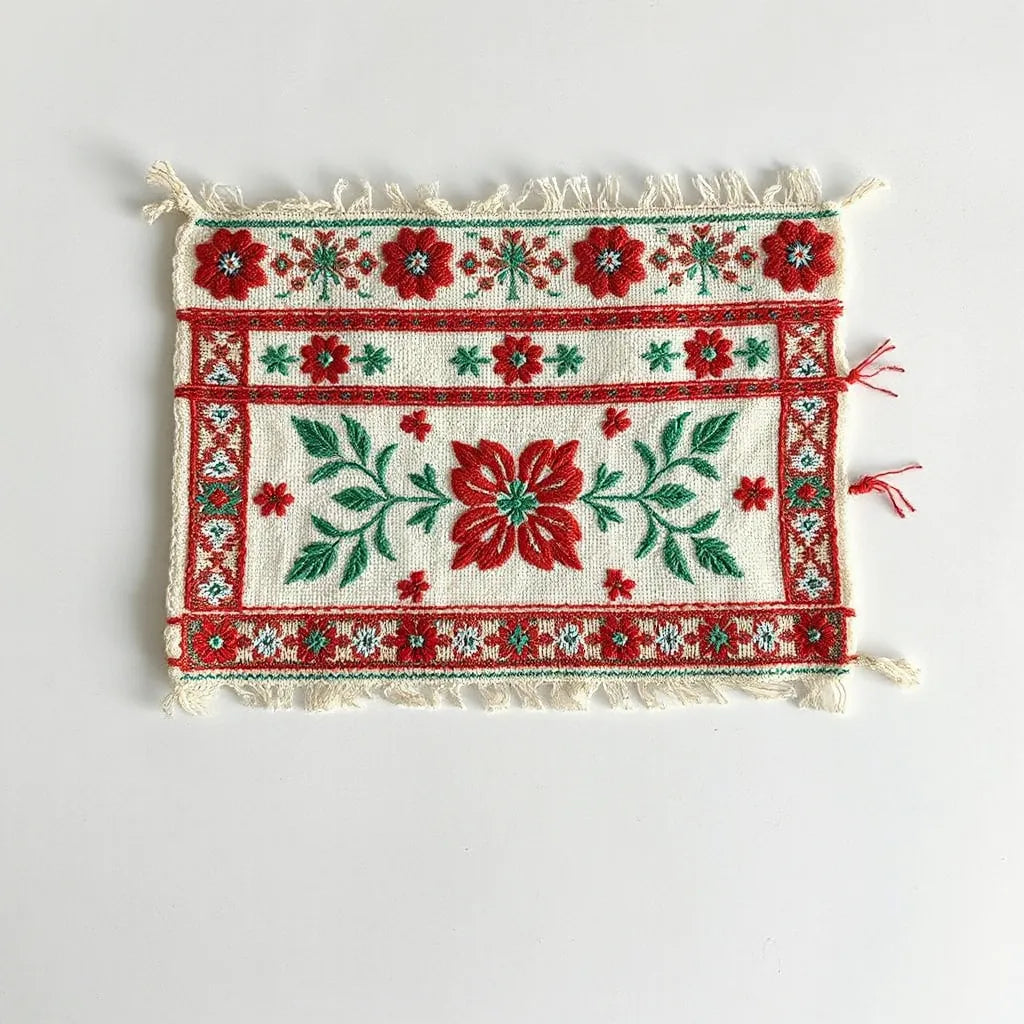
- Design that endures: Heritage-inspired motifs and artisan finishing add meaning, not just decoration.
- Wardrobe efficiency: With the right basics, you can create many combinations from fewer pieces.

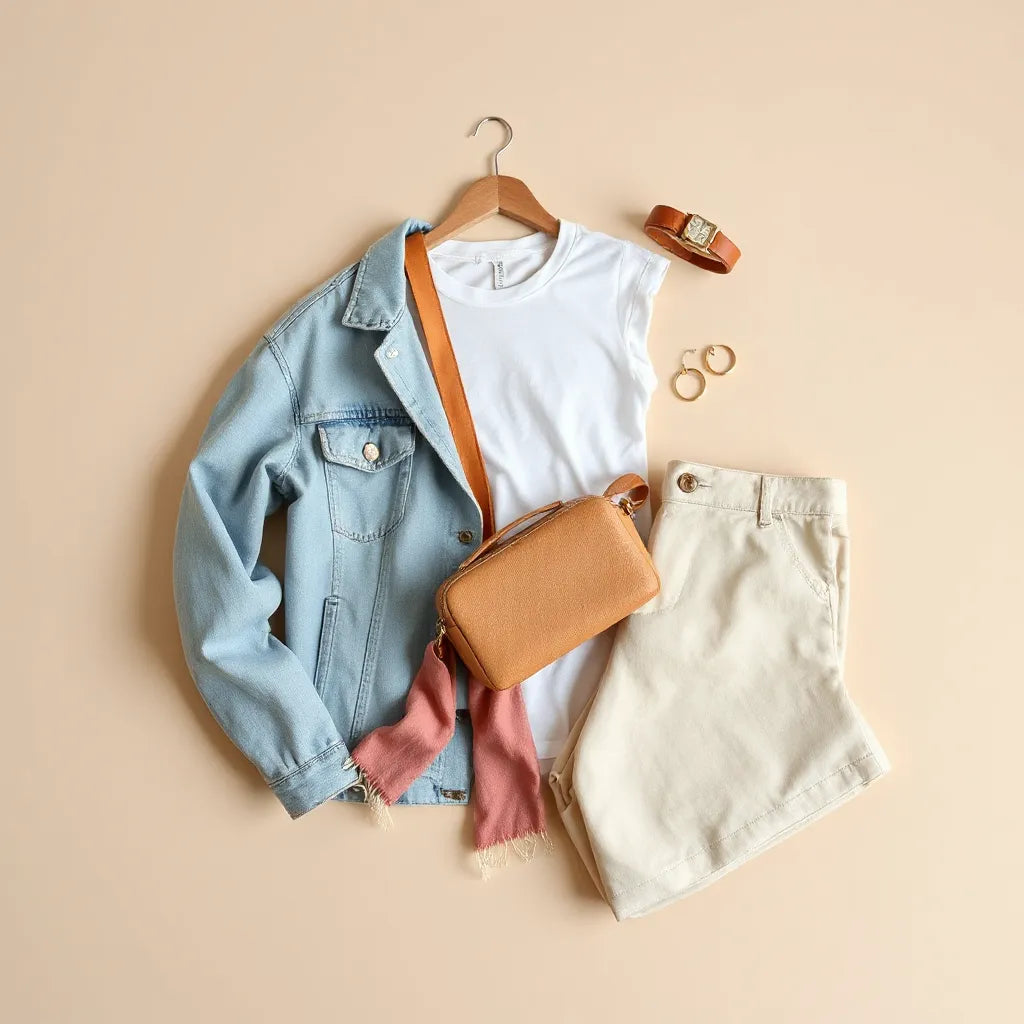
Layering balance shown with draped fabric lines
Quick Tips for a More Modern Modest Wardrobe
- Choose anchor layers first: Start with a base layer that stays in place and supports your comfort.
- Match texture, not just color: Pair smooth pieces with subtle texture to add depth.
- Plan movement: If you sit often, select fabrics that resist creasing and regain shape.
- Use a consistent silhouette: Decide whether you prefer straight lines or softly contoured drape, then repeat it.
- Let accessories do the work: A refined finish at the neckline and sleeve areas can elevate the entire outfit.
Styling Framework for Everyday Modern Modest Fashion
Modern modest styling works best when you treat each outfit like a set of coordinated roles. You do not need many garments. You need the right relationship between them.
1) Build from a stable base layer
A stable base makes everything look intentional. When your inner pieces fit correctly, your outer clothing falls neatly. It also reduces shifting, which is one of the most common frustrations when wearing modest outfits throughout the day.
If you prefer a clean, secure finish for head coverage and comfort, consider starting with a structured under layer option. For example, you can explore a cotton inner piece designed to sit smoothly under hijabs and bonnets, such as the cotton inner hijab. This type of base can support a tidy look without adding unnecessary bulk.
2) Select outer garments by drape behavior
Drape behavior matters because it determines how clothing looks when you move. Fabrics that skim rather than cling help maintain a modest silhouette. Look for materials that hold their shape at the shoulders and distribute volume evenly.
For dresses and thobes, pay attention to how the fabric responds around the waist, arms, and hem. Even when a garment is modest by design, poor drape can create uneven lines. A well-draped piece will look polished with minimal styling effort.
3) Harmonize color temperature and contrast
Color harmony can make an outfit feel modern, even when the design is traditional. A practical method is to choose one dominant neutral, then add one secondary tone and one accent detail. The accent can come from embroidery, a scarf edge, or a subtle print.
To add a refined finishing touch, many people use chiffon or soft blends for movement at the neckline and shoulders. This is where the “modern” part becomes visible: lighter layers and controlled flow create a contemporary look while still honoring coverage principles.
Care and Wardrobe Planning for Longevity
Modern Modest Fashion should be sustainable in two ways: it should suit your routine and it should last. Planning and care protect your investment and preserve the visual quality of embroidery, fabric texture, and color.
Fabric care that keeps the look crisp
Many modest wardrobe staples depend on fabric behavior. Chiffon and similar lightweight textiles respond well to gentle handling. Cotton and structured linings can handle regular washing, but still benefit from careful drying to avoid warping.
When garments include artisan details, treat the fabric with respect. Use mild detergent, avoid harsh scrubbing, and follow the garment’s care guidance. If you are unsure, choose a low-agitation wash cycle and air-dry when possible. This approach helps embroidery and surface finishes remain stable over time.
Build a rotation with season-aware layering
Wardrobe planning is easiest when you categorize pieces by their role. Keep a small rotation of base layers, a flexible set of outer garments, and a limited collection of head coverage options. Then add or subtract layers based on temperature and daily schedule.
This prevents the “all-season” problem, where you accumulate many pieces but still cannot find an outfit quickly. Instead, you gain repeatability: you can create distinct looks using the same core items.
Choose head coverage that supports comfort
Head coverage is central to many modest wardrobes. Comfort comes from fit, fabric softness, and secure placement. If you experience sliding or uncomfortable pressure, adjust the base layer or choose a head covering designed to sit gently.
For a smooth, polished head finish, you may consider a high-quality chiffon option such as the soft flow chiffon hijab. For structured styling and everyday reliability, a bonnet can also provide stability. You can compare options like a Syrian-style open bonnet when you prefer a supportive foundation.

Organized wardrobe roles shown with layered hangers
Summary & Next Steps
Modern Modest Fashion works best when it is approached as a system. Start with stable base layers, choose outer garments based on drape behavior, and use color harmony to create a modern finish. Then plan care and rotation so that your wardrobe stays functional and visually consistent.
Your next step can be practical. Review what you already own and identify your reliable base pieces. Then choose one upgrade that improves comfort or finish, such as a head coverage option or a fabric that drapes more effectively. When you make small changes with intention, your everyday outfits become easier, more confident, and more coherent.
If you want to explore modest wardrobe essentials crafted with refined materials and artisan detail, visit Palestinian Elegance for thoughtfully designed modest wear.
Q&A Section
How do I make modest outfits look modern without changing my values?
Focus on modern presentation: cleaner lines, intentional layering, and fabrics that move gracefully. Choose a consistent silhouette, then refine with subtle accents such as neckline finishing and coordinated color temperature. When your proportions and drape are controlled, the outfit naturally reads as contemporary.
What fabrics perform best for everyday Modern Modest Fashion?
Everyday comfort usually comes from fabrics that hold shape and feel smooth against the skin. Look for textiles that drape rather than cling, and consider options that manage movement without excessive wrinkling. If you often layer, prioritize breathable inner pieces and outer fabrics that skim and fall evenly.
How can I reduce slipping or discomfort in head coverage?
Start with a stable base layer that sits comfortably and supports the outer layer. Ensure correct sizing and positioning, and consider head coverage styles that include a structured foundation. Gentle fabric choice matters as well; softer materials reduce friction and pressure, especially during long wear.
How do I plan a modest capsule wardrobe without feeling limited?
Use a role-based capsule approach. Keep a small set of base layers, a selection of outer garments with consistent silhouette behavior, and a curated set of head coverings and accessories. You can rotate combinations by changing color accents, sleeve or neckline styling, and outer layer structure.
About the Author
Sulieman Alhazma is a fashion-focused content writer with expertise in modest styling and heritage-inspired wardrobe design. With a background in editorial guidance, they help readers translate everyday needs into practical, elegant outfits. Their approach emphasizes fit, fabric behavior, and intentional layering. Sulieman Alhazma welcomes you to build a wardrobe that feels composed, comfortable, and personally true.
Disclaimer: This article is for general educational purposes only and does not replace professional styling or medical advice. Fabric performance can vary by individual fit, climate, and care practices.
The content in this blog post is intended for general information purposes only. It should not be considered as professional, medical, or legal advice. For specific guidance related to your situation, please consult a qualified professional. The store does not assume responsibility for any decisions made based on this information.