

Updated on: 2026-07-15
- Introduction
- How to style heritage embroidered garments for daily and special occasions
- Why heritage embroidery matters: materials, technique, and meaning
- Caring for heritage embroidered garments so the details last
- Building a capsule wardrobe around embroidered tradition
- FAQ
- Closing thoughts
- About the Author
Introduction
Heritage embroidered garments connect fashion to cultural memory. They translate patterns, stitches, and craftsmanship into pieces that feel personal, intentional, and timeless. When embroidery is designed with care and executed with skill, it becomes more than decoration. It reflects community knowledge, regional motifs, and the patience of artisan work.
Many people want to wear embroidered clothing without feeling overwhelmed by styling choices or care requirements. This guide explains practical ways to choose, style, and maintain heritage embroidered garments while protecting the beauty of the stitching. You will also learn how to build a wardrobe that supports modest, elegant looks across seasons.
How to style heritage embroidered garments for daily and special occasions
Styling embroidered clothing becomes simpler when you treat the embroidery as the focal point. Begin by selecting a silhouette that complements the embroidery placement, then coordinate textures and colors to support the stitchwork instead of competing with it. The goal is balance: refined embroidery against clean lines, comfortable layers, and thoughtful proportions.
Start with the garment as the centerpiece. If the embroidery is dense, keep the rest of the outfit simple and structured.
Match color families rather than exact shades. Choose complementary neutrals or tonal layers to allow the threadwork to stand out.
Use modest layering to frame the embroidery. A well-chosen inner layer, scarf, or lining can create visual harmony.
Balance texture. Pair embroidered details with smooth fabrics so the stitchwork remains easy to read visually.
Consider occasion-level refinement. For everyday wear, select smaller or more discreet embroidery placements. For events, use more deliberate styling and a polished outer layer.
Pay attention to movement. Ensure the embroidery sits smoothly on the body and does not pull across seams when you walk or adjust layers.
Everyday styling approach
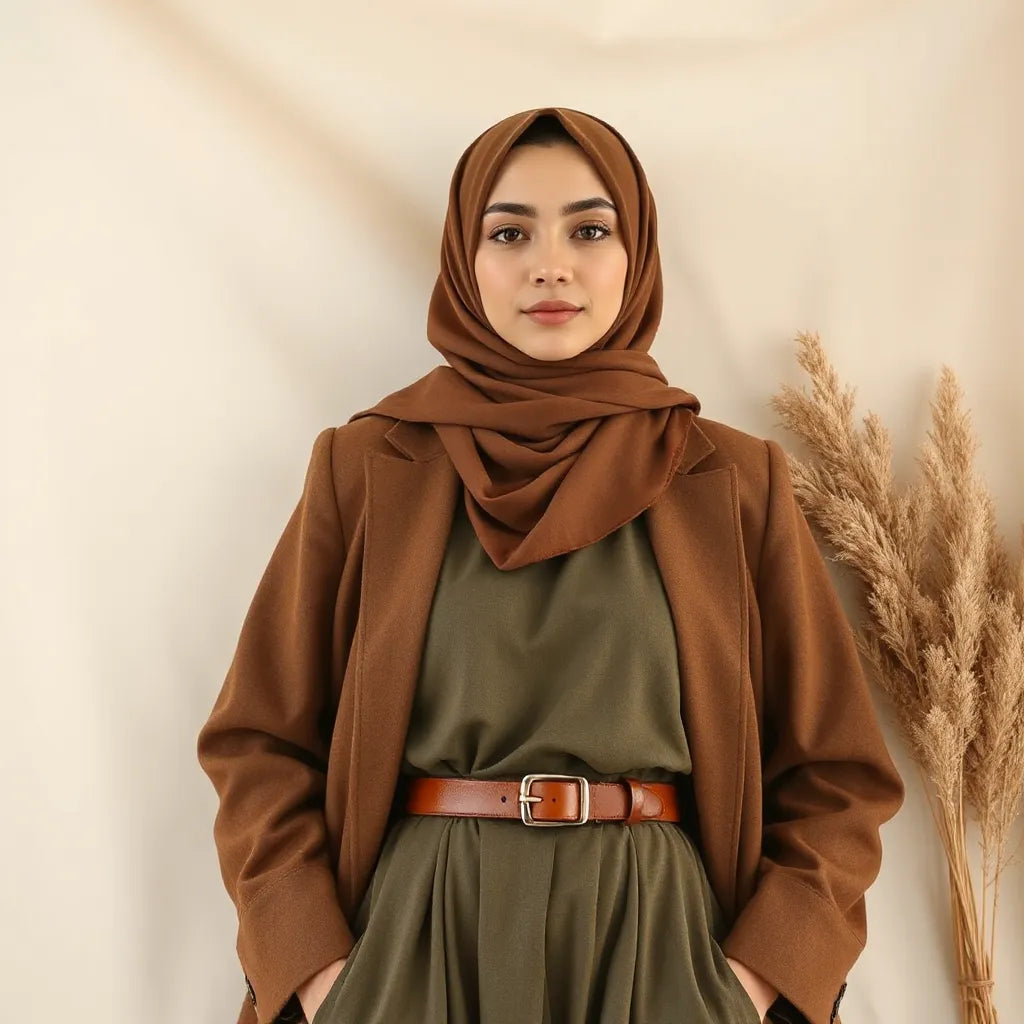
For daily looks, prioritize comfort and repeatable combinations. Choose a solid base color, then let embroidery add meaning through color and pattern. Minimal accessories work best: a calm palette, neutral footwear, and a scarf or head covering that supports the garment rather than competing with it.

Motif sketch, colored threads, and neutral outfit shapes
Special occasion styling approach
For weddings, receptions, and formal family gatherings, elevate the outfit through proportion and finishing. If the garment features dense embroidery, use smoother layers that do not add competing patterns. Coordinate your accessories by color family, not by randomness. If the garment is richly detailed, aim for clean lines and a refined silhouette that highlights the craft without crowding the look.
To explore embroidered styling options with a heritage focus, you can also reference curated modestwear categories on Palestinian Elegance.
Example product integration
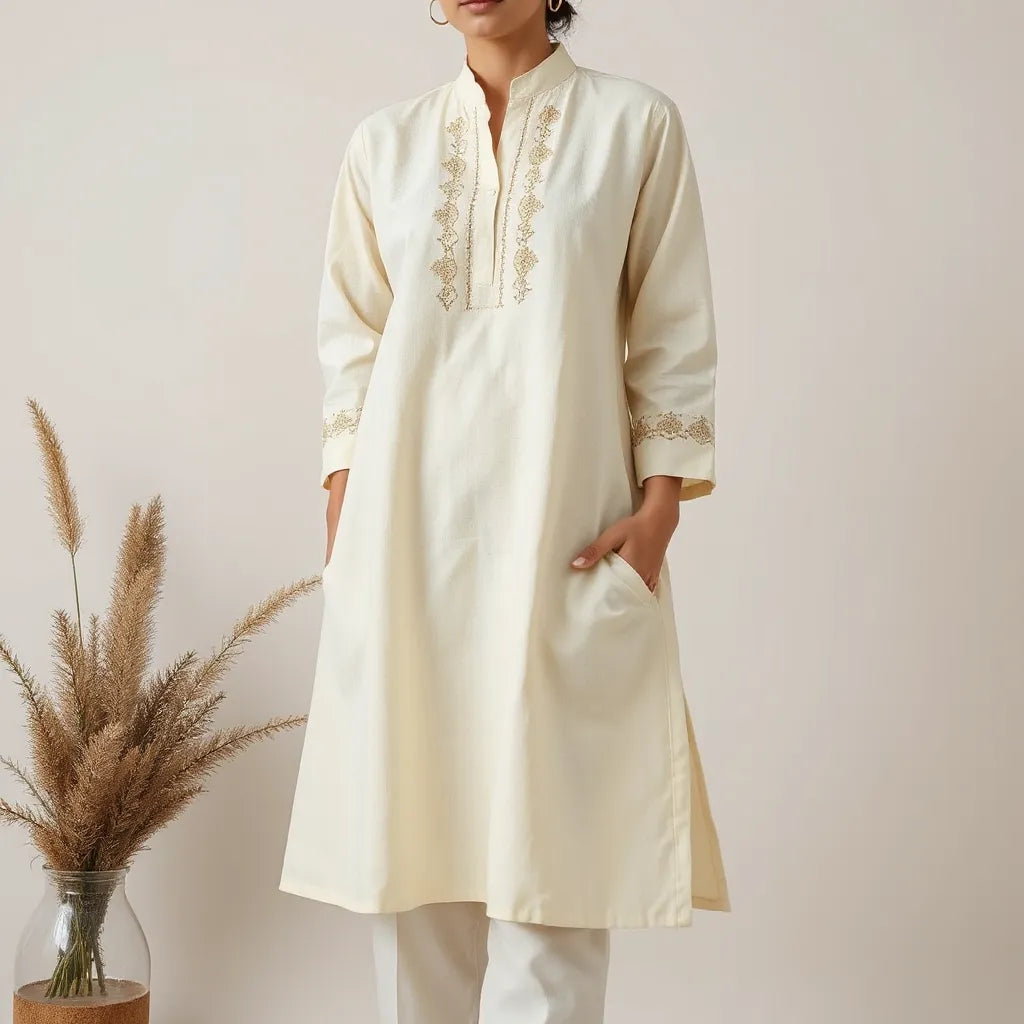
For readers who want a heritage-inspired embroidered focal piece with event-ready styling potential, consider the following featured item. It illustrates how embroidery can shape a complete look through color balance and craftsmanship.
Kamta,
If you want guidance on pairing embroidery with complementary modest layers, review similar head covering and inner layer options from the same boutique catalog.
Closed bonnet options for a smooth base
Why heritage embroidery matters: materials, technique, and meaning
Heritage embroidery is not a surface effect. It is a craft system that relies on materials, stitch discipline, and design knowledge. When embroidery is executed carefully, the threads maintain clarity over time, and the motif remains legible from near and far.
Several factors help explain why embroidered garments often carry a distinct visual quality:
Thread choice and color stability. Well-selected threads support consistent color depth and long-term appearance.
Stitch structure. Dense yet controlled stitchwork helps motifs stay crisp and avoids uneven texture.
Design placement. Skilled artisans map motifs to garment seams and body movement, which improves both comfort and visual balance.
Construction quality. Embroidery reflects the discipline of the broader garment pattern and finishing.
In many traditions, embroidered details carry meaning through regional motifs and community storytelling. This does not require you to “decode” every symbol to value the craft. The essential point is that heritage embroidery communicates intentionality. It turns a garment into a wearable artifact of skilled labor and cultural preservation.
When choosing heritage embroidered garments, look for clear workmanship. The best pieces typically show consistent stitching, stable thread tension, and thoughtful integration with the fabric. You can evaluate these features by examining close-up images and reading product descriptions carefully.
Caring for heritage embroidered garments so the details last
Embroidery requires care because it is made of thread, texture, and tension. A respectful care routine protects the look of the motif and reduces risks such as fraying, dullness, or thread stress. You do not need complicated steps. Consistency and gentle handling are the key elements.
Cleaning and washing fundamentals
Check the garment guidance first. Always follow the care instructions on the product page.
Use gentle cleaning methods. If washing is permitted, choose mild detergent and avoid harsh scrubbing over the embroidered areas.
Protect embroidery during laundering. Turn the garment inside out if recommended, and place it in a wash bag when washing machines are used.
Dry with care. Avoid excessive heat that can affect fabric stability and thread sheen.
Storage and handling
Store embroidered pieces flat or gently folded with clean, dry layers between fabrics if needed.
Avoid long exposure to strong sunlight. Light can affect thread vibrancy over time.
Handle with clean hands. Oils and residue can dull embroidery and attract dust.

Folded cloth layers, thread spool cues, and soft storage textures
Preventing common damage
Embroidery can be damaged by abrasion and friction. Be mindful of how your outfit layers interact. For example, rough trims and heavy accessories can rub against embroidered surfaces. When you dress, allow the garment to rest naturally and avoid forcing it over tight openings.
If your look includes multiple garments, consider separating embroidered elements from abrasive fabric. Smooth base layers help reduce friction and protect the stitch surface.
Building a capsule wardrobe around embroidered tradition
A capsule wardrobe for embroidered clothing is designed to repeat elegantly. Instead of buying many single-use pieces, you select a small set of complementary items and rotate them. This approach keeps your style consistent and makes it easier to maintain your heritage embroidered garments.
Choose a foundation of simple silhouettes
Start with solid pieces that provide clean visual space around embroidery. Monochrome base colors or subtle tonal variations often work best. When your foundation is calm, embroidery becomes the focal point without creating visual noise.
Use head coverings and inner layers as harmony tools
For modest styling, head coverings and inner layers help frame embroidered garments. The right base can improve drape, comfort, and overall presentation. It can also reduce friction, which supports embroidery longevity.
If you want smoother underlayer support, you may explore options such as cotton underscarf and bonnet for a stable foundation.
Coordinate through texture and color discipline
Embroidery often contains multiple thread tones. Choose complementary colors across your outfit, especially in your outer scarf or head covering. You do not need a perfect match. Instead, aim for coordinated color families and balanced textures.
For readers who prefer fluid fabric movement, chiffon options can support an elegant drape over embroidered garments. If this style direction interests you, you can review premium chiffon hijab styling potential.
Rotate occasions without losing consistency
Heritage embroidered garments can work across seasons when you plan your layering. In cooler months, pair with a more structured outer layer. In warmer months, keep the garment profile light and select breathable base fabrics. This strategy helps embroidery remain visually centered while your overall look remains comfortable.
FAQ
What makes heritage embroidered garments feel different from standard decorative embroidery?
Heritage embroidered garments are typically designed with cultural motifs, controlled stitchwork, and intentional placement. The craftsmanship affects how the pattern reads on the body, how the threads maintain their clarity, and how the garment feels as part of a broader tradition rather than a quick decoration.
How should I style embroidered details without making the outfit look busy?
Choose a simple foundation and let the embroidery remain the focal point. Use neutral or tonal layers, avoid competing patterns, and select textures that support the embroidery rather than clash with it. When in doubt, reduce accessory complexity and focus on clean lines.
What is the safest way to maintain the embroidery during washing?
Follow the care guidance provided for the specific garment, use mild detergent, and avoid direct scrubbing on the embroidered surface. If laundering is allowed, protect the item with gentle handling, and dry carefully to prevent heat-related thread and fabric changes.
Closing thoughts
Heritage embroidered garments offer a meaningful way to dress with respect for craft and cultural continuity. You can achieve beautiful results through disciplined styling, thoughtful layering, and gentle care. When you treat embroidery as a central feature, your wardrobe becomes more cohesive, your outfit choices feel more intentional, and your garments retain their beauty for longer.
If you want to deepen your understanding of modest styling with artisan-made details, browse the selection at Palestinian Elegance and choose pieces that align with your personal color preferences and lifestyle needs.
About the Author
Sulieman Alhazma is a fashion and heritage content specialist focused on artisan-made modest wear and Tatreez-inspired craftsmanship. With expertise in how traditional design translates into modern wardrobes, Sulieman helps readers approach embroidered clothing through practical styling, responsible care, and cultural context. Palestinian Elegance is a family-owned boutique bridging traditional Palestinian heritage with modern fashion, specializing in high-quality hand-embroidery, modest wear, and artisan-made Kuffiyehs. Sulieman welcomes you to select garments with confidence and wear them with pride.
Disclaimer: This article provides general styling and care guidance for embroidered textiles. Always follow the specific care instructions included with each garment to achieve the best results.
The content in this blog post is intended for general information purposes only. It should not be considered as professional, medical, or legal advice. For specific guidance related to your situation, please consult a qualified professional. The store does not assume responsibility for any decisions made based on this information.