

Updated on: February 15, 2026
Palestinian Elegance dresses represent a timeless fusion of cultural heritage and contemporary fashion aesthetics. These garments showcase intricate embroidery, traditional patterns, and refined tailoring that appeal to modern consumers seeking authentic, meaningful pieces. Discover how to select, style, and care for these elegant dresses while understanding their cultural significance and investment value in your wardrobe.
Table of Contents
- Understanding Palestinian Elegance Dresses
- Key Features and Design Elements
- Styling Guide for Modern Occasions
- Investment Value and Quality Assessment
- Care and Maintenance Practices
- Frequently Asked Questions
- About the Author
Understanding Palestinian Elegance Dresses
Palestinian Elegance dresses embody centuries of cultural tradition while meeting the expectations of contemporary fashion enthusiasts. These garments transcend simple clothing; they represent a narrative of heritage, artisanal skill, and timeless beauty. The category has grown significantly in recent years as consumers worldwide recognize the value of authentic, culturally rooted fashion pieces that offer both aesthetic appeal and meaningful storytelling.
The essence of these dresses lies in their meticulous construction and attention to detail. Each garment is crafted with specific intention, incorporating design elements that have been passed down through generations. The silhouettes range from flowing, comfortable styles suitable for everyday wear to more elaborate pieces designed for formal occasions and celebrations.
What distinguishes this category from mass-produced alternatives is the commitment to quality materials and ethical production practices. Artisans invest considerable time in creating each piece, ensuring that every stitch reflects their expertise and dedication to the craft. This approach results in garments that not only look exceptional but also demonstrate superior durability compared to mass-market alternatives.
Key Features and Design Elements
Traditional Embroidery Techniques
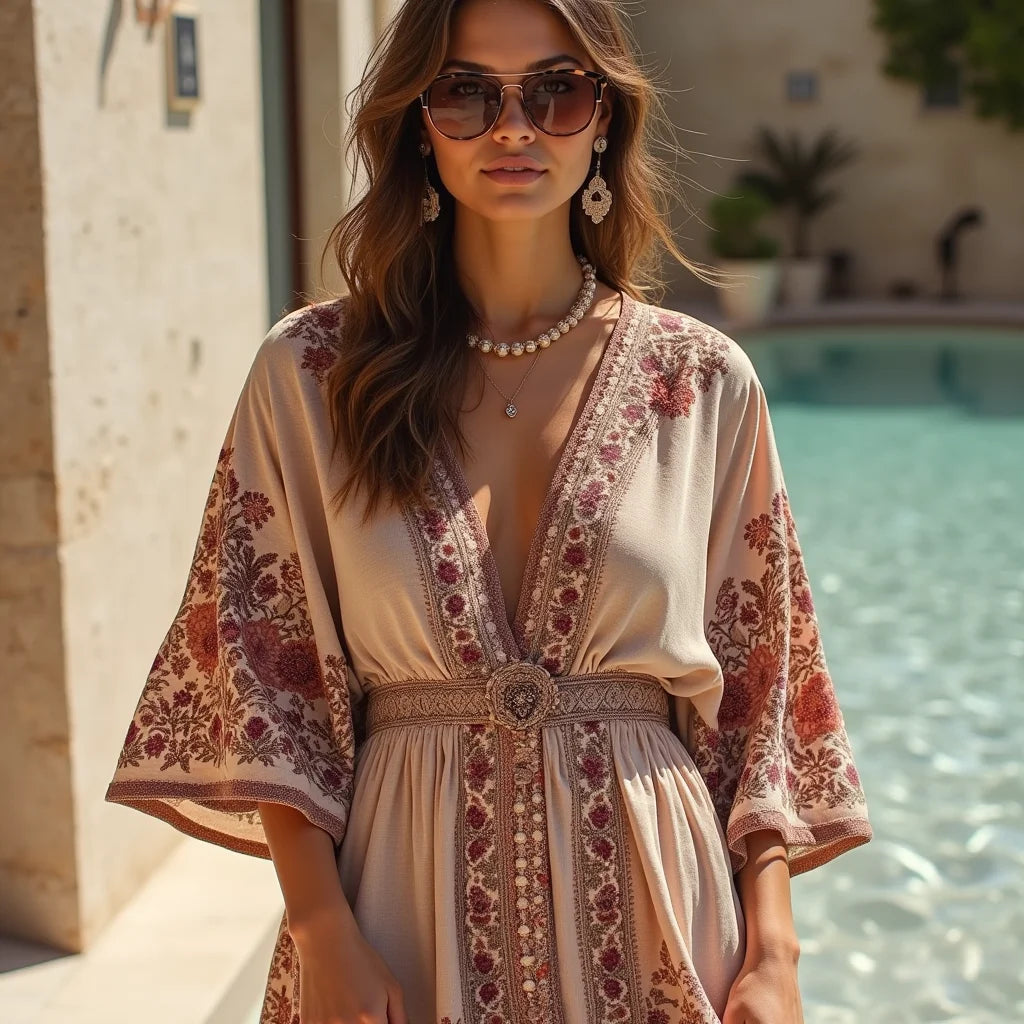
Embroidery serves as the primary visual identifier of authentic Palestinian Elegance dresses. Skilled craftspeople employ hand-stitching techniques that have remained largely unchanged for centuries. These embroidered patterns often feature geometric designs, floral motifs, and symbolic elements that carry cultural meaning. The thread colors typically include deep jewel tones such as burgundy, navy, emerald, and gold, creating striking visual contrast against the base fabric.
The embroidery process is labor-intensive and requires considerable expertise. Artisans work methodically, sometimes spending weeks completing a single garment. This dedication ensures that each piece is unique, with subtle variations that add to its character and authenticity. The placement of embroidery often follows traditional patterns specific to particular regions and communities.

Intricate hand-stitched embroidery featuring geometric patterns in jewel tones on traditional fabric base.
Fabric Selection and Quality
Premium fabric selection distinguishes high-quality pieces from lower-grade alternatives. Authentic Palestinian Elegance dresses typically feature natural fibers such as cotton, linen, and silk. These materials offer superior breathability, comfort, and longevity compared to synthetic alternatives. The weight and weave of the fabric are carefully selected to complement the intended design and use case.
Fabric sourcing represents an important consideration for both artisans and consumers. Ethical suppliers provide materials that meet rigorous quality standards while ensuring sustainable and fair-trade practices. This commitment to responsible sourcing extends throughout the entire production chain, from raw material acquisition through final delivery to the customer.
Silhouette and Fit Variations
Palestinian Elegance dresses come in numerous silhouette options designed to flatter diverse body types and accommodate various styling preferences. Traditional designs feature flowing, loose-fitting cuts that provide comfort and elegance. Modern interpretations incorporate contemporary tailoring while maintaining cultural authenticity and design integrity. Some pieces feature adjustable elements such as drawstring waists or tie details, offering customizable fit options.
The length variations range from ankle-length traditional styles to midi and knee-length contemporary interpretations. This diversity ensures that consumers can find appropriate options for different occasions, climate conditions, and personal preferences. The versatility of silhouette options makes these dresses suitable for diverse consumer demographics and lifestyle requirements.
Styling Guide for Modern Occasions
Casual Day Styling
For everyday wear, Palestinian Elegance dresses can be styled in approachable, comfortable ways that showcase their beauty without excessive formality. Pairing a simpler embroidered dress with casual footwear such as flat sandals or comfortable sneakers creates an effortless aesthetic. Adding a lightweight cardigan or denim jacket provides versatility for varying temperatures and settings.
Accessorizing minimally allows the dress itself to serve as the focal point. Simple jewelry pieces, a structured tote bag, and comfortable footwear complete an understated yet refined look. This approach makes these garments accessible for regular wear rather than reserving them exclusively for special occasions.
Professional and Business Settings
Many contemporary Palestinian Elegance dresses feature designs sophisticated enough for professional environments. Selecting pieces in neutral color palettes with subtle embroidery creates appropriate business attire. Pairing these dresses with structured blazers, professional accessories, and polished footwear elevates the look to business-appropriate standards. This styling approach allows professionals to incorporate cultural authenticity into their work wardrobe while maintaining appropriate professional standards.
Formal Event Styling
For formal occasions, the most ornately embroidered Palestinian Elegance dresses truly shine. These pieces serve as standalone statements that require minimal additional embellishment. Elegant footwear, delicate jewelry, and refined accessories complement without overshadowing the dress itself. The cultural significance and visual impact of these garments make them ideal choices for weddings, cultural celebrations, and formal gatherings.

Layered styling composition featuring embroidered dress with coordinating accessories and refined presentation.
Investment Value and Quality Assessment
Purchasing Palestinian Elegance dresses represents a meaningful investment in quality, authenticity, and cultural significance. Unlike mass-produced fashion items that depreciate rapidly and deteriorate with minimal wear, these garments are designed to appreciate in value and improve with age. The durability of well-constructed pieces, combined with their timeless aesthetic appeal, ensures long-term wardrobe relevance.
Assessing quality involves evaluating several key factors. Examine the evenness and consistency of embroidery work, the quality of fabric materials, the precision of seams and construction details, and the overall finish of the garment. Authentic pieces demonstrate exceptional attention to detail throughout every aspect of construction. The weight and texture of quality fabrics should feel substantial and purposefully selected rather than flimsy or compromised.
Sourcing from reputable vendors ensures authenticity and ethical production practices. Established retailers specializing in Palestinian Elegance dresses maintain stringent quality standards and work directly with artisans. These retailers provide transparency regarding materials, production methods, and pricing structures. Investing through such channels supports artisan communities while guaranteeing genuine, well-constructed pieces.
Consider exploring curated collections that showcase diverse styles and price points. Additionally, resources like Wonderhaul occasionally feature specialty items worth exploring for comparative shopping and inspiration.
Care and Maintenance Practices
Cleaning and Washing
Proper cleaning methods preserve the integrity of Palestinian Elegance dresses and maintain their appearance over extended periods. Hand washing in cool water with gentle, pH-neutral soap represents the safest approach for most pieces. Avoid harsh chemicals, bleach, and strong detergents that may damage delicate fibers or cause embroidery threads to fade or deteriorate.
For pieces with extensive embroidery, consider professional dry cleaning from specialists experienced with delicate, culturally significant garments. Always communicate the presence of hand-embroidered elements and natural fibers to ensure appropriate treatment. Machine washing, if attempted, should occur only on delicate cycles with cold water and specialized fabric wash products.
Storage and Preservation
Storing Palestinian Elegance dresses appropriately prevents damage, discoloration, and deterioration. Use wooden or padded hangers rather than plastic alternatives that may create creases or stress the fabric. Store garments in cool, dry locations away from direct sunlight, which may cause color fading over time. Acid-free tissue paper provides protective wrapping for stored pieces, particularly those in deep jewel tones prone to color transfer.
Avoid storing dresses in plastic bags or sealed containers that may trap moisture and promote mildew development. Allow garments to breathe in well-ventilated closet spaces. Periodic inspection ensures early detection of potential pest damage or environmental deterioration. Proper storage practices ensure that these investment pieces remain beautiful and wearable for decades.
Repair and Restoration
Should embroidery or fabric require repair, seek specialists with expertise in traditional textile restoration. Professional artisans can address loose threads, small tears, or fading embroidery elements using period-appropriate techniques and materials. Regular maintenance and prompt attention to minor issues prevent damage escalation and extend garment longevity significantly.
Building relationships with qualified textile conservators provides ongoing support for your collection. These professionals understand the cultural and material significance of these pieces and approach repairs with appropriate respect and expertise. Investment in professional care maintains both the aesthetic and monetary value of your Palestinian Elegance dresses.
Frequently Asked Questions
What makes Palestinian Elegance dresses different from mass-produced alternatives?
These dresses feature hand-embroidery created by skilled artisans, premium natural fabrics, and traditional design methods passed through generations. Each piece is unique, with individual variations reflecting the artisan's skill and cultural authenticity. Mass-produced alternatives typically employ machine embroidery, synthetic materials, and standardized designs lacking cultural significance and durability.
Are Palestinian Elegance dresses suitable for everyday wear or only special occasions?
While some elaborate pieces work best for formal events, many designs function beautifully as everyday garments. Simpler embroidery styles, softer colors, and streamlined silhouettes offer comfortable everyday wearability. Contemporary collections specifically address everyday styling needs, making these dresses accessible for regular wardrobe integration.
How should I determine if a Palestinian Elegance dress is authentically crafted?
Authentic pieces demonstrate hand-embroidery irregularities, premium natural fiber construction, skilled seaming, and cultural design authenticity. Examine the embroidery closely for the unique variations characteristic of hand work. Check fabric tags for material composition and research the vendor's reputation and production practices. Reputable retailers provide detailed information about artisan origins and production methods.
What is the typical price range for quality Palestinian Elegance dresses?
Price varies significantly based on embroidery complexity, fabric quality, size, and artisan reputation. Simple everyday pieces may start at moderate price points, while elaborate formal dresses with extensive hand-embroidery command higher investments. Quality pieces generally cost more than mass-produced alternatives but provide superior longevity, cultural value, and aesthetic satisfaction justifying the investment.
How do I find authentic Palestinian Elegance dresses from ethical sources?
Support established retailers specializing in these garments who maintain direct relationships with artisan communities. Research vendor background, production practices, and customer reviews. Look for transparency regarding material sourcing, artisan compensation, and production methods. Learn about our commitment to ethical practices and fair-trade principles guiding our curation.
About the Author
Sulieman Alhazma
Sulieman Alhazma brings extensive expertise in textile arts, cultural fashion heritage, and ethical production practices within the apparel industry. With years of experience documenting and promoting traditional craftsmanship, Sulieman has developed deep knowledge of Palestinian Elegance dresses and the artisan communities that create them. His work emphasizes the intersection of cultural preservation, sustainable fashion, and consumer education. Sulieman remains committed to helping fashion enthusiasts understand and appreciate the authentic value of culturally significant garments.