

Updated on: 2026-07-14
Artisan-crafted clothing connects design quality with cultural care. It is shaped by skilled makers, measured materials, and careful finishing. When you understand how these garments are made, you can choose pieces that fit your lifestyle and last longer. This guide explains what distinguishes artisan work, how to evaluate fabric and construction, and how to care for garments responsibly.
Introduction | A Personal Experience With Craft Quality | Key Advantages of Artisan-Crafted Clothing | Quick Tips for Choosing the Right Pieces | Summary and Next Steps | Q&A
Why Artisan-Crafted Clothing Matters for Modern Wardrobes
Artisan-crafted clothing offers more than visual appeal. It provides a measurable standard of workmanship, from thoughtful patterning to disciplined finishing. In a market full of uniform styles, many shoppers seek garments that feel distinct, fit with intention, and hold their character through repeated wear. The value is practical: well-made textiles tend to resist premature wear, and construction choices influence how clothing drapes, breathes, and adapts to movement.
At its core, artisan clothing is defined by craft process. Skilled makers work with specific fibers, controlled stitching, and time-tested techniques. The result is clothing that looks considered and feels reliable. If you want to upgrade a modest wardrobe with pieces that reflect care rather than speed, learning what to look for will help you choose confidently.
A Personal Experience With Craft Quality
I once evaluated two sets of garments side by side for a customer request. One set looked attractive at first glance, but the details told a different story. The seams sat unevenly, the fabric stretched back too quickly, and the lining alignment created small shifts when the garment moved. The other set showed consistent tension in the stitching, smooth transitions between panels, and finishing that stayed neat even at stress points.
That day made an important point clear: artisan-crafted clothing is not defined by one feature. It is defined by how many small details work together. When the garment is well constructed, comfort improves without requiring you to “break it in” through discomfort. When finishing is disciplined, the garment keeps its shape longer and maintains a clean appearance across wear cycles.

Seam lines, fabric grain, and balanced panel shapes
Key Advantages of Artisan-Crafted Clothing
- Superior construction control: Skilled makers plan where tension should sit and how seams should support movement, which helps garments drape more consistently.
- More intentional fabric behavior: Quality fibers and careful finishing influence breathability, stretch recovery, and how the textile responds after washing.
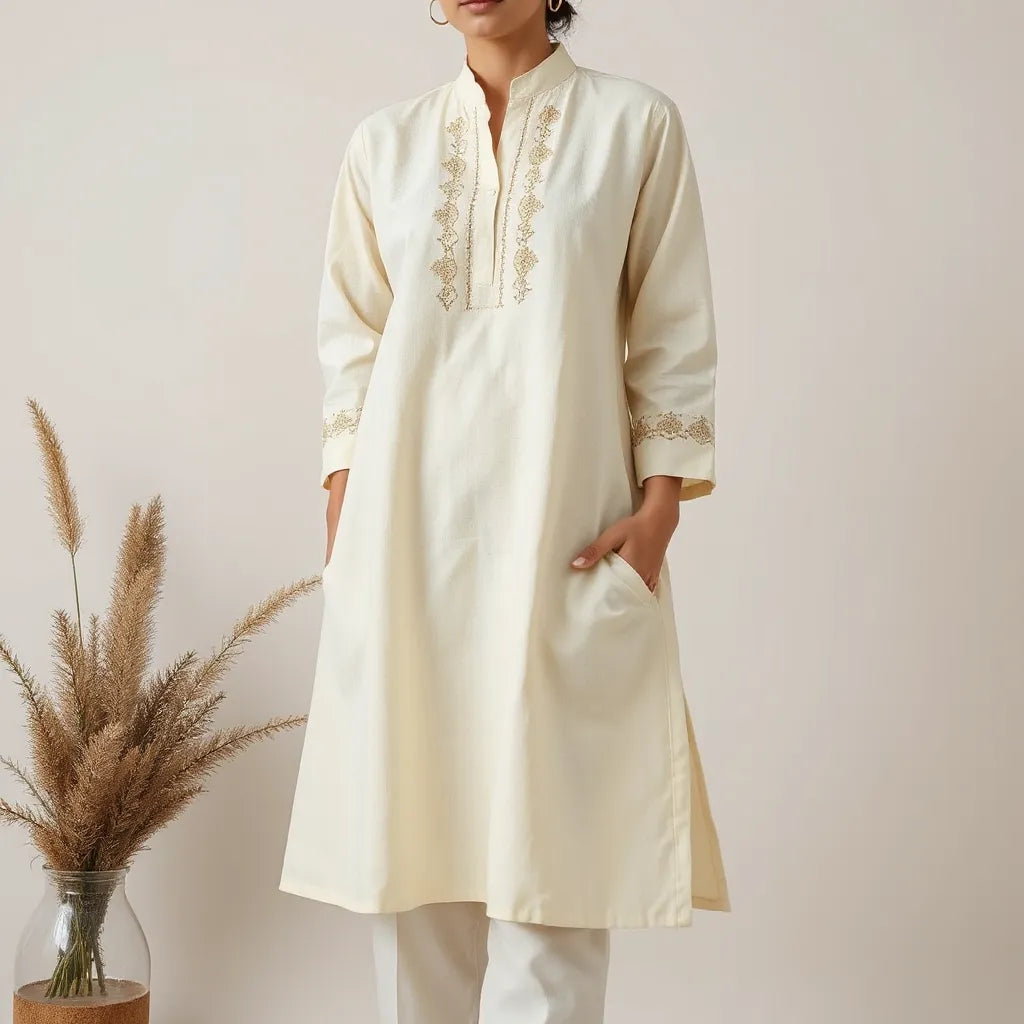
- Distinct design details: Artisan processes often include measured embroidery, structured detailing, or refined paneling that creates recognizable character without relying on fast changes.
- Longer useful life: Better stitching and finishing reduce early loosening and fraying, supporting repeated wear and reliable appearance over time.
- Cultural preservation and maker empowerment: When techniques are protected and taught, traditional craftsmanship continues. That connection can be meaningful, especially when clothing reflects heritage and community identity.
For many shoppers, the most persuasive benefit is not a single “premium” label. It is the difference you feel in daily use: steadier fit, calmer drape, and fewer issues that require replacement. When craftsmanship is aligned with practical needs, artisan-crafted clothing becomes a wardrobe foundation rather than a short-term trend.
In a family-owned boutique context, this approach also matters. Palestinian Elegance is dedicated to cultural preservation and empowering local artisans. The focus remains on careful artistry and modest wear design, including high-quality Tatreez (hand-embroidery) and artisan-made Kuffiyehs. The mission is not only to create garments, but to support the people and techniques that keep them alive.
If you are building a modest wardrobe, consider starting with a versatile foundation piece and then adding accents that demonstrate craft. A subtle textile detail can transform an outfit while still maintaining day-to-day wearability.
How craftsmanship improves fit and drape
Fit begins with patterning, but it is finished by construction. Seams, hems, and panel joins determine how fabric moves when you sit, walk, or lift your arms. Artisan makers often standardize these points with precision so the garment falls naturally instead of pulling at the wrong places. The outcome is a garment that looks structured while remaining comfortable.
Why textile choice matters more than appearance
A fabric may look correct in a photo, but performance is what you experience. Fiber quality can influence how warm a garment feels, how well it resists wrinkling, and how gently it drapes across the body. Craft-focused sellers often select textiles based on known behavior rather than purely visual impact, which improves confidence in repeated use.

Hands stitching patterned fabric with measured alignment
Quick Tips for Choosing the Right Pieces
When shopping for artisan-crafted clothing, you can evaluate quality without advanced tools. Use these checkpoints to compare options quickly and select garments that match both your style and your comfort requirements.
- Inspect seam finish: Look for even stitching and clean edges at seams and hems. Loose threads and irregular spacing are common early signals of reduced durability.
- Check fabric recovery: If the fabric includes stretch, it should return toward its original shape after gentle handling. Excessive bagging suggests weak recovery.
- Evaluate panel alignment: Artisan construction often keeps pattern and seams aligned across the garment. Misalignment may shift the way the garment hangs.
- Look for disciplined detailing: Hand-embroidery and tailored finishes should appear consistent in spacing and placement.
- Consider your lifestyle use: Choose breathable fabrics for daily wear and structured pieces for events. Comfort increases when the garment matches your routine.
- Verify care expectations: A garment that requires unrealistic care may not fit your schedule. Prefer care instructions you can follow consistently.
If you want to build a cohesive modest wardrobe, coordinating underlayers can significantly improve how outer pieces sit. Many customers prefer starting with reliable base layers and then adding statement craftsmanship on top.
Use internal links to find craftsmanship-led modest essentials
When selecting hijab styles and modest accessories, you can align your wardrobe for comfort and presentation. Consider exploring garment categories that emphasize textile quality and careful construction:
- Syrian-style open bonnet for supportive everyday wear
- Soft chiffon hijab options for fluid drape and gentle movement
- Modern dress with embroidery focus when you want visible craftsmanship
- Simply styled abaya to anchor an elegant capsule wardrobe
Summary and Next Steps
Artisan-crafted clothing is a practical choice for shoppers who value durability, comfort, and disciplined design. The advantage is cumulative: controlled stitching, thoughtful fabric selection, and careful finishing work together to improve fit and drape. When you compare garments using simple quality checkpoints, you reduce uncertainty and increase satisfaction.
Next, decide what you need most in your wardrobe. If your priority is dependable daily comfort, begin with supportive base pieces and breathable textiles. If your goal is a signature look, select artisan details such as embroidery-led finishing while keeping silhouettes versatile. You will build a wardrobe that feels intentional, not accidental.
As you explore options, remember that craftsmanship is not only a visual style. It is a method. Choose garments that reflect process, not just presentation, and you will likely enjoy the benefits over time.
Q&A
What makes artisan-crafted clothing different from mass-produced clothing?
Artisan-crafted clothing is shaped by skilled makers who control construction details such as seam tension, finishing, panel alignment, and textile behavior. Mass-produced garments often prioritize speed and uniformity, which can reduce consistency at stress points. The differences become visible in drape, comfort, and how well the garment holds its appearance after repeat wear.
How can I assess quality when shopping online?
Online shopping requires focused evaluation. Review product descriptions for materials and finishing methods, look for clear images of stitching and hems, and check whether care instructions are specific and reasonable. If a garment includes craftsmanship such as hand-embroidery, confirm placement consistency and whether the description explains the method. Also consider customer-facing guidance on fit and layering so you can anticipate how the garment will perform.
Is artisan-made clothing worth the investment?
For many shoppers, it is worth it because quality often affects lifetime wearability. Better construction can reduce early loosening, help garments retain shape, and improve comfort through steadier drape. Even when the upfront cost is higher, the overall value can increase when you buy fewer replacement pieces and enjoy a consistent look over time.
How should I care for artisan-crafted pieces to extend their lifespan?
Follow the garment-specific care instructions and choose gentle washing practices when appropriate. Avoid harsh detergents that can degrade fibers and embroidery over time. For garments with detailed finishing, consider washing with care and drying methods that preserve textile structure. When in doubt, air-dry and store items in a way that prevents unnecessary stretching or friction.
Can modest wardrobe layering improve comfort and style?
Yes. Layering supports how fabric sits and moves. Underlayers can reduce friction, create smoother lines, and help outer pieces fall in a controlled way. When you select compatible textures and supportive base garments, you improve both comfort and presentation, especially in garments designed for extended wear.
About the Author
Sulieman Alhazma is an editor and content specialist focused on modest fashion, cultural craftsmanship, and shopper-focused garment guidance. With expertise in evaluating quality signals such as fabric behavior and construction details, Sulieman helps readers make informed choices that balance aesthetics and everyday comfort. This article reflects a practical approach to understanding artisan-made work and caring for garments responsibly. Thank you for reading, and may your wardrobe decisions feel clearer and more confident.
Disclaimer: This article provides general shopping and care guidance. Always follow the specific instructions included with each garment, and consider testing care methods on a small area when appropriate.
The content in this blog post is intended for general information purposes only. It should not be considered as professional, medical, or legal advice. For specific guidance related to your situation, please consult a qualified professional. The store does not assume responsibility for any decisions made based on this information.