

Updated on: 2026-07-14
Comfortable lightweight hijabs help you maintain a polished look while staying at ease throughout the day. The right fabric weight, thoughtful drape, and a reliable inner layer can improve breathability and fit. When you match the hijab structure to your styling needs, you reduce shifting and refresh the overall appearance of your outfit. This guide explains practical myths, selection criteria, styling steps, and common questions so you can choose with confidence.
Myths vs. Facts
Myth: Lightweight hijabs always look thin or underdressed. Fact: A well-cut drape and proper layering can create full coverage and a refined silhouette without added bulk.
Myth: Comfort is only about fabric softness. Fact: Comfort also depends on how the hijab holds its shape, how it sits at the neckline, and how smoothly it moves with your head and shoulders.
Myth: You must choose between breathability and coverage. Fact: Coverage comes from construction and fit, while breathability comes from fabric behavior, airflow, and an inner layer that reduces friction.
Myth: Any inner cap works for every lightweight hijab. Fact: Inner caps vary in structure and seam placement. Matching the inner piece to the hijab style reduces slipping and improves overall comfort.
Step-by-Step Guide to Choosing Comfortable Lightweight Hijabs
Choosing comfortable lightweight hijabs is easier when you evaluate your needs first. Start with how you will wear them, then confirm the fabric behavior and construction. The goal is a hijab that feels light to the touch, settles neatly on the head, and stays in place without constant adjustment.
1) Identify your primary use case
Decide whether you need daily wear ease, office-ready polish, or travel-friendly movement. For long hours, prioritize softness plus stable drape. For events, prioritize a structured fall and a secure neckline.
2) Choose fabric weight that matches your climate
“Lightweight” should still feel substantial enough to avoid transparency concerns. Fabrics such as soft chiffons and premium flow styles often provide an airy feel while maintaining coverage when styled with an appropriate underlayer.
3) Confirm the drape and hand feel
Lift and spread the fabric gently to observe how it falls. A comfortable hijab should glide without snagging. If the fabric catches easily, it may shift more and require frequent smoothing.
4) Decide on an inner support layer
An undercap or inner hijab can transform the fit. The right inner layer helps the hijab sit flat, reduces friction, and prevents gaps at the neckline. If you prefer a clean silhouette, select an inner piece that aligns with your preferred coverage level.
5) Match style structure to your preferred look
Different wrap methods create different visual lines. If you prefer a smooth, close fit, a style that tucks neatly and maintains alignment is often best. If you prefer gentle volume, choose drape-friendly fabric and allow controlled movement.

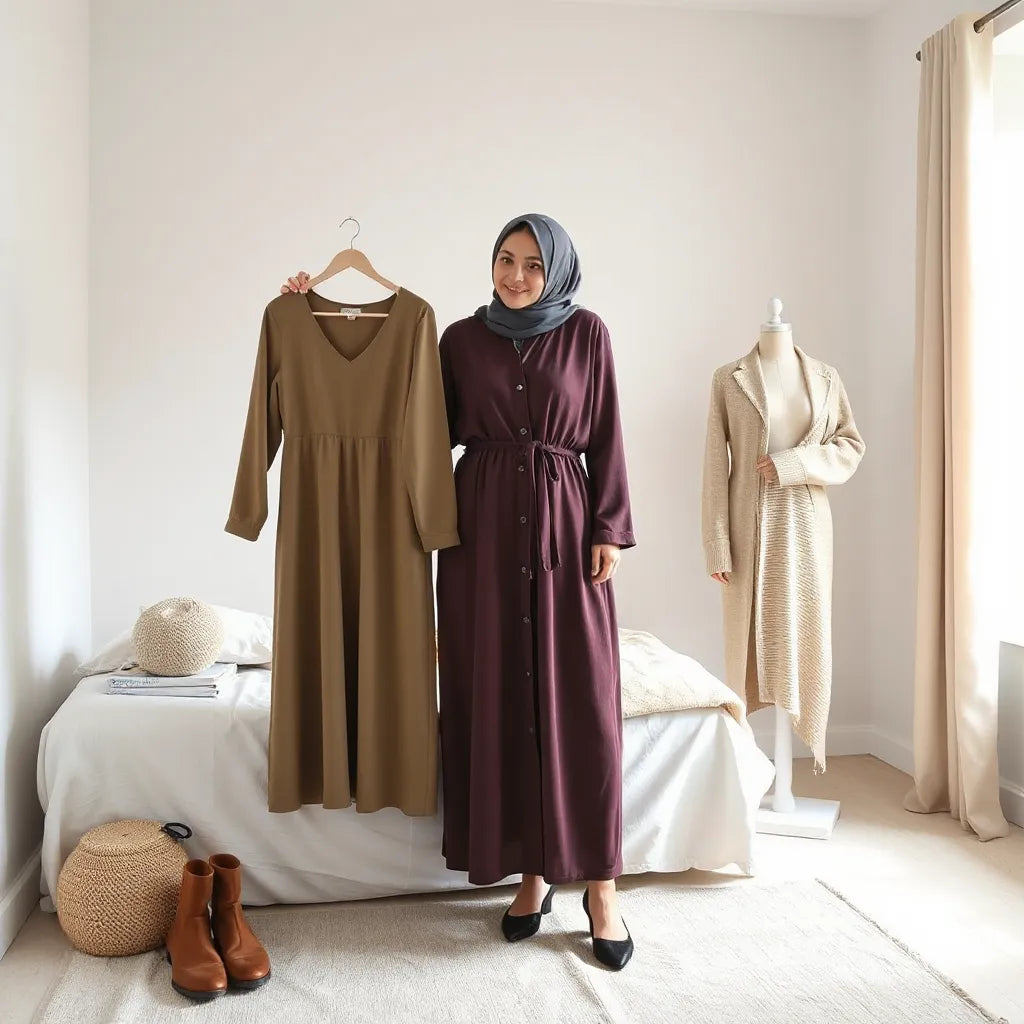
Layered silhouettes, soft fabric drape, smooth neckline alignment
6) Evaluate color stability and surface texture
Comfort also includes how the fabric responds to daily handling. Look for fabric that maintains its feel after washing and avoids roughness over time. Surface texture should remain consistent so the hijab continues to look polished and feel smooth against the skin.
Here is an example of how the right fabric category can support a lightweight styling approach:
Kamta,
If you are exploring styling options, you can also review a related choice from our collection using this link: Premium soft chiffon hijab. For those who prefer a smooth, close-to-head approach, the underlayer can matter as much as the outer fabric, and you may find help by browsing cotton under-scarf bonnet.
How to Style for Better Fit and Movement
Style decisions influence comfort. Even the finest fabric can feel fussy if the wrap method creates tension. Begin with an inner layer that sits comfortably, then arrange the hijab so weight is distributed evenly across the head and shoulders.
Start with a stable base
Use an inner bonnet or underscarf that matches your preferred neckline coverage. This base should be snug without pulling. When the base is stable, the outer hijab will require less readjustment.
Use lightweight tension, not pressure
When wrapping, apply gentle tension at anchor points rather than pulling the fabric across the scalp. Light pressure allows the hijab to move naturally, which improves comfort and reduces shifting.
Align the edges before securing
Before fastening, check alignment at the forehead and the sides of the head. Smoothing the seam lines early prevents later bunching, which can create discomfort as the day progresses.
Choose pins carefully and strategically
If you use pins, place them where they support structure without pressing into the skin. Avoid placing them directly on sensitive areas. A small number of well-positioned pins can keep the hijab secure while preserving a soft look.
Balance coverage with drape
For a clean front, ensure the fabric lies flat and does not fold unnecessarily. For shoulder movement, allow a controlled drape along the sides. The aim is a hijab that looks deliberate but still feels light when you turn your head.
If you are interested in a style approach that prioritizes secure structure and a neat neckline, explore options such as syrian-style closed bonnet for a more grounded fit.

Hand guiding a drape, gentle pin points, balanced shoulder fall
Care for Shape, Color, and Long-Lasting Comfort
Comfort increases when your hijab keeps its intended shape and texture. Lightweight hijabs often demand more thoughtful care than heavier fabrics because delicate fibers can lose softness when handled incorrectly.
Wash with fabric-friendly settings
Follow care instructions on each fabric type. In general, use mild cleaning methods and avoid harsh agitation. If you machine wash, place the hijab in a protective wash bag to reduce friction and surface wear.
Dry to preserve drape
Air drying typically helps maintain drape. Spread the hijab flat or hang it gently to avoid creases that can interrupt the fabric fall. Excess heat can reduce softness and change how the fabric behaves during wrapping.
Store without heavy folding pressure
Lightweight fabrics can crease easily. Store hijabs in a way that preserves the natural fall lines. If you fold, use light folds and keep stacks moderate to prevent permanent flattening.
Refresh the feel between washes
After wearing, let the fabric rest before storing. This helps reduce lingering friction and keeps the hijab feeling smooth for the next use. A light steam or gentle smoothing approach may improve appearance when appropriate for the fabric type.
Maintain inner layers for consistent fit
An underscarf or inner cap that remains elastic and smooth supports overall comfort. When inner layers lose their fit, hijabs shift more often, and comfort drops. Inspect inner pieces regularly and replace them when they no longer provide stable support.
Frequently Asked Questions
What makes comfortable lightweight hijabs stay in place?
Stability comes from a supportive underlayer, consistent drape, and secure fastening at key points. When the base fits well, the outer fabric can remain smooth and light.
Are lightweight hijabs suitable for formal settings?
Yes. Many lightweight fabrics offer an elegant fall that works well for events. The result depends on color coordination, fabric behavior, and the way the hijab is wrapped.
How do I prevent slipping without adding bulk?
Use gentle tension and strategic pin placement instead of heavy layering. A well-fitting inner bonnet or underscarf can improve grip at the neckline while keeping the overall look light.
Summary & Key Takeaways
Comfortable lightweight hijabs are defined by more than fabric weight. Comfort also comes from fit, drape, neckline support, and maintenance habits that preserve softness and shape. When you choose the right fabric category, pair it with a compatible inner layer, and use a balanced wrap technique, you get a hijab that feels easy and looks refined. If you want to explore curated fabric options, visit Palestinian Elegance and review selections that align with your preferred coverage and movement.
Q&A Section
How can I tell if a hijab is truly lightweight or simply thin?
Lightweight comfort is about how the fabric moves, breathes, and holds coverage. A hijab can be thin to the eye but still feel lightweight if it falls smoothly and is styled with a supportive inner layer. Check the drape by wrapping it and observing whether it settles without pulling or stiffness.
What is the best way to reduce neckline gaps with a lightweight wrap?
Begin with an inner cap or underscarf that sits securely at the crown and neckline. Then align the outer hijab edges before fastening. If you notice shifting, adjust the anchor points rather than tightening across the head, which can reduce comfort.
Which styling method helps minimize constant readjustment?
Methods that distribute tension across structured anchor points typically reduce readjustment. Keep the front neat, allow controlled drape at the sides, and secure with minimal pins where they support alignment. When you maintain a stable base layer, the outer fabric requires less frequent smoothing.
Can I mix lightweight fabrics with different underlayers?
Yes, mixing is possible, but consistency matters. Match underlayers to the outer fabric behavior so the hijab remains comfortable and stable. If you switch fabrics often, keep notes on which inner cap provides the best fit for your preferred wrap style.
About the Author
Sulieman Alhazma is a specialist in modest fashion guidance and fabric-aware styling, with a focus on practical comfort and refined presentation. He supports customers in choosing pieces that work together, from inner layers to outer drape. His work reflects an emphasis on thoughtful wearability and long-term confidence. Thank you for reading and for caring about details that make everyday styling easier.
Disclaimer: This article provides general styling guidance. Fabric performance can vary by weave, care routine, and personal comfort preferences. Always follow the care instructions provided for each hijab and inner layer.
The content in this blog post is intended for general information purposes only. It should not be considered as professional, medical, or legal advice. For specific guidance related to your situation, please consult a qualified professional. The store does not assume responsibility for any decisions made based on this information.