
Updated on: 2026-08-07
cultural dresses for women connect everyday style with heritage and craftsmanship.
This guide explains how to choose silhouettes, fabrics, and details that flatter your lifestyle while honoring cultural meaning.
You will learn practical styling approaches for seasonal wear, plus how to care for delicate embroidery and structured trims.
By the end, you will have a clear checklist for selecting pieces that feel authentic, comfortable, and enduring.
1. Why cultural dresses matter
4. How to choose cultural dresses for women
5. Styling for daily life and special occasions
1. Why cultural dresses matter
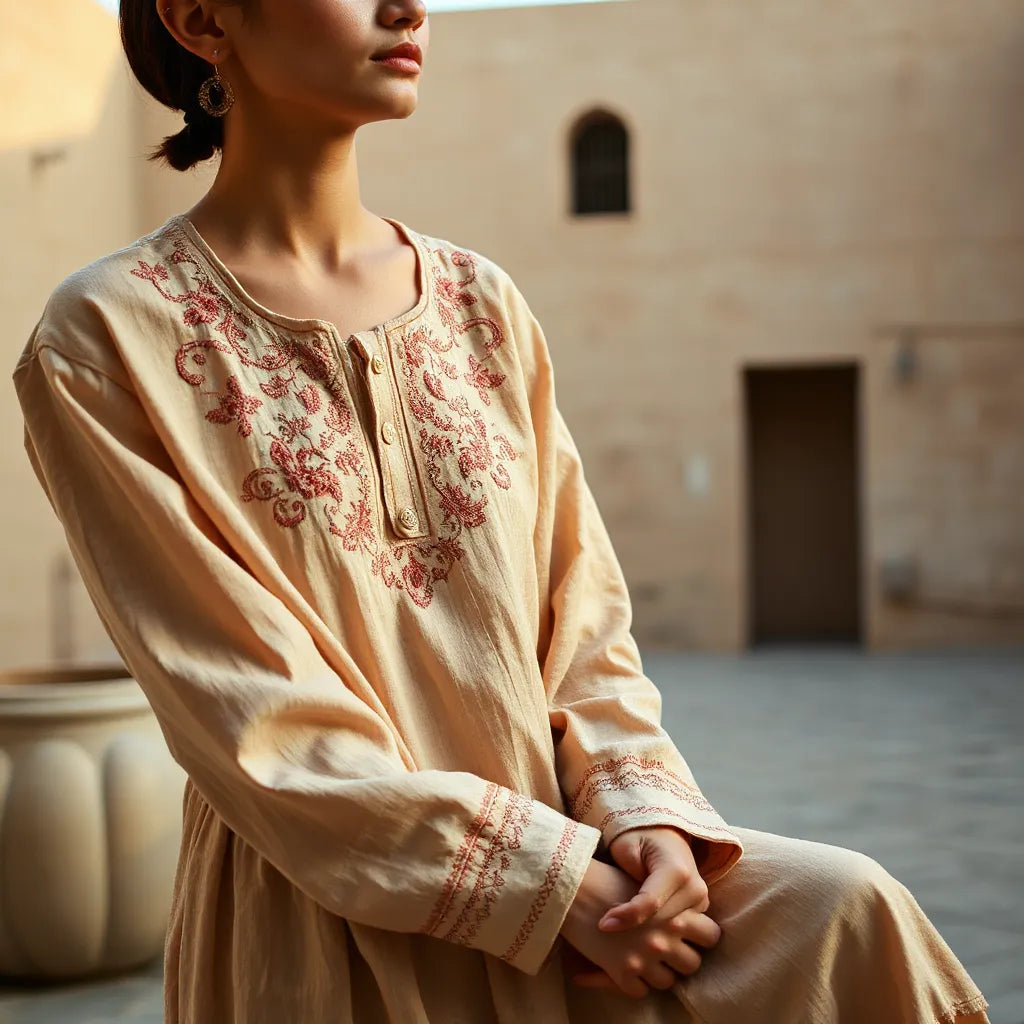
cultural dresses for women are more than garments. They are wearable records of regional identity, seasonal adaptation, and artistic skill. Many traditional dress codes developed to support comfort in specific climates while reflecting values around modesty, community, and celebration.
From embroidered details to distinctive necklines and sleeves, cultural dressing often communicates craftsmanship that has been refined over generations. When you wear these styles, you participate in a living tradition rather than simply choosing an aesthetic.
At the same time, cultural fashion can be practical. With the right fabric and fit, traditional silhouettes can move easily from formal events to day-to-day routines. The key is selecting pieces that align with your comfort needs while keeping the design language intact.
2. Myths vs. Facts
-
Myth: Traditional dresses are only for formal events.
Fact: Many designs translate well to casual settings when paired with simple layers and comfortable footwear. -
Myth: Modest style limits variety.
Fact: Modesty can coexist with diverse silhouettes, including flowing shapes, tailored structures, and layered styles. -
Myth: All traditional fabrics feel heavy or restrictive.
Fact: Breathable cotton, lightweight chiffons, and flexible jersey-like blends can create movement without adding bulk. -
Myth: Embroidery and handwork require complicated care.
Fact: With gentle washing and proper storage, detailed textile work can remain vibrant for years.
3. Personal perspective
I grew up watching family members prepare for gatherings with a quiet focus on presentation. The process was never rushed. It involved selecting colors, checking the way the fabric draped, and confirming that the finishing details sat neatly. I noticed that the same dress could feel entirely different depending on how it was styled with layers and accessories.
That experience shaped my understanding of cultural dresses for women as a craft of coordination, not just a single item. Even when a garment is visually strong on its own, the overall impact depends on complementary pieces, fabric harmony, and comfort. This is also why modern wardrobes benefit from traditional anchors that can be mixed with contemporary basics.

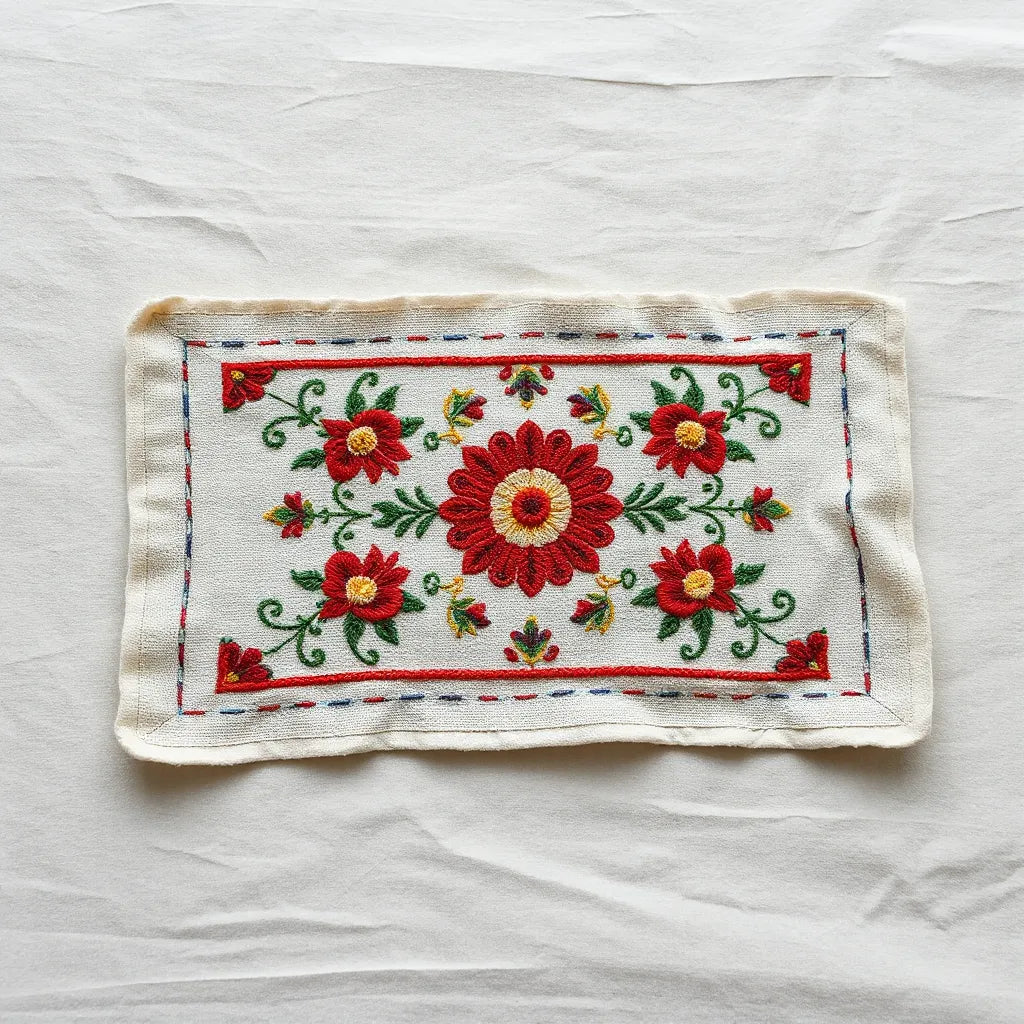
Layers, drape lines, and embroidery textures concept board
4. How to choose cultural dresses for women
Choosing cultural dresses for women becomes easier when you approach it like a wardrobe system. Start with function, then match the artistic elements that make the style feel authentic. Use the checklist below to guide decisions.
Silhouette and fit that support your movement
Look for a silhouette that complements your daily routine. If you spend time sitting, consider designs with comfortable waist shaping and enough ease through the shoulders and upper arms. If you prefer a flowing look, prioritize fabric that drapes smoothly and maintains structure around key seams.
Pay attention to length as well. A hem that skims the ankle can feel elegant while still practical. Shorter lengths may work for specific settings, but for most modest styling goals, longer hems provide easier styling and fewer adjustments.
Fabric choice for comfort and climate
Traditional aesthetics depend on fabric behavior. For warmer days, breathable textiles are essential. For cooler seasons, a fabric with better insulating weight can help. Many women also value fabrics that resist excessive wrinkling because it keeps the look tidy.
If your style includes layering, you may want a base fabric that pairs well with lightweight outer pieces. Chiffon textures often add movement and an elegant finish, while cotton supports everyday comfort and easy wear.
Color palette and motif meaning
Color and motif communicate identity. Choose tones that harmonize with your existing wardrobe so the dress can be used more often. If you want the garment to be the focal point, select a color that feels balanced and timeless. If you prefer a softer look, choose muted shades and let the embroidery and trim create visual interest.
Motifs are not only decorative. They often follow regional patterns, textile traditions, and community preferences. When you recognize a motif as part of a dress tradition, you can select pieces with greater confidence and appreciation.
Details that signal quality
Quality is most visible in finishing details: consistent embroidery density, clean seams, stable lining (when included), and a neckline that holds its shape. Strong craftsmanship also shows in how the garment aligns at joins and how it keeps its design lines after wear.
If the dress includes decorative elements, verify that the embellishments are secure. Delicate work should feel intentionally placed, not loosely attached. This matters for long-term wear, particularly when you plan to use the dress for repeat occasions.
For women building a complete modest look around a cultural dress, head and inner layers should be chosen with the same care as the garment itself. A well-coordinated foundation improves comfort and keeps proportions balanced.
Explore complementary modestwear options, such as an inner style that supports a smooth drape, by reviewing cotton inner hijab or a lightweight chiffon layer from premium soft chiffon hijab.

Checklist icons for fabric, neckline, and embroidery care
5. Styling for daily life and special occasions
Once you select a dress, styling determines whether it feels modern, effortless, and appropriate for the setting. A cultural wardrobe should be flexible. The same garment can suit multiple moments with small adjustments.
Daily wear: keep the focus on comfort
For everyday use, aim for simple lines. A cultural dress can be paired with understated footwear and a bag that matches the color temperature of the dress. If your day involves movement, prioritize breathable underlayers and secure head coverings that stay in place.
Choose one statement element rather than multiple. If the dress has ornate embroidery, keep accessories minimal. If the dress is more subdued, you may add a refined belt or a structured outer layer to enhance shape.
Festive and ceremonial: balance elegance with modest layering
For weddings, cultural celebrations, and family gatherings, visual richness matters. The dress becomes a centerpiece. Select accessories that do not compete with embroidery and trim. Consider subtle shine in jewelry, and choose shoes that match the outfit’s tone.
When you include a head covering, coordination is important. A well-chosen style can frame the face and support the dress’s neckline. If you want a neatly styled head shape, consider a product designed for structured comfort, such as Syrian-style open bonnet as a base for drape stability.
Layering ideas that maintain the dress’s identity
Layering should enhance the original design rather than cover its identity. Use a light outer layer for temperature changes, and select fabrics that fall smoothly. Avoid adding heavy materials that disrupt the garment’s proportion.
If your cultural dress features detailed sleeves or neckline work, keep additional layers simple. Let the craftsmanship remain visible where appropriate.
6. Care and maintenance
To keep cultural dresses for women looking refined, treat them as textile heritage pieces. Gentle maintenance protects embroidery, preserves color, and supports long-term drape.
Washing and drying practices
Follow the garment instructions, but generally use a gentle wash cycle and mild detergent. If the dress includes embroidered sections, consider washing inside a protective mesh bag. This reduces friction and helps maintain thread integrity.
Air-drying is usually the safest option for delicate fabrics. Use a shaded area to protect color from intense sun exposure. When needed, steam lightly to restore shape. Excess heat can weaken fibers over time.
Storage that prevents wear
Store dresses in a breathable garment bag. Avoid plastic covers that trap moisture. For embroidered or textured pieces, place tissue paper between folds to reduce pressure points.
Do not overpack. When items compress each other, decorative elements can deform. Use padded hangers for structured garments and fold carefully when the silhouette is more fluid.
Repairs and refresh planning
Small repairs help extend the lifespan of a dress. If threads loosen around embroidery, address them promptly. A careful repair prevents the damage from spreading into seams or bordering trim.
Refresh the look by re-pressing collars and smoothing hems before wear. This is often enough to restore the original presentation.
7. Final thoughts and takeaways
cultural dresses for women offer a reliable blend of identity, artistry, and style. The best results come from viewing the garment as part of a wardrobe system: silhouette, fabric behavior, head and inner layers, and careful coordination. When you choose thoughtfully and care consistently, cultural pieces can remain wardrobe essentials rather than occasional items.
Use the selection checklist to prioritize comfort first, then match the design details that reflect heritage. With intentional styling, you can create outfits that feel both timeless and personal.
8. Q&A
How do I choose cultural dresses for women if I am new to traditional styling?
Start with a silhouette that feels familiar in cut and comfort. Choose a breathable fabric and a modest neckline that you can wear confidently. Then focus on one signature feature, such as embroidery placement or trim detailing. Finally, select coordinating head and inner layers that support a stable drape so the outfit feels effortless.
What fabrics work best for warm weather?
Breathable options such as cotton and lightweight chiffon blends are often ideal for warmer conditions. Look for textiles that move with your body rather than clinging. If the dress includes structured elements, ensure there is adequate ventilation through the main fabric so comfort remains consistent throughout the day.
How can I preserve embroidery and delicate details over time?
Use gentle washing methods and mild detergent, and avoid rough friction during cleaning. Air-dry in shaded areas, and steam carefully at a safe distance. Store the dress in breathable coverage and keep it uncompressed. Address loose threads early to prevent broader damage.
About the Author
Sulieman Alhazma is an editor and fashion strategist with expertise in modest wear styling, textile presentation, and culturally informed wardrobe building. With a focus on craftsmanship and functional elegance, Sulieman helps readers translate heritage design principles into modern everyday choices. The goal is simple: wear with confidence, care with intention, and choose pieces that last. Thank you for reading.
Disclaimer: This article provides general fashion guidance for styling and care. Always follow the product instructions for washing, drying, and storage. If you have specific concerns about fabric sensitivity or garment maintenance, consult the care guidance provided by the manufacturer.
The content in this blog post is intended for general information purposes only. It should not be considered as professional, medical, or legal advice. For specific guidance related to your situation, please consult a qualified professional. The store does not assume responsibility for any decisions made based on this information.