
Updated on: 2026-08-08
Palestinian craftsmanship apparel connects everyday dressing with heritage skills passed down through generations. It emphasizes careful hand-finishing, durable materials, and thoughtful design lines. When you choose well-made modest wear, you support artisan livelihoods while improving comfort and fit. This guide explains how to evaluate quality, care for garments, and build a versatile wardrobe around artisanal pieces.
Palestinian craftsmanship apparel: why it matters
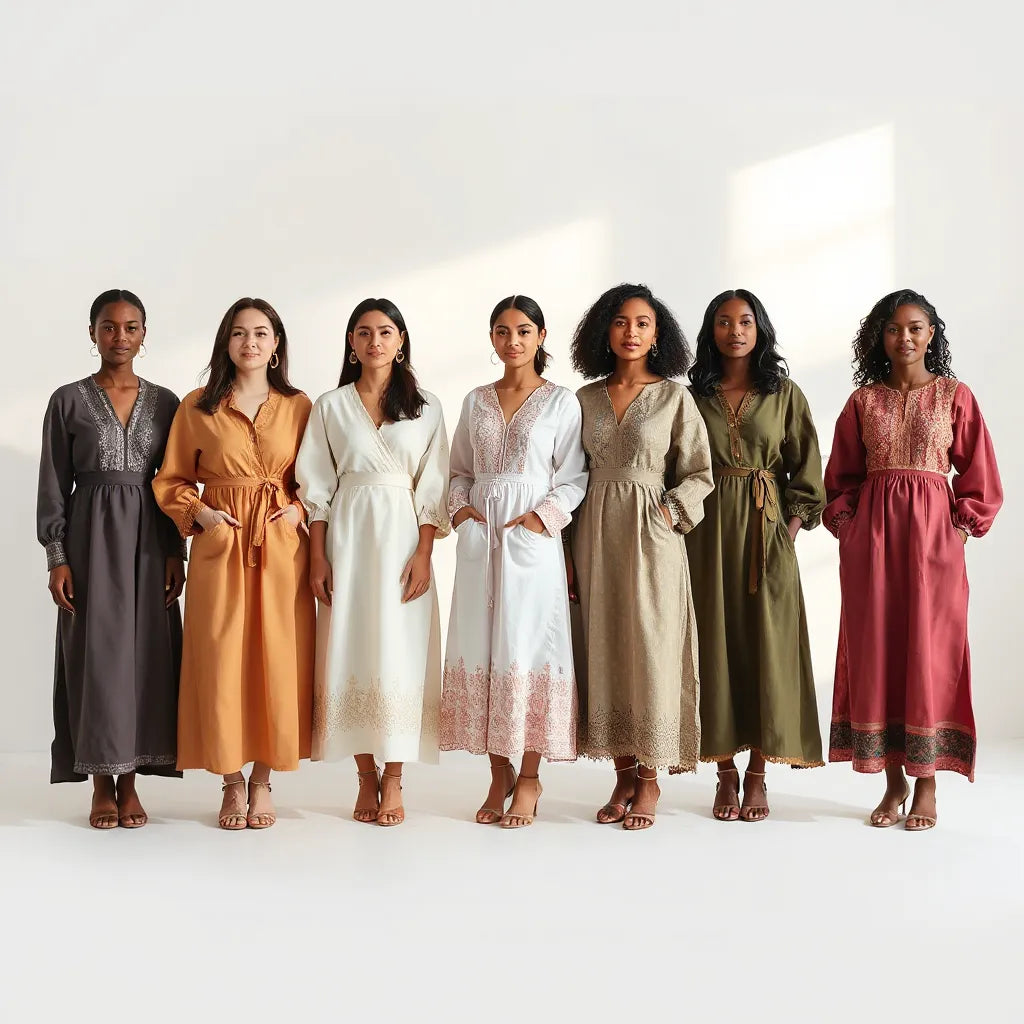
Palestinian craftsmanship apparel is more than clothing. It is a wearable record of skill, patience, and identity. In artisan-led production, garments often reflect regional motifs, balanced proportions, and a focus on how fabric behaves over time. For many people, modest dressing also becomes a practical expression of values: comfort, coverage, and personal presentation without excess. When these priorities come together, your wardrobe gains pieces that look refined and feel reliable.
At the same time, not all “heritage-inspired” items meet the same standards. Quality can vary widely depending on material selection, stitching methods, and finishing. A clear evaluation process helps you select apparel that maintains its shape, keeps its color, and supports long-term wear. The result is simple: fewer replacement purchases and more confidence in what you wear.
Essential Tips for choosing artisanal modest wear
- Look for craftsmanship cues: even seams, consistent stitch tension, and clean finishing edges.
- Prioritize fabric integrity: choose textiles known for stability and comfortable drape in everyday conditions.
- Check garment structure: ensure openings, closures, and hems align for a balanced silhouette.
- Respect color discipline: select tones that pair easily with existing items to reduce styling friction.
- Confirm intended wear style: everyday versatility should match the garment’s design density and layering needs.
- Use care guidance before purchasing: items with delicate detailing often require gentler cleaning methods.
Detailed Step-by-Step Process to evaluate quality
Use this step sequence before selecting Palestinian craftsmanship apparel. It prevents guesswork and helps you compare items more consistently.
Step 1: Inspect construction from the inside out
Start with the interior. Well-made garments typically show tidy finishing, stable seam allowances, and minimal fraying. Pay attention to underlayers and linings, because these determine comfort during movement and reduce fabric stress at contact points.
Step 2: Examine stitching and edge finishing
Hand-embellished or artisan-detailed textiles should have visible uniformity. Stitches should follow planned lines without loose loops. Edges should be sealed or finished in a way that prevents gradual unraveling.
Step 3: Test drape and weight, not only appearance
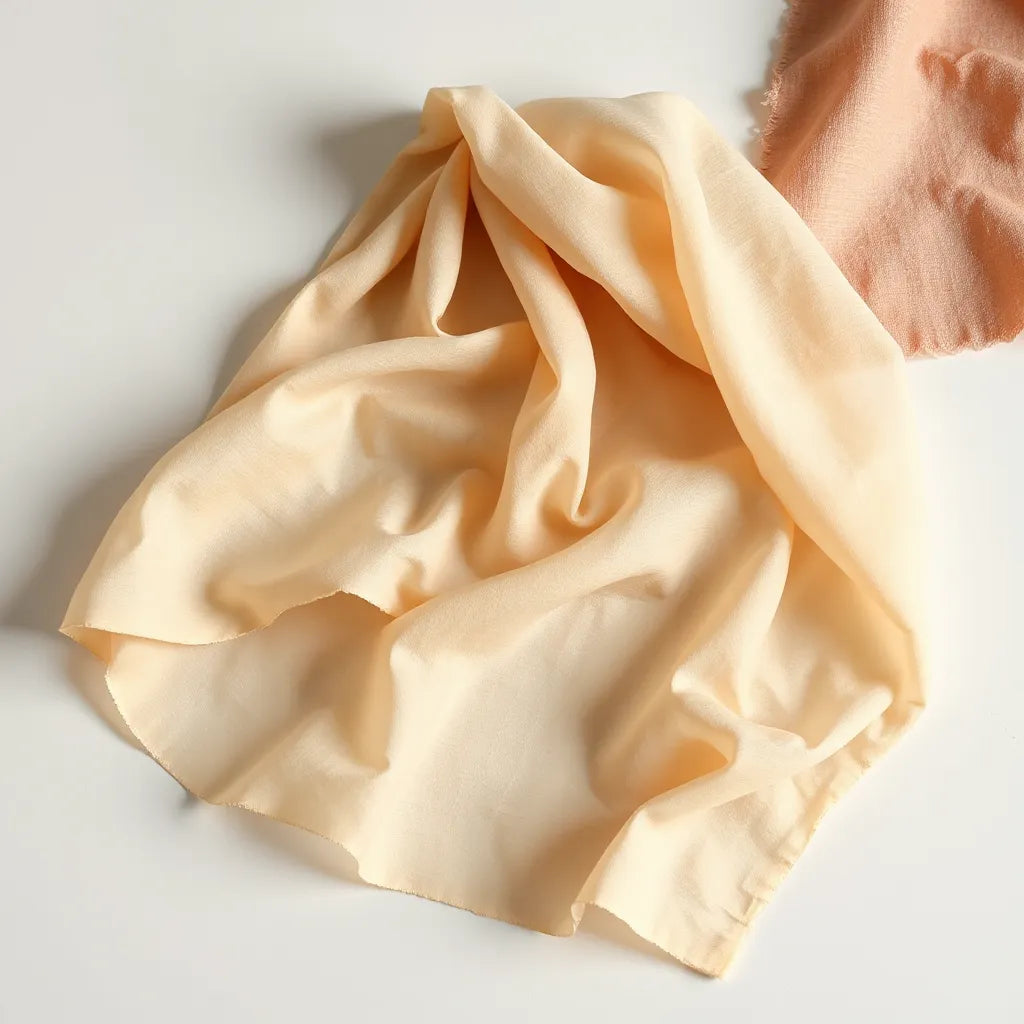
Quality fabrics behave predictably. When held up to light, stable material should not show excessive thinness in stress areas. For modest garments, drape influences coverage and comfort, especially when walking, sitting, or layering.
Step 4: Verify sizing logic and coverage goals
Modest wear often needs consistent coverage at shoulders, neckline, and sleeves. Compare garment measurements with how you plan to style it. If you add inner layers, confirm that the outer piece still allows comfortable movement.
Step 5: Choose a finishing level aligned to your lifestyle
Some pieces are designed for statement occasions; others are built for regular use. Select embellishment density based on how often you will wear the garment and how frequently you will clean it.

Cross-section view: neat seams, tidy edges, stable layers
Step 6: Review care requirements before committing
Artisan detailing often benefits from controlled cleaning. If you avoid steam-only routines or do not plan to hand-wash delicate pieces, prioritize designs with durable finishes. This is not a limitation; it is a practical alignment between your habits and the garment’s needs.
Design and quality signals in Palestinian craftsmanship apparel
Design is where heritage becomes functional. In Palestinian craftsmanship apparel, you will often see intentional symmetry, balanced ornament placement, and careful attention to how a garment frames the body. These details are not decorative only; they affect longevity by distributing stress and maintaining form.
Motif placement that supports structure
When motifs or textile patterns are applied with thoughtful spacing, they reinforce visual balance and reduce uneven pull. Look for ornament placement that follows the garment’s natural movement lines rather than clustering in areas that stretch.
Hand-embroidery or artisan embellishment with consistent density
Hand-finished details can vary in appearance, yet they should still show coherent planning. Consistent density helps fabric remain stable and prevents small sections from becoming weak points.
Modest silhouettes that simplify daily styling
A well-designed modest garment typically reduces styling steps. Instead of fighting gaps or shifting layers, it holds a clean line. That line matters because it affects confidence, comfort, and how quickly you can get ready.
Fabric choices that support comfort and repeat wear
Quality modest wear prioritizes breathability, stable drape, and a finish that resists unwanted fading. Over time, you should expect the garment to remain pleasant against skin and to retain its shape through normal routines.
If you want a clear entry point into artisan-made modest style, consider exploring signature headwear and layering pieces from Palestinian Elegance. For example, the collection of cotton inner options can improve fit under scarves and support comfort across seasons: Cotton inner hijab.
Care and longevity: keep craftsmanship intact
Longevity is a direct indicator of craftsmanship. When garments are finished properly, they can withstand regular wear with sensible care. The most important principle is to treat artisan details as structural features, not as surface decoration.
Gentle cleaning for embellished textiles
For garments with embroidery, choose methods that reduce friction. Use mild detergents and avoid aggressive scrubbing on ornamented sections. If the garment allows it, washing in a protective mesh bag can reduce stress during agitation.
Drying practices that protect shape
Air drying is often the safest approach for maintaining drape. Lay flat when possible for structured items. For scarves and layered pieces, smooth the fabric into its natural contour and allow it to dry away from direct high heat.
Pressing and steaming with controlled heat
Heat management is essential. Use the lowest effective setting and test on an inconspicuous area when unsure. Steam can refresh fabric, but excessive direct contact can change finish and affect stitch appearance.
Storage that prevents snagging
Store modest wear away from sharp jewelry and items that catch thread. For embroidered textiles, consider wrapping in breathable fabric rather than compressing them into a tight space. Good storage supports both appearance and construction integrity.

Care checklist: gentle wash, soft drying, protected storage
Wardrobe ideas for modern routines with heritage values
Palestinian craftsmanship apparel integrates naturally into daily life when you build a cohesive system: base layers, coverage pieces, and occasional statements. The goal is consistency, not complexity. A well-planned wardrobe makes modest dressing simpler while keeping artisan details visible.
Start with reliable layering foundations
Inner pieces improve comfort and help outer garments sit correctly. Cotton-based options are especially useful for everyday wear because they support breathability and reduce slipping. If your routine includes scarf styling, inner layers often reduce readjustment and maintain a clean silhouette.
For versatile scarf pairing, you can review headwear styles such as Syrian cotton two-piece hijab. This type of design can streamline dressing by combining coverage and structure.
Add a signature outer layer for visual coherence
Choose outer garments that match your existing color palette. Neutral tones, deep jewel shades, and earthy pigments tend to coordinate well with many wardrobe items. With careful selection, you can wear one outer piece multiple times with different inner colors while preserving a consistent overall look.
Use artisan ornamentation strategically
Statement detailing performs best when balanced. If a garment includes embroidery or textile ornamentation, keep other wardrobe elements cleaner. This approach makes the craftsmanship the focal point while avoiding visual clutter.
Maintain repeat wear through comfort-first styling
Heritage does not require inconvenience. Select fits that allow movement. Ensure necklines and sleeves do not shift during the day. When comfort is stable, you will wear your items more frequently, and that is the true measure of wardrobe value.
Consider practical styling guidance
If you want additional direction for creating modest looks that remain simple through everyday schedules, this guide can support your styling routine: Modesty-Focused Fashion: Styling Tips for Everyday Wear.
Summary & Takeaway
Palestinian craftsmanship apparel offers a durable path to modest style with cultural depth. You can select high-quality pieces by inspecting construction, evaluating drape and structure, and matching the finishing level to your routine. Caring for garments with gentle cleaning, controlled heat, and mindful storage helps preserve embroidery and fabric integrity. When you build a wardrobe system of inner foundations and coordinated outer pieces, heritage becomes practical, and every outfit feels more intentional.
Q&A Section
How can I identify genuine craftsmanship details without specialized equipment?
Start with the basics: check seam neatness, edge finishing, and consistent stitching lines. Look for even density in any hand-applied ornamentation, and confirm that stress areas such as hems and openings appear stable. A simple visual scan from the inside and outside usually reveals whether the construction supports repeat wear.
What should I prioritize for comfort when wearing artisanal modest apparel?
Prioritize fabric drape, breathable feel, and a structure that stays in place. Comfort improves when inner layers align with coverage needs and when outer seams do not rub during movement. If the garment includes delicate detailing, ensure it does not create friction at contact points.
How do I protect embroidery and delicate textiles over time?
Use mild cleaning methods, avoid abrasive friction on ornamented areas, and choose protective drying practices. Allow garments to air dry away from intense heat, and store them in a way that prevents snagging. If the garment includes delicate embellishment, follow the care guidance provided for that specific piece.
Can Palestinian craftsmanship apparel work for both everyday and special occasions?
Yes. Many artisans create pieces that transition through styling changes rather than switching to entirely different wardrobes. Select the finishing level that matches your expected frequency of wear, and coordinate colors and inner layers so the silhouette remains consistent. With thoughtful layering, craftsmanship details remain elegant without becoming disruptive.
About the Author
Sulieman Alhazma is an experienced fashion content specialist with expertise in modest wear styling, textile quality assessment, and care-focused garment education. Their work emphasizes practical guidance that helps shoppers make confident choices based on construction and comfort. Sulieman also supports heritage-forward fashion by highlighting how artisan skills translate into long-lasting wardrobe value. Thank you for reading and for choosing craftsmanship with intention.
Disclaimer: This article provides general guidance on selecting and caring for modest apparel. Individual fabric compositions, embroidery processes, and manufacturer care instructions may differ, so always follow the care label and product-specific recommendations provided with each item.
The content in this blog post is intended for general information purposes only. It should not be considered as professional, medical, or legal advice. For specific guidance related to your situation, please consult a qualified professional. The store does not assume responsibility for any decisions made based on this information.