

Updated on: 2026-04-26
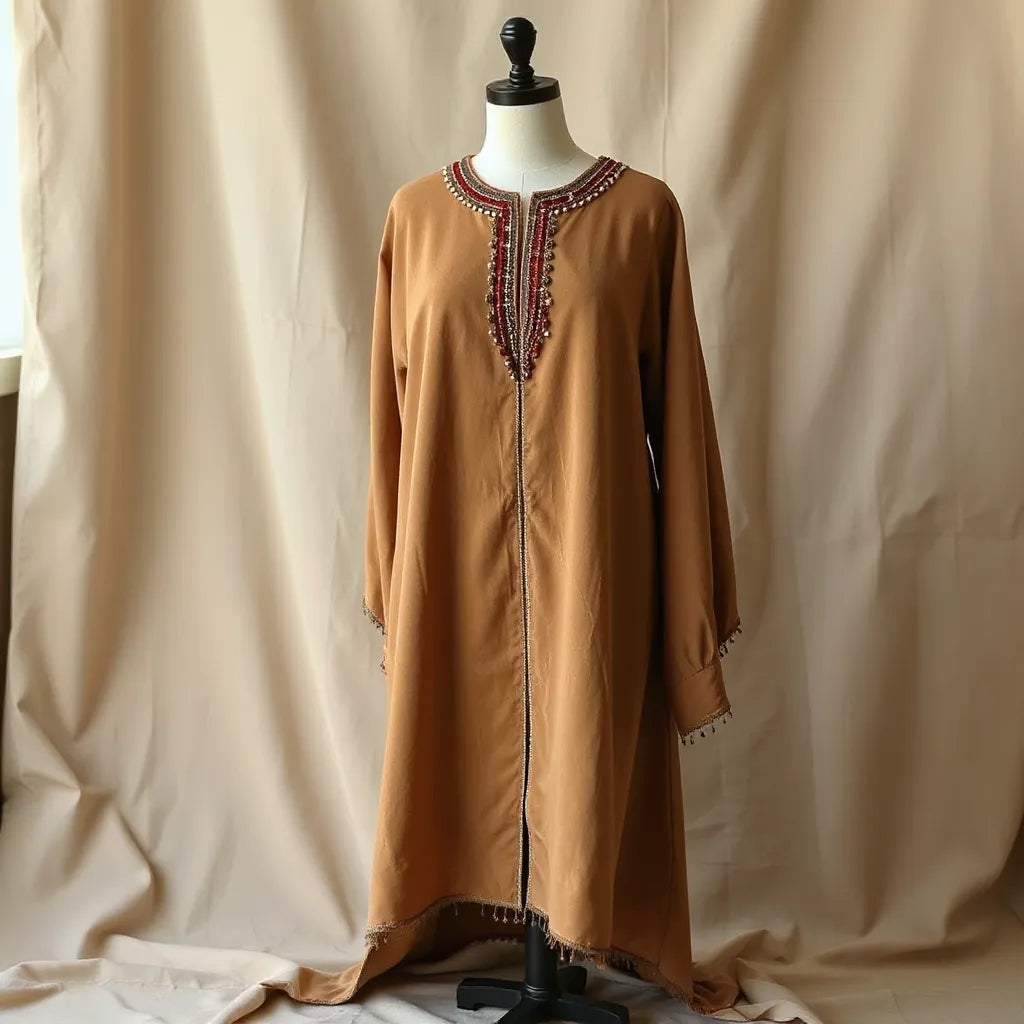
Heritage Hand-Beaded Velvet Thobe brings together deep color, refined texture, and careful beadwork. It is designed for comfort across long occasions while maintaining a polished silhouette. In this guide, you will learn how to assess craftsmanship, choose the right fit, and care for beaded velvet. You will also find practical styling and storage recommendations that help preserve its visual impact.
2. Comparison of Velvet Thobe Styles
3. What Makes It Heritage-Level Craft
4. Fit and Sizing Considerations
5. Styling for a Complete Look
Heritage Hand-Beaded Velvet Thobe: A Refined Choice for Timeless Occasions
Heritage Hand-Beaded Velvet Thobe is a wardrobe statement that balances tradition and elevated comfort. The velvet base provides a rich visual depth, while hand-applied beadwork adds dimensional detail that catches light with movement. If you want a thobe that looks intentional in photographs, feels comfortable throughout the day, and remains distinctive over time, this style offers clear advantages. This article explains what to look for, how to choose fit, and how to care for beaded velvet so it stays beautiful.
Palestinian Elegance is a family-owned boutique bridging Palestinian heritage with modern fashion. We specialize in high-quality Tatreez (hand-embroidery), modest wear, and artisan-made Kuffiyehs. Our mission is cultural preservation and empowering local artisans, which is why craftsmanship matters from first stitch to final bead.
Common Challenges
Even when a thobe is well made, buyers often face practical questions. The most common challenges include selecting the correct size, understanding how beadwork behaves over time, and ensuring the garment remains comfortable during extended wear. Below are focused solutions to help you make a confident choice.
Challenge 1: Choosing the correct fit without guessing
Velvet drapes differently than lighter fabrics, and beadwork can subtly influence how the garment lays. If the fit is too tight, bead edges may feel restrictive; if the fit is too loose, the silhouette may look less tailored. The solution is to measure your preferred fit range and compare it to the garment measurements when available.
- Choose a shoulder fit that sits naturally without pulling.
- Allow comfortable movement at the arms and torso.
- Prefer a length that supports the intended styling, especially with footwear choices.
Challenge 2: Caring for hand-applied beadwork
Beads can be durable, but they require gentle handling. Rough brushing or frequent ironing over beaded areas can dull the finish or loosen individual pieces over time. The solution is to clean thoughtfully, store properly, and avoid direct heat on decorative sections.
- Use careful spot cleaning when possible.
- Avoid ironing directly on beadwork.
- Store the garment flat or in breathable garment bags to reduce snagging.
Challenge 3: Making the thobe look cohesive for different settings
Velvet and beadwork attract attention, so styling should support the garment rather than compete with it. The solution is to build a calm foundation with compatible colors, minimal additional surface detail, and coordinated accessories.
- Choose a matching or complementary headpiece tone.
- Limit competing patterns near the same visual zones.
- Select footwear that maintains a neat line with the hem.

Warm light on textured velvet and stitched bead lines
Comparison of Velvet Thobe Styles
Not all velvet thobes are the same. Some styles emphasize a smooth finish, while others rely on decorative surfaces for impact. The Heritage Hand-Beaded Velvet Thobe is best compared with simpler velvet thobes and velvet pieces with lighter ornamentation. The comparison below helps you choose the look that matches your priorities.
If you want balanced elegance with heritage character, the Heritage Hand-Beaded Velvet Thobe typically offers the most refined compromise between presence and wearability.
What Makes It Heritage-Level Craft
The value of a Heritage Hand-Beaded Velvet Thobe begins with craftsmanship discipline. True heritage-level quality focuses on the structure of the garment and the consistency of its decorative work. When bead placement is even and stitching is stable, the garment maintains its beauty through repeated wear.
1. Velvet with depth and stable structure
Velvet should feel smooth to the touch while holding its appearance without excessive shedding. The best velvet has a balanced pile and resists flattening when stored properly. A stable base helps the beadwork remain aligned and prevents distortion of seam lines.
2. Hand-bead alignment and secure finishing
In hand-beaded designs, each piece of beadwork is positioned with care. You can often evaluate this by observing the regularity of lines and the way beads reflect light. Quality designs also use secure finishing so decorative elements do not loosen when the garment is worn and handled.
3. Sewing logic that supports comfort
A heritage-inspired thobe must be practical. Look for smooth seam construction and a consistent lining approach where needed. Comfort increases when the garment moves cleanly without pulling at the decorative zones.
When you build a wardrobe around artisan-made pieces, it also helps to plan complementary basics. For example, a well-matched modest layer can refine the overall look. You can explore options such as a suitable underscarf or inner hijab pairing from our collection, including underscarf bonnet styling guidance.
Fit and Sizing Considerations
Fit is one of the largest determinants of satisfaction with a Heritage Hand-Beaded Velvet Thobe. Velvet fabric has a signature drape, and beadwork adds subtle weight and visual texture. The goal is a silhouette that feels poised without restricting motion.
Practical fit guidelines
- Shoulders: Ensure the shoulder line sits correctly so the garment does not pull at the neckline.
- Chest and torso: Choose a comfortable range that allows natural movement for sitting and standing.
- Sleeves: Confirm sleeve length aligns with the style you prefer and that cuff or sleeve edges remain neat.
- Length: Select a hem length suitable for your occasion, balancing full coverage with tidy presentation.
How bead placement affects perceived fit
Beadwork can create a gentle stiffness in localized areas. This is normal in hand-decorated garments. If you prefer a softer feel, look for designs where beadwork is dense in decorative panels but not overwhelmingly across high-movement zones. If you prefer a strong statement, select a design with prominent bead lines and intentional visual grouping.
For those building a complete heritage-ready outfit, coordinate your headpiece and underlayers. A cohesive foundation helps the thobe remain the visual focus. You may also browse Syrian-style bonnet options to support a structured, elegant profile.

Balanced outfit styling with coordinated tones and gentle light
Styling for a Complete Look
Styling determines whether a Heritage Hand-Beaded Velvet Thobe reads as refined or overly busy. The garment already offers texture and sparkle, so your accessories and base layers should enhance rather than compete with the beads.
Color coordination principles
Velvet tones often look best with solid, complementary shades. Choose headwear and accessories that echo undertones in the velvet. Neutral colors typically work well for a calm, premium look. If you want contrast, use it in a controlled way by selecting one accent element rather than multiple competing accents.
Headwear harmony
When pairing a thobe with headwear, consider how the texture of the fabric and the direction of decorative elements align visually. If your headwear also has surface ornamentation, keep its pattern density lower than the thobe. A structured headpiece can also support a neat silhouette.
For modest styling ideas, you may review premium soft chiffon hijab options for lightweight volume that balances velvet richness. If you prefer a more tailored feel, explore tie bandana concepts for a defined line.
Accessory minimalism for bead-forward design
Because the beadwork already creates visual detail, choose accessories with fewer surface elements. Opt for a well-proportioned bag, subtle jewelry, and a clean belt or fastening approach if your thobe style includes it. Minimal accessories also help the garment remain comfortable and easy to manage during longer wear.
Care and Maintenance for Beaded Velvet
Proper care is the most effective method to protect the look of a Heritage Hand-Beaded Velvet Thobe. Velvet is sensitive to crushing and friction, and beads can be affected by heat, rough cleaning, and improper storage. The following guidance supports longevity without risky procedures.
Cleaning approach that preserves appearance
- Spot clean when feasible: Treat small marks gently rather than washing the full garment.
- Gentle handling: Avoid aggressive rubbing near beadwork.
- Professional cleaning for deep cleaning: When the garment requires full cleaning, choose a reputable service experienced with embellished textiles.
Drying and heat control
Heat can affect velvet pile and may dull bead surfaces. Allow the garment to dry naturally away from direct sunlight. If steaming is desired, keep distance from the beads and use a gentle approach to avoid shifting decorative elements.
Ironing and steaming guidance
To avoid bead damage, do not iron directly over decorative sections. If smoothing is necessary, use low heat on areas without beadwork, or place a protective cloth between the fabric and the iron. Testing on an inconspicuous area is recommended to confirm results.
Storage methods for reduced wear
- Use breathable garment bags: This helps reduce dust buildup without trapping moisture.
- Avoid overcrowding: Compression can flatten velvet and stress seams.
- Protect bead zones: Store with careful spacing so beads do not snag against other items.
Consistent care also supports a smoother drape over time. When you treat the garment with care, the Heritage Hand-Beaded Velvet Thobe retains its heritage presence for future occasions.
Summary & Recommendations
A Heritage Hand-Beaded Velvet Thobe offers a refined, heritage-forward look with premium texture and hand-applied decorative detail. The best choice depends on fit comfort, your styling preferences, and your willingness to care gently for embellished fabric. Focus on secure seam construction, consistent bead placement, and a silhouette that supports natural movement. If you want a polished result with minimal effort, pair it with calm headwear and understated accessories, then store the garment correctly to protect velvet pile and beadwork.
To complete your modest wardrobe, consider building cohesive layers and headwear foundations. You can also explore related modestwear options through Syrian-style open bonnet or refine your styling with cotton inner hijab support.
Q&A
How can I tell if the beadwork is securely attached?
Examine the decorative sections for even bead spacing, stable stitching lines, and consistent alignment. If beads appear loosely attached or if decorative lines look irregular in multiple areas, that may indicate lower stability. Gentle handling during inspection can also reveal whether beads shift more than expected.
What is the best way to store a beaded velvet thobe?
Store the garment in a breathable garment bag and keep it spaced from other textiles to reduce friction. Avoid folding in ways that compress decorative panels. If possible, store it flat with protective layering so bead zones remain protected from snagging.
Can velvet thobes be steamed instead of ironed?
Steaming is often a safer approach than ironing when used carefully. Keep the steamer at a distance, avoid direct contact with beadwork, and use gentle steam to prevent shifting decorative elements. Always test on a less visible area when you are unsure.
How should I style a heritage bead-forward thobe for formal photos?
Use a solid or subtly textured headwear base and choose accessories with minimal surface ornamentation. Keep color coordination consistent with the velvet tone to maintain visual focus. Ensure the garment is fully arranged with a neat neckline and clean hem line before photographs.
About the Author
Sulieman Alhazma
Sulieman Alhazma is an experienced fashion content specialist with expertise in modest wear styling, heritage-inspired craftsmanship, and wardrobe guidance for artisan-made garments. Through careful editorial standards, Sulieman helps readers understand materials, fit considerations, and maintenance practices that protect decorative textiles. The author supports cultural preservation by highlighting thoughtful design decisions and long-term value. Sulieman Alhazma welcomes your questions and encourages confident, respectful styling choices.
The content in this blog post is intended for general information purposes only. It should not be considered as professional, medical, or legal advice. For specific guidance related to your situation, please consult a qualified professional. The store does not assume responsibility for any decisions made based on this information.