

Updated on: 2026-07-17
Cultural heritage clothing is more than a style choice. It carries memory, identity, and craftsmanship passed down through generations.
When you choose modest, heritage-inspired garments, you support skilled artisans and help preserve traditional techniques such as embroidery, weaving, and patterned dyeing.
This guide explains myths, then provides a practical approach to selecting fabrics, fits, and finishing details that honor tradition while meeting daily needs.
You will also find answers to common questions about care, sourcing, and how to build a respectful wardrobe with modern comfort.
- Myths vs. Facts
- Step-by-Step Guide
- How to Style Cultural Heritage Clothing for Everyday Wear
- Materials and Craft: What to Look For
- Care and Maintenance for Longevity
- Frequently Asked Questions
- Summary & Key Takeaways
- Q&A Section
- About the Author
Myths vs. Facts
-
Myth: Cultural heritage clothing is only appropriate for special occasions.
Fact: Heritage-inspired modest wear can be adapted for daily life through versatile silhouettes, comfortable layers, and easy-to-care fabrics. -
Myth: Authentic designs are always uncomfortable because they are rigid or heavy.
Fact: Modern tailoring can preserve the visual language of tradition while improving mobility, breathability, and fit. -
Myth: The value is only in the appearance, not in the making.
Fact: Techniques such as hand embroidery, careful finishing, and intentional fabric selection are part of what gives heritage clothing its lasting meaning.
Step-by-Step Guide
-
Define the purpose of your purchase. Decide whether you need a daily modest layer, a formal outfit, or a statement piece. Clear intent helps you choose the right weight, coverage, and styling options.
-
Choose coverage that matches your routine. Look for designs that support your preferred level of coverage without requiring constant adjustment. Comfort reduces friction and encourages consistent wear.
-
Prioritize fabric behavior, not only appearance. Evaluate how a fabric drapes, how it responds to movement, and whether it maintains its shape after wearing. Lightweight textiles often work well for warm days, while structured fabrics can provide form for colder seasons.
-
Verify craft details. Examine seams, hems, and stitching consistency. If embroidery or decorative elements are present, assess whether they appear neatly finished and securely attached.
-
Match color choices to your wardrobe. Consider neutrals for versatility and heritage tones for seasonal depth. Coordinated shades make it easier to build outfits without overbuying.
-
Plan for care from the start. Select materials and finishes you can maintain. A garment that you can clean and store properly will stay beautiful longer.
How to Style Cultural Heritage Clothing for Everyday Wear
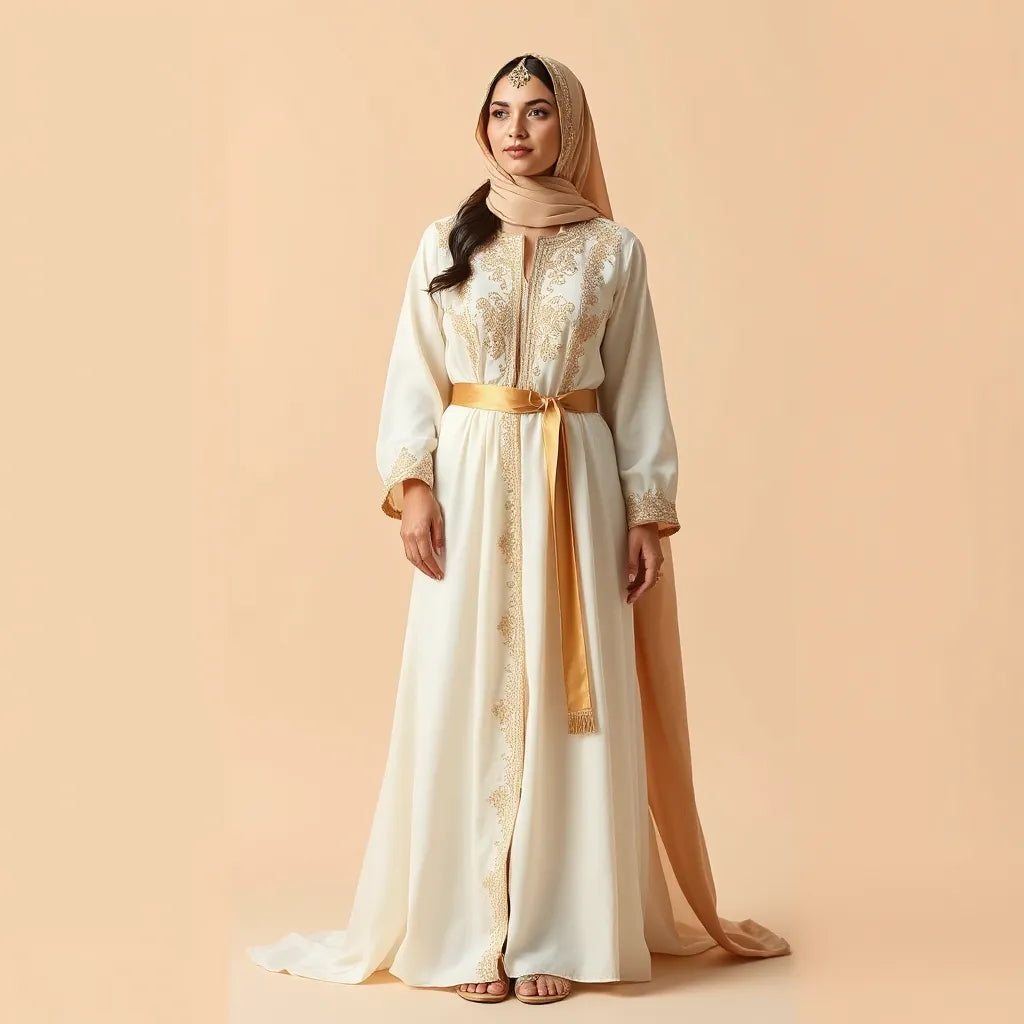
Cultural heritage clothing can look contemporary without losing its identity. The key is to balance tradition with simplicity. Start with a foundational modest silhouette, then add heritage cues through embroidery accents, patterned trims, or heritage-inspired color stories.
For everyday outfits, focus on clean proportions. Pair a softly draped top layer with tailored trousers or a modest skirt. Keep lines steady and avoid overcomplication. When you want a bolder statement, use one heritage feature at a time, such as a decorative neckline or a richly finished scarf edge.

Mix simple silhouettes with embroidery accents and drape
Scarves and head coverings are a practical entry point. They offer the quickest way to express heritage while staying flexible. Choose breathable fabrics and secure finishing so your look remains comfortable through the day. If you want your style to feel cohesive, coordinate the undertone of your scarf with your outfit colors, then repeat one small visual element such as a matching tone in embroidery or trim.
Embedded product reference for illustration:
Chiffon Plain Hijab
This type of plain chiffon base supports heritage styling because it creates a smooth backdrop for patterned garments and embroidered details. It also tends to move gracefully, which helps maintain a refined look throughout daily use.
Materials and Craft: What to Look For
Heritage clothing is defined by both design and construction. You should evaluate how a garment is made, not only what it looks like.
-
Fabric drape and structure. A good cultural-inspired piece should fall naturally. Lightweight fabrics can elevate movement, while more structured textiles help garments keep shape.
-
Breathability for comfort. Daily wear requires textiles that do not feel oppressive. Fabrics with good airflow support long hours and reduce discomfort.
-
Finishing details. Look for clean hems, consistent seam alignment, and secure closures. These elements reflect quality control and improve long-term wear.
-
Craft integrity. If a design includes hand embroidery, check that the stitches are uniform and that decorative motifs are balanced. Craft integrity is often visible in the discipline of the pattern and the neatness of the edges.
If you are building a heritage wardrobe gradually, it can be helpful to start with a versatile head covering and then add one crafted item at a time. For example, an underlayer or inner piece can improve coverage comfort and help the outer scarf sit smoothly. Consider exploring options such as a cotton inner hijab for consistent fit.
To support heritage-inspired styling, you can also select chiffon scarves in elegant tones and minimal bases. If you prefer flow and a refined finish, soft flow chiffon hijabs can offer an adaptable look for many outfits.
For shoppers who want deeper decorative cues, consider heritage-themed embroidery and artisan finishing. You may find pieces that reflect traditional motif language while remaining compatible with modern modest silhouettes.

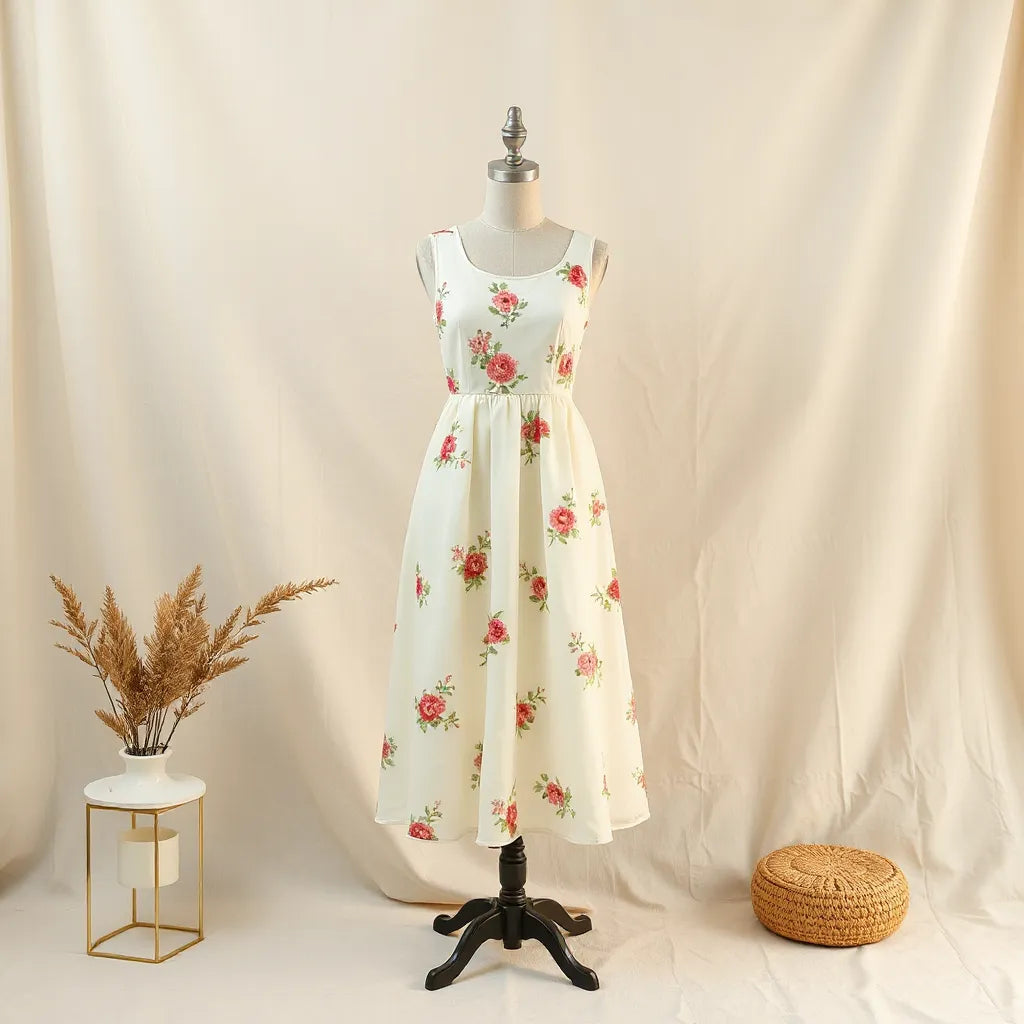
Close-up motif lines, clean hems, and stitch discipline
Care and Maintenance for Longevity
Longevity is part of respect for heritage textiles. When you care for garments correctly, you preserve both appearance and craftsmanship. The goal is to maintain texture, color, and finish without stressing fibers.
-
Follow fabric-specific cleaning guidance. Some textiles respond best to gentle washing, while others require more careful handling. Read garment instructions carefully before cleaning.
-
Wash with mild methods. Use gentle cycles when available and avoid harsh detergents. For delicate finishes, hand washing may be the safest choice.
-
Dry carefully to protect shape. Air drying often helps delicate fabrics maintain structure. Avoid high heat when it can damage fibers or decorative stitching.
-
Store to prevent friction. Keep pieces folded or hung with adequate spacing. For embroidered items, reduce contact with rough textures to prevent snagging.
-
Address wear early. If a seam loosens or a thread catches, repair it promptly. Early attention prevents small issues from becoming major repairs.
For hijabs and layered modest wear, a practical approach is to keep inner pieces clean so the outer layer stays fresh for longer. This also supports a cleaner silhouette and reduces the need for frequent re-adjustment.
Frequently Asked Questions
Is cultural heritage clothing only for people with ancestral ties to a specific region?
Cultural heritage clothing can be worn by anyone who respects its meaning. Appreciation does not require proof of ancestry. The most important factor is choosing garments thoughtfully, avoiding superficial imitation, and supporting makers who preserve traditional techniques.
What makes a heritage-inspired piece look more authentic?
Authenticity is usually reflected in construction discipline, motif consistency, and responsible use of materials. Look for neat finishing, stable stitching, and design details that appear intentional rather than randomly applied.
How do I choose fabrics that feel comfortable for daily use?
Start with drape and breathability. If you prefer movement, choose lightweight textiles with a smooth hand. If you need structure, look for fabrics that hold their shape without stiffness. Comfort improves when coverage remains stable and does not require frequent adjustment.
Summary & Key Takeaways
Cultural heritage clothing helps you express identity through modest, crafted design. When you select pieces based on fabric behavior, finishing quality, and respectful motif use, you build a wardrobe that feels meaningful and wearable.
If you are ready to explore heritage-inspired modest wear, begin with versatile layers, then add crafted accents over time. For inspiration and coordinated styling, you can review curated collections on our site: Palestinian Elegance.
Q&A Section
How can I wear cultural heritage clothing in a modern, minimal style?
Choose a simple base silhouette and let one heritage element provide the visual identity. Practical examples include a plain draped layer, coordinated color undertones, and a single decorative detail such as a refined edge finish.
How do I confirm that craft details are genuinely well finished?
Inspect the garment for even stitching, clean seam alignment, and secure attachment of decorative features. The best signs include consistent motif spacing and a neat finish at hems and edges.
What is the most effective way to build a long-term modest wardrobe with heritage influence?
Start with reliable basics, then add one heritage statement at a time. This approach reduces impulse purchases and helps you create outfits that are easy to repeat while still reflecting cultural meaning.
About the Author
Sulieman Alhazma is a fashion and textile specialist with expertise in modest wear design, heritage-inspired craftsmanship, and the practical needs of everyday dressing. He focuses on how artisanship, quality materials, and thoughtful construction create garments that last. In writing this guide, he aims to help readers choose clothing with confidence and care, without sacrificing comfort.
Disclaimer: This article provides general guidance on selecting and caring for heritage-inspired modest wear. Fabric performance and care needs vary by material and finishing, so always follow the garment instructions provided at the time of purchase.
The content in this blog post is intended for general information purposes only. It should not be considered as professional, medical, or legal advice. For specific guidance related to your situation, please consult a qualified professional. The store does not assume responsibility for any decisions made based on this information.