

Updated on: 2026-07-15
Choosing unique Muslim clothing is not only about appearance. It is also about comfort, craftsmanship, and how a garment supports daily life. A well-made piece can elevate personal style while maintaining modest coverage and ease of movement. This guide explains how to evaluate materials, fit, design details, and finishing so you can buy with confidence. You will also find practical answers to common buying questions.
Table of Contents
1. Buyer’s Checklist
2. Step-by-Step Guide
3. Unique Muslim Clothing: What to Look For
4. Materials, Care, and Comfort
5. Sizing and Fitting for Modest Style
6. FAQ
7. Closing Thoughts & CTA
8. About the Author
Buyer’s Checklist
Before you purchase unique Muslim clothing, review the details that affect wearability and long-term value. Use the checklist below as a fast, practical reference.
- Coverage goals: Confirm the neckline, sleeve length, and overall coverage you need for your lifestyle.
- Fabric behavior: Check whether the fabric drapes well, breathes comfortably, and holds its shape after regular wear.
- Construction quality: Look for secure seams, clean finishing, and consistent stitching at stress points.
- Design intent: Prefer patterns and embellishments that feel intentional rather than overly busy or easily dated.
- Color stability: Choose shades that suit your wardrobe and consider how they may change under sunlight and repeated washing.
- Wear-and-repeat planning: Decide if you want a daily staple, an occasion piece, or a layering outfit.
- Care requirements: Ensure the care steps match your routine so the garment stays presentable.
Step-by-Step Guide
Buying becomes easier when you follow a clear sequence. Use this step-by-step approach to find modest garments that feel personal and dependable.
- Define the moment: Identify whether the garment is for daily wear, a gathering, or a special occasion.
- Assess coverage: Compare your preferred modesty level with the garment’s neckline, sleeves, and overall length.
- Evaluate the fabric: Select materials known for comfort, breathability, and a flattering drape.
- Inspect craftsmanship: Look closely at seam alignment, hem finishing, and any embroidery or decorative work.
- Confirm fit expectations: Use sizing charts and consider how you usually style inner layers.
- Plan styling support: Pair with appropriate underlayers and head coverings to achieve a smooth, secure look.
- Check care instructions: Make sure you can maintain the garment without risking damage or premature wear.
Unique Muslim Clothing: What to Look For
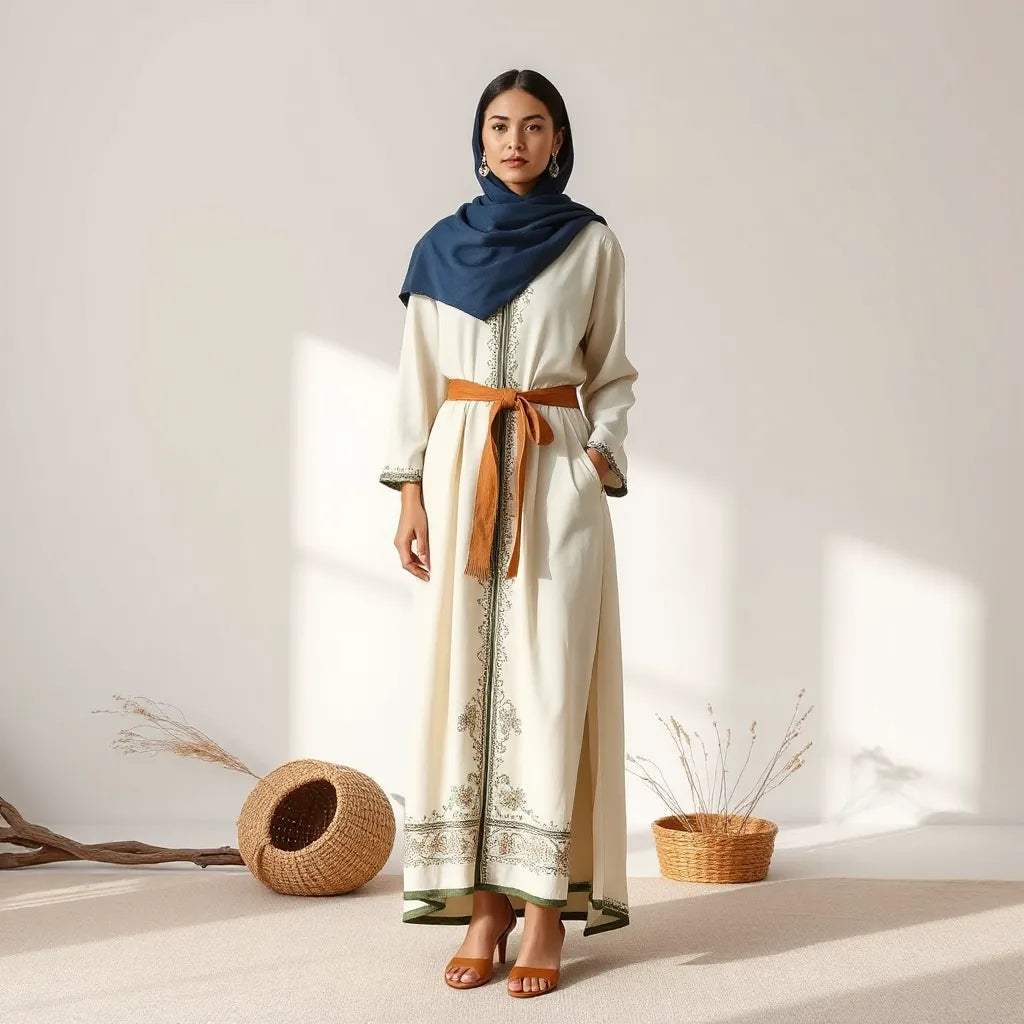
Unique Muslim clothing stands apart when it balances personal style with respectful, practical design. The most satisfying garments feel cohesive: fabric, cut, and finishing work together to create a polished silhouette without constant adjustment. When you shop, look beyond trends and focus on the elements that give a piece its character and longevity.
1) Thoughtful design lines
Consider the garment’s shape from shoulder to hem. Clean design lines help modest styling look intentional. For example, a well-structured top or dress can support a smooth drape, while thoughtful paneling can create balance even when worn with layered undergarments.
2) Artisan details that age well
Unique pieces often feature handcrafted embellishments or carefully placed decorative work. These elements should enhance the garment rather than distract from it. Prioritize details that are aligned with the overall silhouette and that remain visually attractive across seasons.

Close-up view of flowing fabric and stitched lines
3) Practical movement
Modest clothing must move with you. When garments include comfortable shaping, flexible fabric choices, or well-planned openings, wear becomes smoother. Evaluate how the garment is likely to behave when you sit, walk, or reach—especially for daily errands or long gatherings.
4) Styling compatibility
The best unique garments integrate easily into your wardrobe. Choose colors that coordinate with existing pieces, and consider how the garment will pair with complementary head coverings, outer layers, and footwear. This reduces the risk of buying something that looks impressive in photos but is hard to repeat.
If you are building a complete modest styling set, consider matching your head covering choice to your garment’s texture and tone. For example, a soft draping hijab can complement a garment with lighter fabric, while a structured option can support a more defined silhouette. You can also explore head covering options such as a two-piece cotton hijab to achieve consistent coverage and a neat profile.
Materials, Care, and Comfort
Fabric selection is one of the highest-impact decisions for unique Muslim clothing. Comfort is not only about softness. It also depends on breathability, thermal balance, and how the fabric responds to movement. A garment that feels pleasant on day one should also remain reliable after repeated use.
Common fabric qualities to prioritize
- Drape and structure balance: Fabrics should fall smoothly without clinging excessively.
- Breathability: Look for materials that do not trap heat during active days.
- Shape retention: Quality garments hold their form after washing and drying with proper care.
- Texture harmony: Avoid pairing overly stiff textures with heavy embellishments unless the design intent is clearly cohesive.
Care practices that protect longevity
Even strong fibers can lose their best qualities when care is inconsistent. Follow care instructions carefully. If a garment has embroidery, follow gentle cleaning steps to preserve the finish. Use appropriate drying methods to reduce wear. When in doubt, store garments in a way that prevents snagging and deformation.
Why comfort includes underlayer planning
Many people overlook underlayers, but they can transform how unique modest outfits feel. A supportive underlayer can improve comfort around the neckline, smooth fabric contact points, and reduce shifting. When head coverings and inner pieces are chosen thoughtfully, the outer garment typically looks more refined.

Flat-lay of color swatches and care symbols
Sizing and Fitting for Modest Style
Fit is where good intentions become real satisfaction. Even the most beautifully designed unique Muslim clothing can feel frustrating if the sizing is off. The goal is a secure, comfortable silhouette that supports modesty without restricting daily motion.
Use measurements, not assumptions
Rely on sizing charts and confirm measurements before ordering. If you are between sizes, consider how you plan to wear the piece with inner layers. Modest styling often includes additional fabric underlayers, so the garment should still allow natural movement.
Check the fit in four key areas
- Shoulders and upper chest: Ensure the garment sits correctly without pulling.
- Neckline and upper torso: Confirm that coverage remains smooth and stable.
- Sleeves and arm movement: Look for adequate room for reach and routine movement.
- Hem and overall length: Verify coverage meets your standards when you sit and move.
Head coverings as part of the fitting equation
Many customers treat head coverings as separate from garment fit, but they influence the overall look. A suitable hijab style can help create a clean line at the shoulders and reduce shifting. If you prefer a secure profile, selecting an option that supports stable coverage can improve comfort for extended wear.
For additional styling inspiration, you may also explore fabric-and-cut matching with a modest outerwear set such as a luxury open abaya set. When the outer cut and inner layers work together, unique clothing becomes easy to wear with confidence.
FAQ
How can I tell if unique Muslim clothing is made with quality craftsmanship?
Inspect seam strength, hem finishing, and pattern alignment. Look for consistent stitching and clean edging at visible borders. If the garment includes embroidery or decorative elements, confirm that the details are applied securely and do not appear loosely attached. Quality craftsmanship typically results in even structure and a fabric finish that looks refined from multiple angles.
What fabric types usually provide the best comfort for daily modest wear?
Comfort depends on climate and personal preference, but breathable, well-draping fabrics are often a strong choice for everyday use. Fabrics that feel smooth against the skin and that allow natural movement tend to support longer wear. If you live in warmer conditions, prioritize materials known for breathability and consider how the fabric reacts during active hours.
How do I choose sizing when I plan to wear inner layers?
Start with your measurements and compare them to the sizing chart. Then consider the thickness of your underlayers and how you prefer the outer garment to feel. A garment that is too tight at the upper torso can reduce comfort, while a garment that is too loose may shift when you move. Choosing the correct fit improves both coverage and overall appearance.
Are there ways to keep garments looking new after repeated washing?
Follow the care instructions closely, especially for embroidery or decorative finishes. Wash gently when recommended, avoid harsh drying methods, and store garments in a way that prevents stretching or snagging. Consistent care helps preserve color vibrancy and maintains the garment’s original structure.
Closing Thoughts & CTA
Unique Muslim clothing should feel meaningful, comfortable, and dependable. When you prioritize fabric behavior, craftsmanship, and fit, your wardrobe gains pieces that you can wear confidently across seasons. If you are building your modest style with purpose, start by selecting one garment that matches your daily coverage needs and style preferences. Then, refine your collection with complementary head coverings and coordinating underlayers.
For a curated shopping experience, visit Party Savvy to review occasion styling ideas and plan outfits with confidence. If you want to focus specifically on modest craftsmanship and artisan details, explore the collection at Palestinian Elegance by browsing relevant categories on the site.
About the Author
Sulieman Alhazma is a fashion and merchandising specialist focused on modest apparel and artisan-driven design. With expertise in garment evaluation, fabric performance, and customer experience, Sulieman helps shoppers understand what to look for when selecting quality pieces. He also studies how craftsmanship and fit influence long-term satisfaction. Thank you for reading, and may your next purchase support both comfort and confident self-expression.
The content in this blog post is intended for general information purposes only. It should not be considered as professional, medical, or legal advice. For specific guidance related to your situation, please consult a qualified professional. The store does not assume responsibility for any decisions made based on this information.