

Updated on: 2026-07-09
Choosing traditional and modern modest clothing is not only about appearance. It is also about comfort, movement, and personal values. A thoughtful wardrobe blends heritage details with current silhouettes and fabrics. When you select pieces for fit, layering, and daily lifestyle, your look stays refined without feeling restrictive. This guide explains how to build a balanced modest wardrobe that works for different seasons and occasions.
What “Traditional and Modern” Means in Modest Wardrobes
Traditional and modern modest clothing uses two complementary approaches. Traditional styles often reflect regional craftsmanship, familiar silhouettes, and heritage ornamentation. Modern modest clothing focuses on clean lines, thoughtful construction, and fabrics designed for everyday movement. The goal is balance: you keep the dignity and character of modest heritage while enjoying contemporary practicality.
In practice, this balance appears in details such as neckline choices, sleeve shape, and how a garment drapes from shoulder to hem. It also appears in accessory styling. For example, a classic modest outfit can feel distinctly current when paired with modern layering pieces or a refined headscarf shape. The result is a wardrobe that looks intentional in daily life, not only for special moments.
At Palestinian Elegance, this bridge between heritage and modern wear is treated as a craft discipline. The boutique is family-owned and focused on cultural preservation, high-quality Tatreez (hand-embroidery), modest wear, and artisan-made Kuffiyehs. That same mindset can guide your personal wardrobe decisions at home.
Practical Guide: Build a Balanced Modest Wardrobe
A strong modest wardrobe is built systematically. You do not need dozens of items to create variety. You need a clear structure: a few foundation pieces, flexible layers, and thoughtful styling decisions. Below is a practical method designed for long-term wear, not short-lived trends.
Choose the Right Foundation Pieces
Start with garments that form a reliable base. Look for modest silhouettes that suit your routine. Examples include long thobes, abaya-inspired outerwear, or modest dresses with sleeves and full coverage. A good foundation piece should be wearable on busy days and refined for appointments.
When you choose foundation pieces, consider three criteria. First, evaluate coverage at the shoulder, arm, and hem. Second, confirm that the garment maintains its shape after repeated use. Third, decide whether the piece is easy to style with headscarves and layering components. If it fits these tests, it becomes a core item that supports many outfits.
For headscarf and inner support, choose options that match your comfort preferences. Some wearers prioritize soft structure, while others prioritize flow. If you want dependable coverage and comfort, an inner layer can simplify your daily routine. You can also explore tailored modest wear options such as cotton inner hijab for secure layering.
Master Layering for Comfort and Coverage
Layering is the practical tool that connects traditional modest silhouettes to modern comfort. Instead of relying on one garment to do everything, use layers to control temperature, movement, and styling. A typical layering structure includes an inner base, a mid-layer for shape, and an outer layer for public settings.
Consider how each layer affects your day. An inner layer helps with coverage and reduces friction. A mid-layer can add structure around the torso while keeping your silhouette elegant. An outer layer provides visual balance and can frame your look with heritage-inspired details.
If your headscarf styling depends on staying in place, consider supportive inner coverings. For example, you can review headscarf options paired with secure underlayers like cotton undercap to improve comfort and stability.

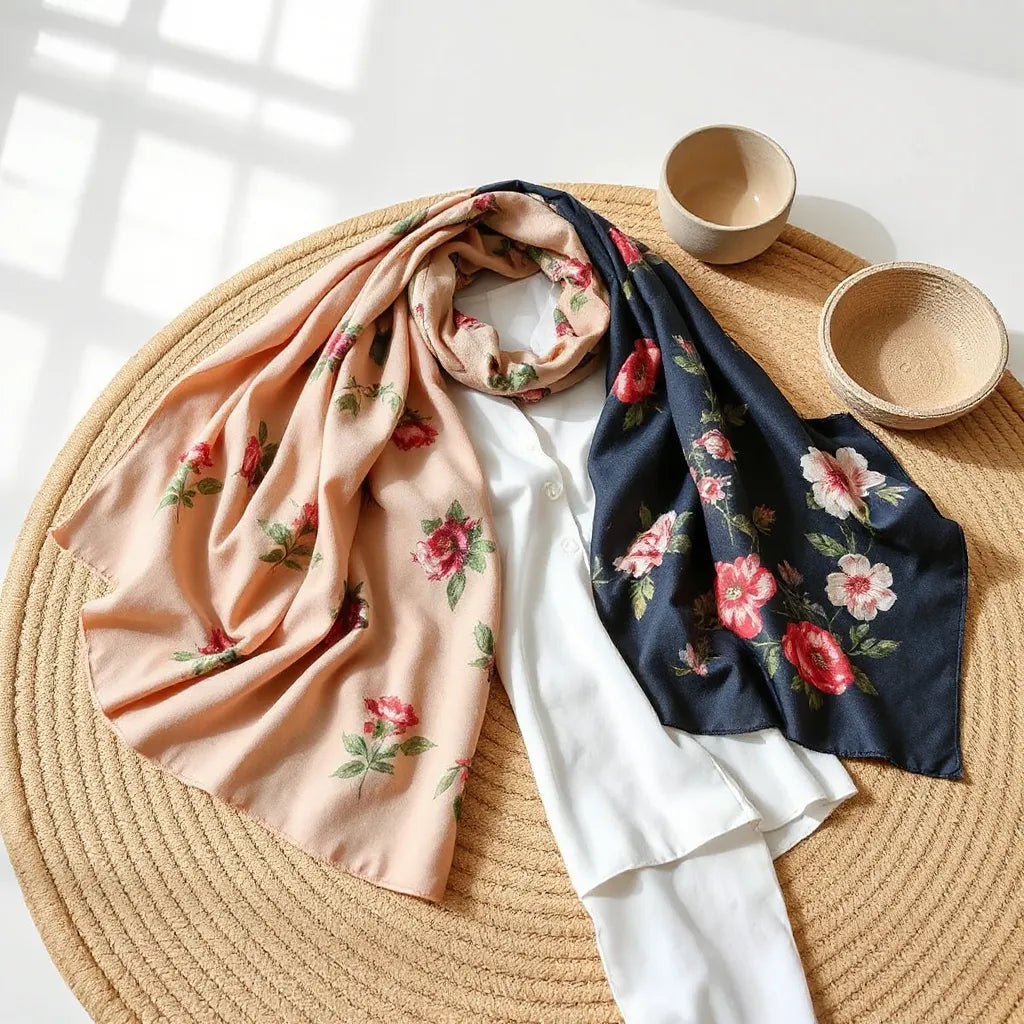
Layered look with flowing shapes and balanced coverage
Prioritize Fit, Mobility, and Ease
Modesty is not the same as stiffness. The most wearable traditional and modern modest clothing allows movement without losing coverage. Pay attention to how fabric moves when you walk, sit, and reach. Sleeves should be wide enough for natural motion. Necklines should remain secure without constant adjustment.
Check length and proportion. A modest garment that is too short shifts attention toward areas you may prefer to keep covered. A garment that is too long can trap fabric during movement. When you choose a dress or thobe, think about hem behavior while walking. For a clean appearance, the hem should move with you rather than against you.
If you prefer a structured look, look for construction elements such as panels, subtle waist shaping, or disciplined seams. If you prefer softness, prioritize garments with consistent drape. Neither approach is better by default. The best choice depends on your comfort needs and your daily activities.
Select Fabrics That Match Your Climate
Fabric choice determines whether your modest outfits feel breathable and polished. For warm weather, prioritize breathable textiles that allow air circulation. For cooler seasons, consider fabrics that retain warmth without becoming heavy. The goal is steady comfort across the day.
In modest dressing, fabric texture also shapes appearance. Smooth, well-finished surfaces can create a modern, streamlined impression. Fabrics with visible weave or embroidered texture can highlight heritage craftsmanship. A balanced wardrobe usually includes both types so you can rotate based on mood and season.
When selecting headscarves, consider how they behave with movement. Some fabrics hold their shape, which supports structured styles. Others drape more fluidly, which supports a relaxed silhouette. Choose the fabric that matches the look you want on most days.
For a refined and lightweight option, many shoppers consider chiffon. If chiffon appeals to your style, you may explore soft flow chiffon as a versatile styling base.
Use Heritage Details Without Overcomplicating
Heritage details are where traditional and modern modest clothing often looks most distinctive. Tatreez, embroidery placement, and regional patterning create identity. However, you do not need heavy ornamentation on every garment. A consistent wardrobe can include one or two statement pieces and keep the rest clean and supportive.
Try a “one focal point” approach. Choose one area to elevate. It may be the cuff, neckline edge, or panel placement. Then keep the other parts simple so the overall look remains balanced. This approach also makes styling easier because you can pair the garment with multiple headscarf looks.
If you are interested in modern modest dresses with artisan character, consider exploring an embroidery-focused category. For example, the boutique features embroidery-loom modern dress as an example of how craftsmanship can remain wearable and current.

Embroidery motifs represented through patterned lines and neutral drape
Key Advantages of Blending Heritage and Contemporary Style
- Versatility across occasions: Heritage silhouettes can be styled for daily errands, while modern construction supports work and travel.
- Improved comfort: Contemporary fabrics and modern layering methods help garments feel lighter and easier to wear for long stretches.
- Personal identity with refined aesthetics: Traditional ornamentation provides meaning, while clean modern lines keep the look polished.
- Better wardrobe investment: When pieces are chosen for drape, coverage, and fabric quality, they remain wearable beyond seasonal cycles.
- Smarter styling routines: A structured layering system reduces decision fatigue and supports consistent coverage.
Summary & Next Steps
Traditional and modern modest clothing creates a wardrobe that feels both meaningful and practical. You begin with dependable foundation pieces, then build comfort through layering, fit, and fabric selection. Heritage details enhance identity, but they should remain balanced so your outfits stay easy to wear.
Next steps you can take immediately:
- Audit your current wardrobe and identify your “foundation” items that fit well and repeat easily.
- Choose one headscarf or inner support option that simplifies coverage and styling.
- Plan two outfit formulas: one for warm days and one for cooler days.
- Invest in one statement piece with artisan detail, then keep the rest of the styling intentionally simple.
If you want to refine your modest look with high-quality craftsmanship, you can explore curated modest wear and headscarf options on Palestinian Elegance’s site. Consider starting with items that support layering and long-term comfort.
Q&A Section
How do I blend heritage style with modern modest clothing without looking overly busy?
Use a focal-point strategy. Choose one area for emphasis, such as cuffs, neckline detailing, or a patterned panel. Keep the rest of the outfit in solid colors or clean textures. This method preserves heritage character while maintaining a modern, balanced look.
What is the most practical layering approach for everyday modest wear?
Prioritize comfort and stability. Start with an inner base for coverage and reduced friction, add a mid-layer that supports your silhouette, and finish with an outer garment for structure. For headscarf styling, use an undercap or inner layer that helps prevent slipping and reduces daily adjustments.
Which headscarf qualities matter most: fabric, structure, or coverage?
All three matter, but coverage and comfort should come first. Fabric determines how the scarf drapes and how warm it feels. Structure affects how much the scarf holds its shape. Coverage ensures that your styling remains secure in everyday movement.
About the Author
Sulieman Alhazma is a modest fashion specialist with expertise in garment styling and wardrobe planning for culturally rooted looks. With experience advising on fit, layering systems, and artisan-informed aesthetics, Sulieman focuses on practical guidance that supports both comfort and refined presentation. The work is grounded in respectful craftsmanship and long-term wearability. Thank you for reading, and may your wardrobe choices feel confident and intentional.
Disclaimer: This article provides general guidance on modest wardrobe building and styling. Individual preferences, body comfort, and fabric care requirements may vary. Always follow garment care instructions provided by the manufacturer.
The content in this blog post is intended for general information purposes only. It should not be considered as professional, medical, or legal advice. For specific guidance related to your situation, please consult a qualified professional. The store does not assume responsibility for any decisions made based on this information.