

Updated on: 2026-06-03
A breathable chiffon scarf is a practical choice when you want comfort and elegant movement. It helps you stay cool in warm settings while keeping your look refined. Because chiffon is lightweight, it layers easily over a base hijab or inner underscarf. With the right styling, a chiffon scarf also supports a polished silhouette without feeling heavy.
What Is a Breathable Chiffon Scarf?
Pros & Cons of Breathable Chiffon Scarves
Step-by-Step Practical Guide
Care and Storage Best Practices
Styling Ideas for Daily and Event Wear
How to Choose the Right Chiffon Scarf
Wrap-Up
Q&A Section
About the Author
What Is a Breathable Chiffon Scarf?
A breathable chiffon scarf is a lightweight scarf made from chiffon fabric, designed for comfort and graceful drape. Chiffon is known for its airy feel and soft texture. It often works well for warm weather because it tends to feel less dense than heavier textiles. When layered correctly, it can also help your outfit look layered and intentional, not flat.
In practical terms, the value of a breathable chiffon scarf lies in its balance. You receive a delicate appearance and movement, while maintaining everyday wearability. Many people use chiffon as a styling layer over a more structured base, such as an inner hijab or underscarf. This approach supports comfort at the scalp area and improves coverage stability.

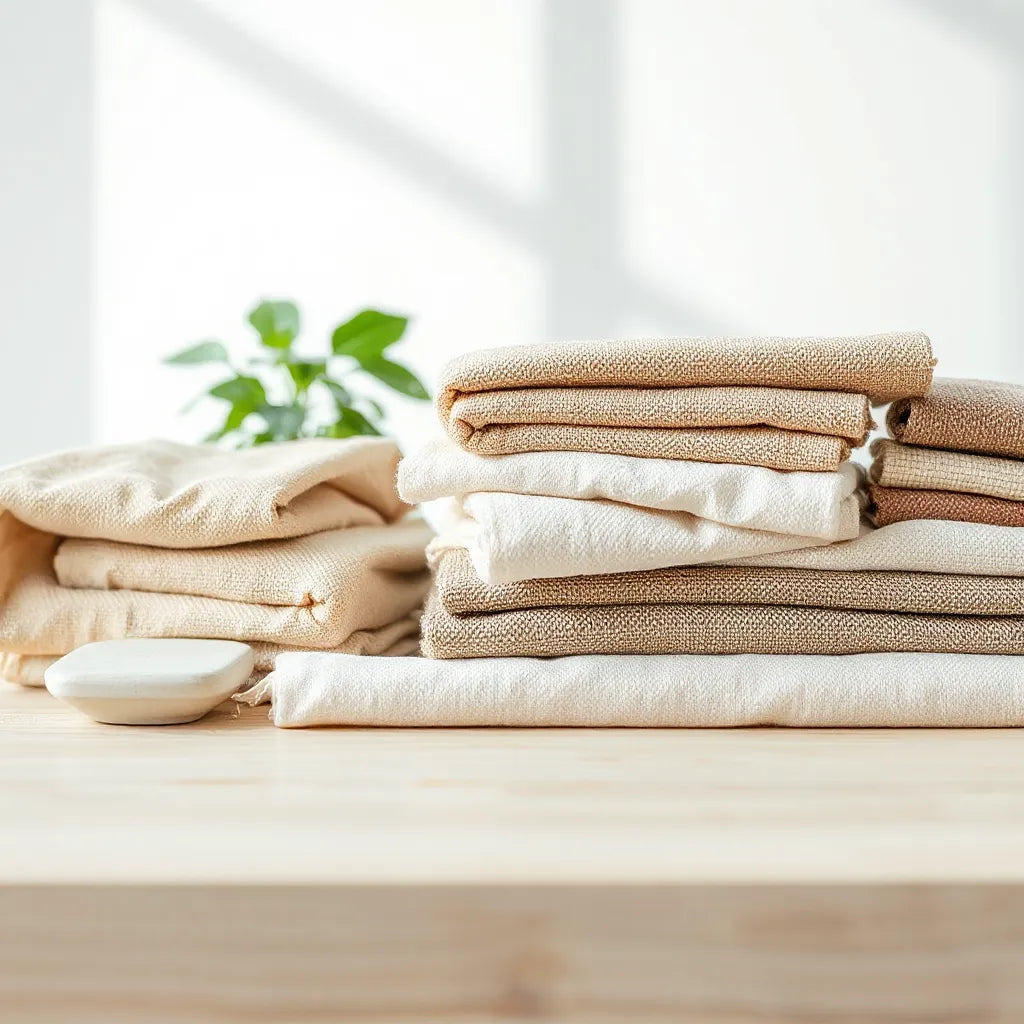
Airy chiffon layers, soft folds, and gentle light
Pros & Cons of Breathable Chiffon Scarves
- Comfort in warm conditions: The fabric often feels airy and reduces the heavy feel of thicker scarves.
- Elegant drape: Chiffon forms flattering folds that enhance an outfit without adding bulk.
- Easy layering: It can be worn over an inner hijab, allowing you to adjust coverage and fit.
- Style versatility: A neutral chiffon scarf can complement many colors and modest outfits.
- Simple transport: Lightweight scarves generally pack with less effort for travel.
There are also trade-offs to consider. Chiffon can be more delicate than sturdier fabrics, so it may require careful washing and gentle handling. It can also slip slightly if the inner base is too smooth or if the tie method is not secure. For this reason, selecting an appropriate underlayer and using reliable fastening techniques matter.
Step-by-Step Practical Guide
1) Prepare a stable base
Start with an inner layer that stays in place comfortably. A cotton inner hijab can reduce friction and help chiffon sit neatly. If you prefer a layered method, ensure the base covers the forehead and hairline evenly.
For a practical starting point, you can explore cotton inner hijab options that support a smooth, comfortable foundation.
2) Position the chiffon scarf correctly
Place the chiffon scarf so the drape falls in the direction that flatters your face shape. Pin or clip at the shoulder or upper area where you want the main fold to stay. Avoid pulling too tightly, because chiffon should maintain softness.
3) Secure with minimal tension
Use small pins or a hidden clasp technique at the side or near the neckline. Chiffon should feel secure but not stretched. If you notice slipping, re-check the base layer and consider adding a very light grip at the inner edge.
4) Shape the folds for a clean silhouette
Create gentle vertical or diagonal folds by smoothing from the top outward. The goal is consistent movement and a refined line, not random creases. Finish by adjusting the length near the chest or collarbone area.
5) Finish for events or long wear
If you plan to wear the scarf for longer periods, check the fastening points before you go out. Also confirm that the underlayer stays comfortable with the scarf’s weight. Chiffon generally works well for ceremonies, visits, and everyday appointments when the layer is styled with care.
When you want a chiffon look with a soft, graceful feel, you can also reference this product for design inspiration:
High Quality Chiffon Hjiab: Gives Your Outfit A Graceful Touch

View High Quality Chiffon Hjiab
You may also coordinate modest accessories for a complete event-ready look. For party planning ideas that can complement modest styling, you can visit Party Savvy.
Care and Storage Best Practices
To keep a chiffon fabric looking smooth, adopt gentle care. Chiffon is usually sensitive to harsh washing cycles and rough handling. Use a mild detergent, avoid high heat, and do not wring the fabric aggressively. After washing, blot excess water using a clean towel and let the scarf dry flat or on a hanger with proper support.
For storage, fold along natural creases to preserve the drape. Store chiffon in a breathable garment bag to limit dust exposure. If your scarf has delicate finish details, keep it separate from items that may snag, including accessories with sharp edges.
If you want a complete modest layering approach, pairing chiffon with dependable inner pieces can improve comfort and reduce daily reshaping. You can consider underscarf bonnet options that support stable coverage beneath lighter outer layers.

Folded scarf drawer with labeled bags and gentle airflow
Styling Ideas for Daily and Event Wear
A breathable chiffon scarf can elevate both casual and formal outfits. The key is matching the scarf movement with the outfit silhouette. If your outfit has a structured neckline, use chiffon folds to soften the line. If the outfit already has ornate details, choose a scarf color that complements without competing.
Daily wear: keep it effortless
For everyday use, choose a chiffon scarf in a calm neutral or a subtle solid. Style it with light folds that frame the face. Keep fastening points minimal so the scarf remains comfortable while you move.
Work and study: prioritize neat lines
For office or study settings, aim for symmetry. Smooth the top edge and create consistent folds near the shoulder. If the scarf is too slippery, a secure underlayer can help. Consider pairing chiffon with a supportive base such as a two-piece cotton style that can anchor the look.
Events: add dimension without heaviness
For gatherings and special occasions, a chiffon scarf can create depth through layered drape. Consider a style that includes a soft overlay at the front or a gentle twist at the side. This method adds visual interest while keeping the overall look light.
How to Choose the Right Chiffon Scarf
Selecting the right chiffon scarf requires attention to fabric behavior, underlayer compatibility, and practical coverage. Start by considering how the chiffon will sit on your base layer. If you prefer minimal slippage, pair it with an underlayer that provides grip and comfort.
Next, evaluate the scarf length and width. Longer scarves can create more styling flexibility, including draped edges and fuller folds. Wider scarves can cover more surface area with fewer adjustments. Finally, consider color and finish. A smooth, even chiffon weave often looks polished and photographs well under natural and indoor lighting.
If you want a dedicated chiffon option designed for elegant drape, explore premium soft chiffon hijab and related chiffon pieces. These options can provide a starting point for how chiffon behaves when styled as a complete hijab look.
For those who prefer a lighter and more flowing appearance, you can also compare other chiffon or flow-focused options within the same collection approach. The goal is to choose a scarf that feels breathable on your skin and matches your preferred styling method.
Wrap-Up
A breathable chiffon scarf is a refined choice for anyone who values comfort, light layering, and elegant movement. When you select a stable underlayer, secure the chiffon with minimal tension, and shape clean folds, you can achieve a polished look that stays comfortable throughout the day. Prioritize gentle washing and thoughtful storage to maintain the fabric’s soft drape over time.
If you are building a modest layering system, start with a dependable inner base and then add chiffon as the outer styling layer. This sequence reduces slipping, improves coverage consistency, and helps your chiffon styling last longer.
Q&A Section
Is a breathable chiffon scarf suitable for warm weather?
Yes. Chiffon is typically lightweight and can feel more breathable than heavier fabrics. For best results, use a comfortable inner layer and secure the scarf so it does not shift during the day.
What underlayer works best with chiffon?
A cotton inner hijab or underscarf bonnet often works well because it supports comfort and helps chiffon sit more smoothly. The underlayer should feel secure at the scalp area and allow comfortable movement without creating bulky lines.
How can I prevent chiffon from slipping?
Use minimal but strategic pinning or clips at the shoulder or neckline area. Also check that the underlayer provides enough grip. If needed, refine your tie or fastening method so the chiffon is secure without stretching.
How should I wash and dry chiffon to preserve softness?
Use a mild detergent, wash gently, and avoid high heat. Blot excess moisture with a towel rather than wringing. Dry flat or hang carefully to protect the drape and reduce wrinkles.
About the Author
Sulieman Alhazma
Sulieman Alhazma is an editorial and merchandising contributor focused on modest wear styling and fabric behavior. With experience in customer guidance and outfit presentation, they emphasize practical layering, comfort, and long-term garment care. Their approach supports timeless styling rather than short-lived trends. They invite readers to choose pieces that feel well-fitted and intentionally styled.
Disclaimer: This article is for general informational purposes only and does not replace professional tailoring or product-specific care instructions. Fabric performance can vary by composition, weave, and individual styling methods.
The content in this blog post is intended for general information purposes only. It should not be considered as professional, medical, or legal advice. For specific guidance related to your situation, please consult a qualified professional. The store does not assume responsibility for any decisions made based on this information.