

Updated on: 2026-06-02
Traditional Palestinian embroidery is more than decoration; it is a record of skill, local symbolism, and everyday life. This guide explains what makes it distinctive, how it is crafted, and why it is still relevant in contemporary modest fashion. You will also find a practical checklist for buyers who want quality, responsible sourcing, and long-lasting pieces. By the end, you will be able to identify craftsmanship cues and choose items with confidence.
Table of Contents
Introduction
Did You Know?
Comparison: Pros & Cons
Buyer’s Checklist
Visual Insight
How It Is Made and Why It Matters
Style Applications for Modern Wear
Visual Insight
Final Thoughts & Advice
Q&A Section
About the Author
Traditional Palestinian embroidery: a living craft with modern value
Traditional Palestinian embroidery connects heritage to daily use through dense handwork, careful patterning, and meaningful motifs. Many people first encounter this craft through thobes, bridal garments, and ceremonial textiles, yet the appeal extends far beyond the museum setting. Today, buyers look for pieces that combine visual character with measurable craftsmanship. When you understand how the work is constructed and how quality reveals itself, shopping becomes clearer and more intentional.
In this article, you will learn what distinguishes this embroidery tradition, what to look for in stitching and finishing, and how to select items that feel refined and durable. You will also gain a buyer-focused checklist that supports confident decisions, whether you are purchasing for collection, gifting, or everyday modest styling.
Did You Know?
- Motifs often function like visual language, combining geometry, floral forms, and practical layout that supports balanced coverage.
- Hand-embroidery typically develops its look from stitch choice and tension, not from quick surface effects.
- Textile structure affects the final appearance; fabric weave and thread selection can change how motifs sit and catch light.
- Regional variation is common, meaning two garments can share an overall aesthetic while still showing distinct pattern logic.
- Quality is also revealed through finishing details such as edge work, alignment, and consistent spacing of filled areas.
Comparison: Pros & Cons
- Pros: Strong cultural identity and recognizable motif structure.
- Pros: Handwork cues allow more accurate assessment of craftsmanship.
- Pros: Motifs can be integrated into modern silhouettes without losing visual meaning.
- Pros: Often designed for longevity through careful construction and stable threads.
- Cons: More labor-intensive processes can increase cost relative to machine-made decoration.
- Cons: Dense stitching may require gentle care to preserve texture and edge integrity.
- Cons: Not every “embroidered” listing reflects the same technique or finishing standards.
Buyer’s Checklist
Use this checklist when evaluating pieces that feature traditional Palestinian embroidery. It is written for practical shopping in real conditions, including product photos, descriptions, and product questions.
- Stitch clarity: Look for consistent motif outlines and clean fill coverage without patchy gaps.
- Even spacing: Assess whether repeated elements align closely and maintain similar density.
- Edge finishing: Confirm that borders and seams show purposeful construction rather than loose thread ends.
- Thread behavior: Dense areas should appear stable, not overly glossy in a way that suggests surface-only decoration.
- Fabric suitability: Choose a base textile that supports the weight of embroidery and keeps drape comfortable.
- Motif placement: Balanced layout indicates planning, not random ornament placement.
- Color stability: Prefer neutral-to-natural palettes that are described clearly and look coherent in photos.
- Care guidance: Buyers should see realistic instructions for storage and washing.
For shoppers who also need foundation pieces to style a fully covered look, modest essentials can complement embroidered garments without competing for attention. Explore a range of inner layers and related head coverings for a cohesive finish. For example, you may review options such as cotton inner hijab to support comfort and smooth coverage.

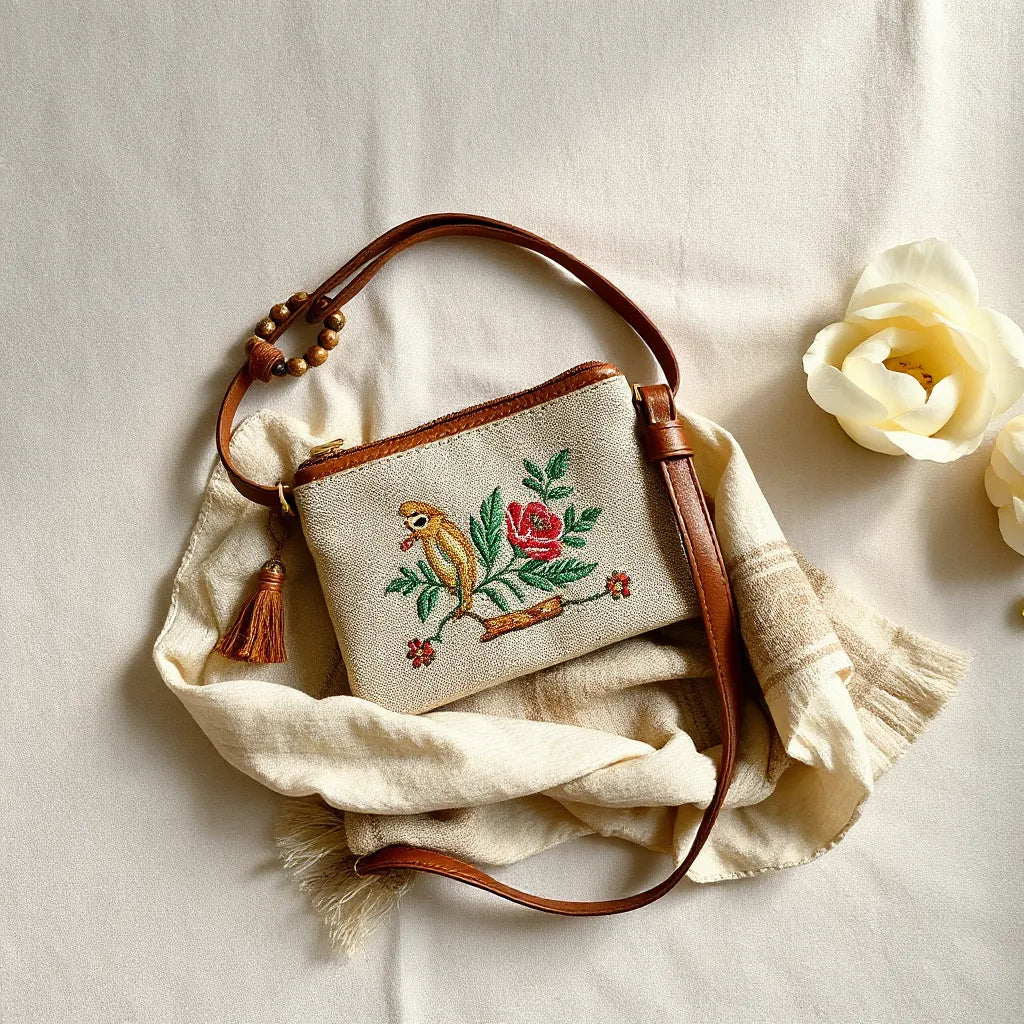
Balanced motif layout with measured stitch density
How It Is Made and Why It Matters
Understanding the production approach helps you evaluate the final quality of traditional Palestinian embroidery. Authentic work is typically built from repeated attention: thread is secured, motifs are traced by layout logic, and then each section is filled with stitches that maintain consistent tension. This process creates a visual texture that is not easily replicated by simple surface embellishment.
Several elements signal craftsmanship. First, the motif outlines should appear intentional, with clean transitions between filled areas and negative spaces. Second, the density of filling matters. Dense sections that remain orderly tend to indicate careful spacing and reliable thread tension. Third, finishing quality should remain stable near seams and edges, where workmanship is tested by movement and wear.
Another key factor is design planning. Motifs do not merely decorate; they structure the garment. Layout decisions determine whether the embroidery guides the eye along vertical lines, balances open and filled fields, or frames key areas such as sleeves and central panels. When placement is planned, the piece looks harmonized even when viewed from multiple angles.
Thread choice also contributes to longevity. Well-selected threads maintain a stable look over time, while poorly matched materials can distort under stress or cleaning. A responsible seller typically describes the general material approach and provides realistic care guidance. If the listing focuses only on vague claims, it becomes difficult to assess true quality.
Style Applications for Modern Wear
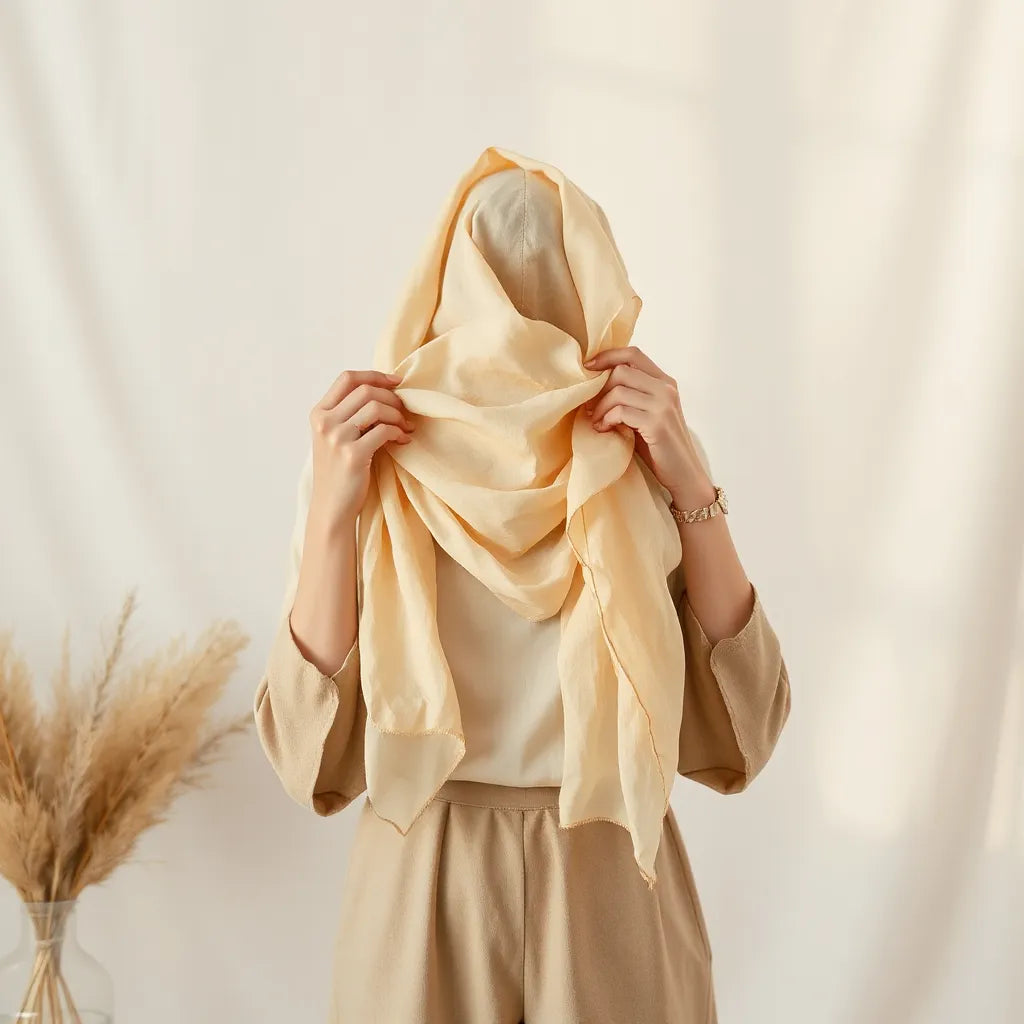
Traditional Palestinian embroidery can be integrated into modern modest wardrobes through strategic styling. The most effective approach is to treat embroidery as the focal point while keeping the base garment and inner layers supportive rather than distracting. In practical terms, this means pairing embroidery with solids, calm textures, and headwear that harmonizes with the color story.
Many buyers prefer to keep the embroidered element prominent on a thobe-style silhouette, then build the rest of the look with coordinated modest pieces. For head and coverage planning, consider pairing embroidered outerwear with soft, structured options that hold shape. You may find helpful variety in hijab styles designed for daily comfort, including premium soft chiffon hijab when you want a smooth drape that does not compete with intricate motifs.
For those styling a more defined shoulder line, additional foundation pieces can improve overall structure. A bonnet or undercap that matches the intended coverage area can reduce shifting during wear. Depending on your preferred fit, you may explore options such as syrian style closed bonnet to support a stable head shape.

Texture study: stitch depth against calm fabric weave
Final Thoughts & Advice
Traditional Palestinian embroidery remains compelling because it combines visual beauty with disciplined workmanship. When you shop with a focus on stitch clarity, spacing, edge finishing, and realistic care guidance, you move from impulsive buying to informed selection. The result is a piece that looks refined and ages with grace.
To make the experience even smoother, plan your full outfit before you purchase. Decide whether embroidery will be the dominant visual element, then select inner layers and head coverings that support the overall silhouette. If you are building a capsule wardrobe, prioritize foundational items that maintain comfort and consistent fit.
Finally, choose sellers who support cultural preservation and artisan-centered production values. A family-owned boutique bridging heritage and modern modest fashion can provide the context that enhances your understanding of what you are buying. Palestinian Elegance focuses on quality artisan work and high-integrity modestwear, supporting buyers who value both meaning and craftsmanship. For further exploration, you can also browse tie bandana options for additional styling versatility.
Q&A Section
How can I tell whether embroidery is hand-crafted or surface-only decoration?
Look for consistency in stitch direction, stable motif outlines, and orderly spacing between filled areas. Hand-crafted work often shows intentional texture across the entire motif, including near borders. If the description lacks technique details and the image shows overly uniform highlights that resemble a printed or layered effect, you should ask for clarification.
What care practices help preserve the look of traditional Palestinian embroidery?
Gentle cleaning is essential. Use mild detergents, avoid harsh scrubbing, and follow any washing instructions provided by the seller. When drying, choose low-heat methods if heat is involved, and store the garment flat or lightly folded in a breathable bag to protect thread texture and edge integrity.
Is it appropriate to wear an embroidered garment for everyday use?
Yes. Many embroidered pieces are designed for regular wear, especially when paired with supportive base fabrics and proper inner layers. Evaluate the density of stitching and the comfort of the garment structure, then select a style that matches your typical movement patterns.
How should I match headwear with a garment featuring traditional Palestinian embroidery?
Choose headwear that complements the color story without drawing focus away from the embroidery. Solid shades, calm neutrals, and smooth drape usually create the most balanced look. If your embroidery includes multiple colors, select a headwear base that harmonizes with the dominant tone, then keep additional accessories minimal.
About the Author
Sulieman Alhazma is an author and editorial contributor with expertise in traditional textile craftsmanship and modern modest styling. Their work focuses on translating heritage design principles into practical buying guidance that supports quality selection. With a careful, objective approach, Sulieman helps readers evaluate materials, construction, and finishing details. For additional styling support and curated modestwear options, readers are encouraged to explore the boutique resources available online.
Disclaimer: This article provides general educational information about textile craftsmanship and buying considerations. It does not provide medical, legal, or financial advice. Product details and material composition vary by collection; always review the specific product description and care instructions provided at purchase.
The content in this blog post is intended for general information purposes only. It should not be considered as professional, medical, or legal advice. For specific guidance related to your situation, please consult a qualified professional. The store does not assume responsibility for any decisions made based on this information.