

Updated on: 2026-07-21
Handmade Palestinian Tatreez connects everyday clothing to living heritage through meticulous hand embroidery. Each stitched motif carries visual meaning, while the craft itself preserves artisan knowledge across generations. When you buy a tatreez piece, you are also investing in careful construction, durable materials, and thoughtful finishing. This guide helps you evaluate quality, understand what to look for, and choose responsibly for a lasting, respectful purchase.
What Makes Handmade Palestinian Tatreez Look and Feel Authentic
Motifs, Placement, and Visual Balance
Buyer’s Checklist
Choosing a tatreez item is easier when you use a practical checklist. Focus on craftsmanship first, then on the fit for your lifestyle and wardrobe. Below is a structured way to shop with confidence.
-
Inspect the stitching surface: Look for even coverage, consistent thread tension, and clean edges around each motif.
-
Check the back and finishing: Many quality pieces show careful thread management and minimal loose ends.
-
Evaluate motif clarity: Designs should look intentional, not blurred. Lines and shapes should remain distinct from a normal viewing distance.
-
Confirm fabric compatibility: The embroidered area should sit naturally on the base cloth without puckering or distortion.
-
Assess color stability: Favor well-defined thread colors that match the rest of the piece and appear consistent throughout.
-
Verify size and coverage: Make sure the placement and scale suit the garment you are preparing to wear or gift.
-
Prioritize ethical sourcing: A responsible seller shares details about materials, care, and the artisan process.
Step-by-Step Guide
Use this sequence to evaluate any handmade embroidery item before committing. These steps are designed to reduce uncertainty and help you choose pieces that keep their structure over time.
-
Start with the purpose: Decide whether the piece is for daily wear, special occasions, or collection. Your use case determines acceptable texture and coverage.
-
Review the base material: Confirm that the foundation fabric supports embroidery without stretching out of shape.
-
Look for consistent motif execution: Check multiple motifs across the item to see if the design is executed with uniform skill.
-
Examine seams and borders: Quality craftsmanship often appears in the borders, hems, and the way embroidered sections meet the garment construction.
-
Assess comfort and wearability: Consider how the embroidery will feel against skin, especially around collars, cuffs, and waist areas.
-
Read care guidance: A seller who provides care instructions reflects experience with the materials used for embroidery.
-
Confirm the value proposition: Handmade work deserves time and skill. Compare what you receive to your expectations for durability and finishing.

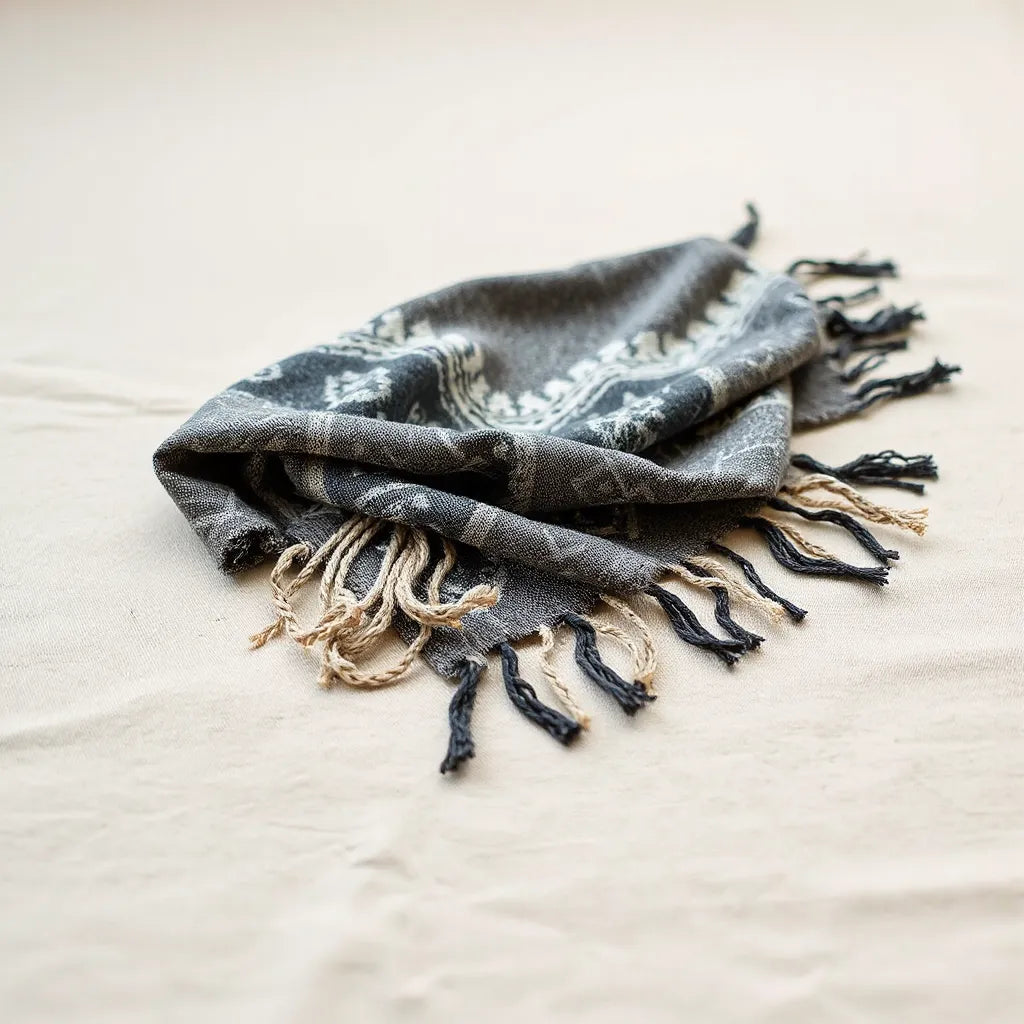
Close-up embroidery lines, balanced motifs, neat border edges
What Makes Handmade Palestinian Tatreez Look and Feel Authentic
Authentic tatreez is not defined by a single pattern style. It is defined by disciplined execution, stable materials, and the artisan’s ability to translate traditional motifs into wearable form. The most convincing indicators are visible in the details: the way threads sit, the steadiness of lines, and the care taken in transitions between embroidered and non-embroidered areas.
First, examine threadwork density. Quality embroidery usually maintains a controlled, intentional fill rather than relying on heavy layers that distort the base cloth. Next, look at alignment. Motifs should follow a planned rhythm, especially when the design wraps around or spans multiple garment sections. Finally, consider finishing. Thoughtful artisans secure edges and manage thread ends in a way that supports long-term wear and reduces fraying risk.
In addition, authenticity often appears through restraint. A skilled embroiderer avoids unnecessary clutter. The design remains readable, and the piece feels cohesive rather than overloaded. When you purchase Handmade Palestinian Tatreez, you are not just buying decoration; you are receiving a craft object that reflects technique and patience.
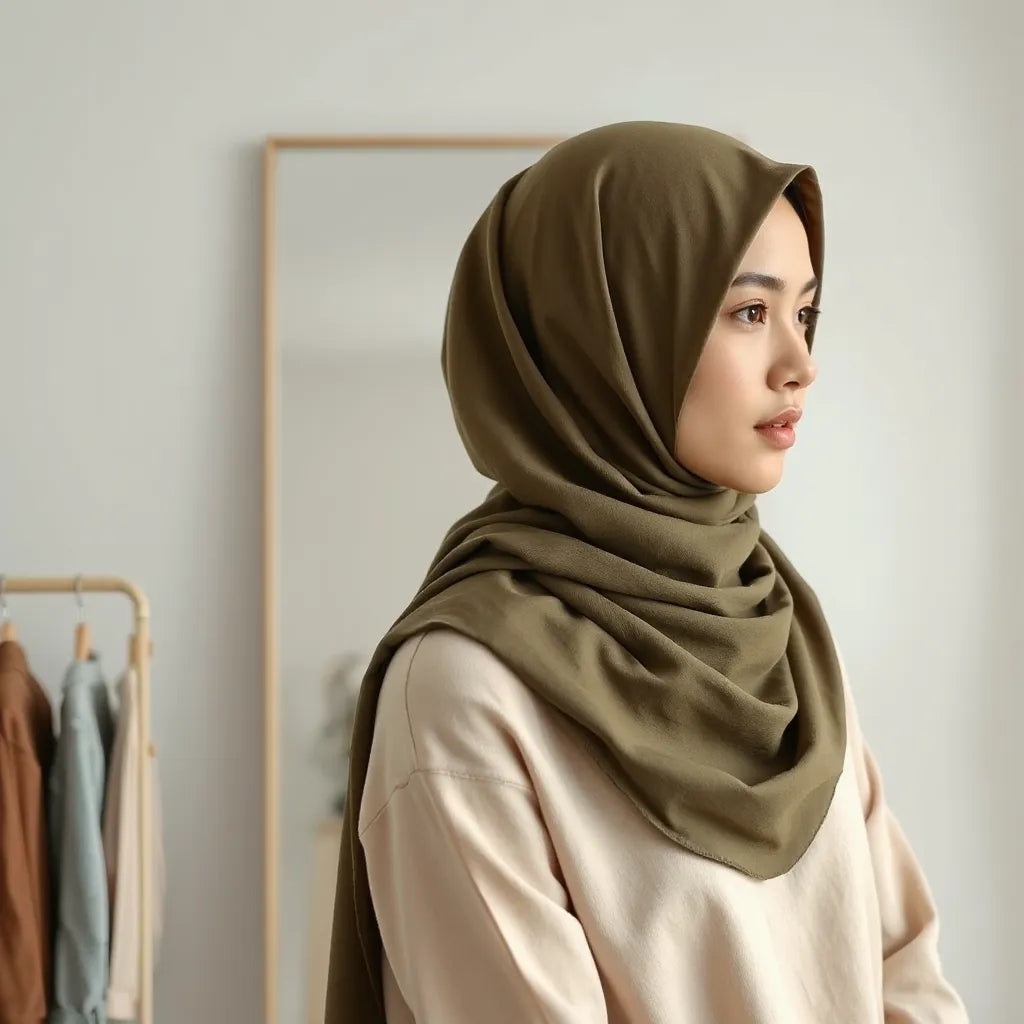
If you are building a coordinated modest wardrobe, consider how tatreez elements pair with surrounding clothing textures. For example, pairing embroidery-focused garments with structured modest essentials can keep the overall look balanced. Palestinian Elegance is a family-owned boutique bridging traditional Palestinian heritage with modern fashion, and it specializes in high-quality Tatreez and artisan-made accessories. For a practical layering approach, you may find relevant inspiration in an underscarf or bonnet style that supports comfortable everyday wear, such as cotton under scarf bonnet options.
Motifs, Placement, and Visual Balance
Motifs are the language of tatreez. They are chosen and arranged to create meaning through symmetry, repetition, and contrast. Many buyers appreciate the aesthetic immediately, but the deeper value comes from understanding how artisans plan the layout. When motifs align with garment lines, the embroidery enhances movement rather than fighting it.
Placement is especially important. A well-designed piece respects the natural flow of clothing: collars, cuffs, and borders often receive the most stable embroidery coverage. This improves both durability and visual continuity. When motifs appear in corners, edges, and vertical bands, they can guide the eye and create structure. When motifs are placed too centrally without consideration for garment seams, the embroidery can shift or distort when worn.
Scale is another indicator. Large motifs should be proportionate to the garment size. Smaller motifs often work best as supporting accents along borders, creating texture without overwhelming the wearer. In high-quality work, artisans maintain a consistent scale across the piece, even when the design follows a curved seam.
Color balance matters as well. Traditional-inspired palettes often achieve harmony through contrast, but modern taste sometimes favors calmer combinations. You should choose the palette that complements the base fabric and your overall wardrobe, while still allowing embroidery to remain the visual focus. If you plan to wear the piece frequently, selecting color threads that read clearly against the base fabric helps maintain impact over time.
Overall, the strongest pieces feel intentional. They are planned like design elements, not added afterthoughts. This is where Handmade Palestinian Tatreez differs from mass-produced decoration: each motif placement supports both the garment shape and the heritage aesthetic.

Pattern grid showing motif repetition and vertical border flow
Care and Storage for Longevity
Proper care is the difference between embroidery that remains crisp and embroidery that gradually loses definition. While the exact method can vary by base fabric and thread types, the principles of gentle handling generally apply to handmade tatreez.
Washing and cleaning approach
Prefer hand washing or delicate machine cycles when care guidance permits. Use a mild detergent and lukewarm water to reduce stress on both the base cloth and the stitched surface. Avoid harsh scrubbing on embroidered zones. Instead, treat lightly soiled areas with controlled pressure, then rinse thoroughly.
For drying, choose a method that avoids direct high heat. Heat can loosen fibers, and it can also alter how the embroidery sits on the garment. Air drying is commonly the safest option. Lay the garment flat when possible to preserve shape, and keep embroidered areas from folding tightly against themselves.
Storage practices
Store embroidered pieces in a cool, dry location. Use breathable garment bags rather than sealed plastic storage, which can trap moisture. When folding, place soft tissue between embroidered sections to prevent friction. For pieces that hang, use padded hangers so the garment does not stretch at the embroidered regions.
Handling during wear
During daily use, minimize friction. Bags, watch straps, and rough fabrics can rub embroidery surfaces and create fuzzing or thread wear. When possible, wear the piece with smoother underlayers. If you plan to style the item frequently, consider rotating garments so each piece experiences less repeated abrasion.
When you care for Handmade Palestinian Tatreez responsibly, you protect the visual clarity of each motif and extend the wearable life of the garment. That is the most respectful way to honor the work behind the stitches.
FAQ
How can I tell if a tatreez piece is truly handmade?
Handmade embroidery often shows subtle variation in spacing and tension, consistent with skilled manual work. Look for clean motif edges, careful thread management, and finishing that appears intentional. If the seller provides transparent information about materials, construction, and care, that generally indicates more accountability than purely decorative, low-detail items.
What materials are typically used for a tatreez design?
Tatreez embroidery is commonly stitched onto woven base fabrics using colored threads. The base cloth should be strong enough to support stitching without excessive stretching, and the threads should maintain definition across motifs. For best results, use the specific care guidance provided for the exact garment you purchase.
How should I style a tatreez piece for daily wear?
Start by balancing the embroidery with complementary textures. Pair embroidered elements with simple, solid fabrics to keep the motifs readable. Ensure that the garment fits well at seams and shoulders, because proper fit reduces strain on embroidered areas. For a modest, layered look, you can coordinate with dependable essentials and keep accessories minimal so the embroidery remains the focal point.
Does tatreez require special cleaning compared to ordinary clothing?
Embroidery typically benefits from gentler cleaning. Use mild detergents, avoid strong scrubbing, and choose careful drying methods. If you want to preserve motif clarity, treat embroidered areas with extra caution and follow the cleaning instructions supplied by the retailer for your specific piece.
Closing Thoughts and CTA
Handmade Palestinian Tatreez is more than a design choice. It is a craft-based expression that reflects method, patience, and heritage in wearable form. When you evaluate stitching quality, motif planning, and garment finishing, you select pieces that keep their structure and visual clarity over time. If you want to explore thoughtfully curated modest styles alongside traditional embroidery, visit Palestinian Elegance and consider building your wardrobe around pieces that respect artisan work. For a separate brand option, you can also view MRC WEAR for additional style inspiration.
If you are ready to proceed, choose one item that matches your lifestyle and care preference. Then maintain it with gentle cleaning and careful storage. That approach ensures that each stitch remains a visible part of daily life rather than fading after short-term use.
About the Author
Sulieman Alhazma is an editorial writer focused on heritage craftsmanship, responsible consumer education, and artisan-led fashion development. His expertise includes textile storytelling, embroidery quality assessment, and wardrobe styling principles for modest wear. He works with a practical, research-informed lens to help readers make confident purchasing decisions. Thank you for reading, and may your next selection reflect both artistry and lasting value.
Disclaimer: This article is for educational purposes only and does not provide professional garment testing or guarantees of performance. Always follow the care instructions supplied for the specific item you purchase, and consider professional cleaning for delicate or heavily embroidered garments.
The content in this blog post is intended for general information purposes only. It should not be considered as professional, medical, or legal advice. For specific guidance related to your situation, please consult a qualified professional. The store does not assume responsibility for any decisions made based on this information.