

Updated on: 2026-07-22
Choosing an Authentic Kuffiyeh Scarf is about more than appearance. It involves fabric quality, construction, and a respectful understanding of how the garment is worn. This guide explains what to look for, how to assess craftsmanship, and how to style a kuffiyeh scarf for daily use. You will also find practical care tips and answers to common buying questions.
Why the Authentic Kuffiyeh Scarf Matters
An Authentic Kuffiyeh Scarf carries cultural memory through its patterning, structure, and the way it frames the face. When chosen thoughtfully, it becomes a wearable statement of heritage rather than a short-lived accessory. Many shoppers first notice the bold geometry and color contrast, but the deeper value lies in the craftsmanship behind the weaving and finishing.
In practical terms, a well-made scarf is easier to style, sits more securely on the head, and retains its shape after normal use. It also transitions well across seasons. The right texture can feel comfortable near the skin while still holding its visual form. For buyers who value modest fashion, a kuffiyeh scarf can also function as a distinctive layering element that complements other modest pieces.
At Palestinian Elegance, the focus is on preserving traditional aesthetics with modern sensibility. The boutique is a family-owned establishment that bridges Palestinian heritage with contemporary fashion, specializing in high-quality hand-embroidery and artisan-made kuffiyehs. This approach supports local artisans while helping customers choose pieces that look refined and wear well.
Product Spotlight: Authentic Kuffiyeh Scarf Characteristics
Not all kuffiyeh scarves are equal. To identify a genuine option, evaluate the details that affect comfort and longevity. Below are the most important characteristics you should prioritize during selection.
1) Pattern clarity and alignment
Authentic designs typically show clean lines, balanced spacing, and consistent alignment across the scarf. When patterns appear blurred or uneven, it often indicates shortcuts in production or finishing. Clear patterning also makes styling easier because the visual structure holds its shape as the fabric drapes.
2) Fabric weight and drape
Fabric that is too light may shift during wear and require more frequent adjustment. Fabric that is too heavy can feel restrictive. A balanced weight improves drape and helps the scarf sit with a natural fold, which is especially helpful when you want a neat, polished look.
3) Finishing at edges
Edge finishing reflects the attention paid to durability. Look for tidy hems or well-finished borders that prevent fraying. Strong finishing also helps the scarf keep its shape when folded for storage.
4) Colorfastness and tonal consistency
For long-term use, the colors should remain stable. Tonal consistency matters as well; the scarf should not look patchy after washing or exposure to regular sunlight. High-quality dye processes usually provide more reliable color retention.

Graphic pattern alignment, symmetrical grid, neat border finish
If you are building a complete modest wardrobe, it is also useful to coordinate your kuffiyeh scarf with other headwear and layering basics. For example, many customers prefer pairing patterned headpieces with a breathable inner layer. You can explore options like a cotton inner hijab for comfort and coverage: cotton inner hijab. A stable base layer can improve the fit of your overall look.
Did You Know? Kuffiyeh Details That Matter
- Historically, kuffiyeh-style scarves were used for both comfort and practicality, helping manage heat and sun exposure.
- Pattern geometry is not decorative only; it also guides how the fabric folds and frames the face.
- Edge construction influences how long the scarf stays neat after repeated folding and daily wear.
- Choice of fabric texture affects breathability and how the scarf feels when worn near the skin.
- Care habits, such as gentle washing and proper drying, protect both color and pattern definition.
These points matter because they affect how a scarf performs in real life. A visually appealing scarf is only part of the outcome. Comfort, stability, and durability are the qualities that keep the purchase valuable over time.
Pros and Cons Analysis for Buyers
The following analysis helps you weigh benefits against trade-offs before you commit to an Authentic Kuffiyeh Scarf.
| Category | Advantages | Considerations |
|---|---|---|
| Style impact | Distinct heritage patterning that elevates outfits. | Strong pattern may require simpler clothing for balance. |
| Comfort | Quality fabric can feel breathable and secure. | Texture preference varies; some fabrics feel warmer than others. |
| Durability | Good edge finishing supports long-term wear. | Over-aggressive washing can reduce color stability. |
| Versatility | Works with casual and semi-formal modest looks. | Initial styling may require practice to achieve symmetry. |
When you consider these trade-offs, you can select a scarf that aligns with your lifestyle. If you attend regular events or prefer a polished look, priority should be given to finishing, drape, and how stable the scarf feels during movement.
How to Style a Kuffiyeh Scarf with Confidence
Styling should be straightforward. The goal is a balanced frame around the face while maintaining comfortable coverage. Begin by deciding whether you want a more structured look or a softer drape. Then adjust the fold so the pattern appears aligned and intentional.
Start with a stable base
A base layer helps prevent shifting. Many buyers choose underlayers designed for comfort and coverage, especially when pairing scarves with modest outfits. For additional headwear layering, explore a cotton inner option such as: underscarf bonnet. This type of foundation supports smoother styling.
Use the fold to shape the frame
Small adjustments make a measurable difference. Smooth the fabric to reduce excess bulk. Then position the fold so it frames the face without pulling or creating uneven tension. When symmetry is a priority, align the prominent pattern sections before securing.
Coordinate with your outfit palette
Because the kuffiyeh pattern is visually strong, it often pairs best with garments that have solid tones or subtle texture. Choose fabrics and colors that complement rather than compete. If your outfit is already patterned, select a scarf that either shares one of the palette colors or uses a more restrained contrast.
Consider multi-use styling
Some wearers treat the kuffiyeh scarf as a daily accessory beyond head framing. It can be used to add texture to a modest look by integrating it into styling details when appropriate. The key is to keep the overall look balanced and respectful of the garment’s original visual language.

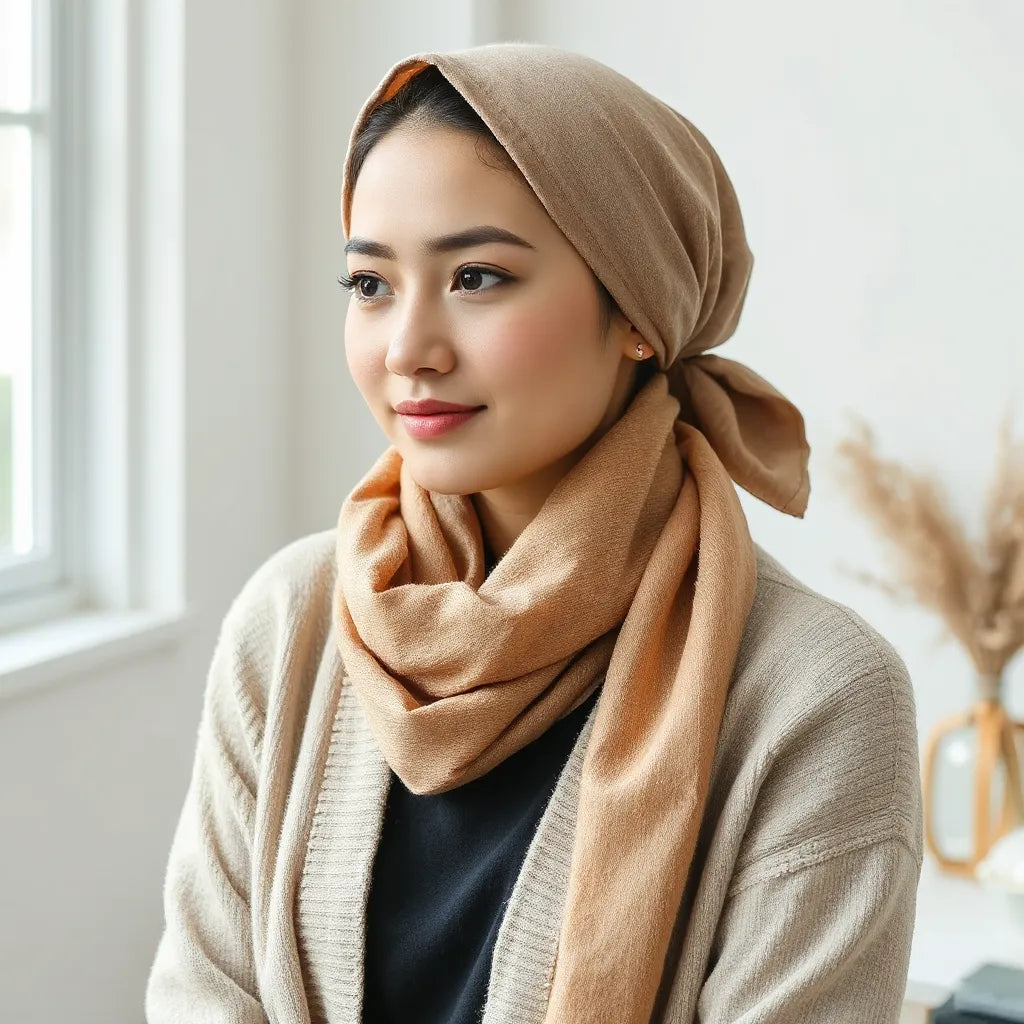
Face-framing folds, symmetry lines, neutral outfit coordination
Care Guide for Long-Lasting Wear
Care practices protect the scarf’s visual quality and comfort. Always follow the specific care instructions provided by the product listing, but the principles below apply to most quality kuffiyeh fabrics.
Wash gently and protect the pattern
Use a gentle wash cycle or hand washing depending on fabric requirements. Turn the scarf inside out if possible to reduce wear on the outer surface. Avoid harsh detergents and excessive agitation, as these can stress the fibers and dull color.
Dry with caution
Air drying is generally the safest route for preserving pattern definition. If you use a dryer, select low heat and remove promptly. High heat can affect fiber stability and may weaken edge finishing over time.
Store flat or folded with care
For storage, avoid tight compression that can crease the pattern permanently. Fold along natural lines when possible. Keep the scarf in a dry environment away from direct sunlight to reduce color fade.
Refresh appearance with light steaming
If the scarf develops minor wrinkles, use low-heat steaming from a safe distance. Do not over-steam, as excessive moisture and heat can affect fabric texture. For stubborn creases, patience is preferred over force.
With consistent care, an Authentic Kuffiyeh Scarf can remain a reliable part of your wardrobe. It is also a practical investment in heritage-style fashion that supports artisans through continued demand.
FAQ Section
What should I look for to confirm authenticity in a kuffiyeh scarf?
Focus on pattern clarity, even alignment, fabric weight that drapes naturally, and tidy edge finishing. Authentic options also tend to show consistent color and reliable dye quality. If details appear blurred, uneven, or loosely finished, consider it a sign to reassess.
How can I prevent my scarf from shifting during wear?
Use a stable inner base layer designed for comfort and secure coverage. Smooth the scarf carefully, align the pattern before securing, and avoid pulling it too tight. If the fabric is particularly lightweight, choose a styling method that creates a fuller fold for better grip.
Are there styling guidelines for pairing a kuffiyeh scarf with modest outfits?
Pair the scarf with solid or subtly textured garments to balance the bold geometry. Ensure your palette complements the scarf colors. Start with a simple silhouette, then adjust the drape until the frame around the face looks symmetrical and neat.
What is the safest way to wash and dry a kuffiyeh scarf?
Prefer gentle washing methods and avoid harsh detergents. Air drying is usually the most protective option for preserving both color and pattern definition. Always follow the care instructions provided with your specific scarf for best results.
Conclusion and CTA
Purchasing an Authentic Kuffiyeh Scarf is a meaningful decision that combines heritage, craftsmanship, and daily usability. By evaluating pattern alignment, fabric drape, edge finishing, and color stability, you can select a scarf that looks refined and remains dependable with time. Thoughtful styling and gentle care further extend its value.
If you are building a cohesive modest wardrobe, consider pairing your scarf with supportive headwear foundations. You may find helpful options in this boutique’s range, including: cotton two-piece hijab and closed bonnet. Choose pieces that match your comfort preferences and complement your style direction.
For best results, select quality first, then refine your look through careful folding and consistent care. Authentic heritage fashion rewards patience and intention.
About the Author
Sulieman Alhazma is an editorial and content specialist with expertise in modest fashion curation and heritage-inspired garment storytelling. Their work emphasizes quality standards, construction awareness, and consumer-friendly guidance for building wardrobes that last. Thank you for reading, and may your next purchase reflect both discernment and respect for cultural craft.
The content in this blog post is intended for general information purposes only. It should not be considered as professional, medical, or legal advice. For specific guidance related to your situation, please consult a qualified professional. The store does not assume responsibility for any decisions made based on this information.