

Updated on: 2026-06-01
Artisan-made accessories connect everyday style to craft, culture, and care. In this guide, you will learn how to recognize quality in handmade materials and finishing. You will also find practical expert tips for choosing accessories that fit your wardrobe and lifestyle. Finally, you will get clear takeaways on maintenance and gifting so your pieces stay beautiful for years.
- Introduction
- Did You Know?
- Expert Tips
- Personal Anecdote
- Quality: What to Look For
- Materials and Finishing
- Fit and Style Integration
- Care and Maintenance
- Gifting and Etiquette
- Summary & Takeaways
- Q&A Section
- About the Author
Artisan-made accessories: how to choose, wear, and care for crafted pieces
Choosing artisan-made accessories is not only about appearance. It is about selecting items with thoughtful construction, meaningful design, and durable materials. When craft standards are high, the result is visible in the drape, the stitching, the edges, and the way a piece holds its shape. If you are building a wardrobe around modest elegance, the right accessories can complete an outfit while also supporting the traditions behind each pattern and technique.
This article will help you evaluate craftsmanship with confidence. You will learn what signals strong workmanship, how to match accessories to your daily needs, and how to maintain them so they look refined over time. You will also discover how to shop with intention, especially when you want pieces that reflect Palestinian heritage and modern styling through careful, artisan-led production.
Did You Know?
- Hand finishing often includes edge reinforcement that improves long-term shape.
- Many crafted designs follow repeatable motifs, where spacing is part of the quality.
- Natural fiber blends can behave differently in heat and humidity, so care matters.
- Accessories can act as “structure” for an outfit, balancing volume and line.
- Small details, such as consistent stitching tension, signal experienced hands.
Expert Tips
- Inspect seams and borders in natural light; uneven spacing is a common quality gap.
- Check the attachment points and adjustable areas for smooth operation and stability.
- Choose a color story that works across multiple outfits, not only one event.
- Prioritize comfort first: look for gentle textures and flexible construction.
- Ask how the piece is finished; careful edges and lining reduce wear.
Personal Anecdote
I once bought a handmade accessory for a busy season when I needed reliable polish without complicated styling. After the first few wears, I noticed details that were not obvious in a quick glance. The edges lay neatly, the pattern alignment looked consistent, and the piece remained comfortable even after repeated use. That experience taught me that artisan-made accessories are designed for real life, not only for display. The best items make daily dressing feel simpler, while also elevating the final look.
Quality: What to Look For
When you shop for artisan-made accessories, begin with construction. Quality workmanship is not limited to visible design; it is also about the way parts connect and how the piece performs through movement. Strong accessories typically show controlled tension in stitching, clean border finishing, and stable structure at corners and edges.
Start with a quick visual audit. Look for symmetry where symmetry matters, such as patterned placement near seams. If there is embroidery or decorative work, confirm that the design remains crisp and that threads do not pull or distort. Then check functionality. If an accessory has fastening or shaping elements, it should behave predictably. Even small alignment issues can create discomfort over time.
Next, evaluate resilience. A well-made piece retains its form after normal handling and repeated wear. The hand feel should remain consistent; rough patches or loose fibers often indicate lower finishing standards. Finally, consider finishing. Good edge work reduces fraying and keeps the accessory looking intentional, even when it is styled casually.

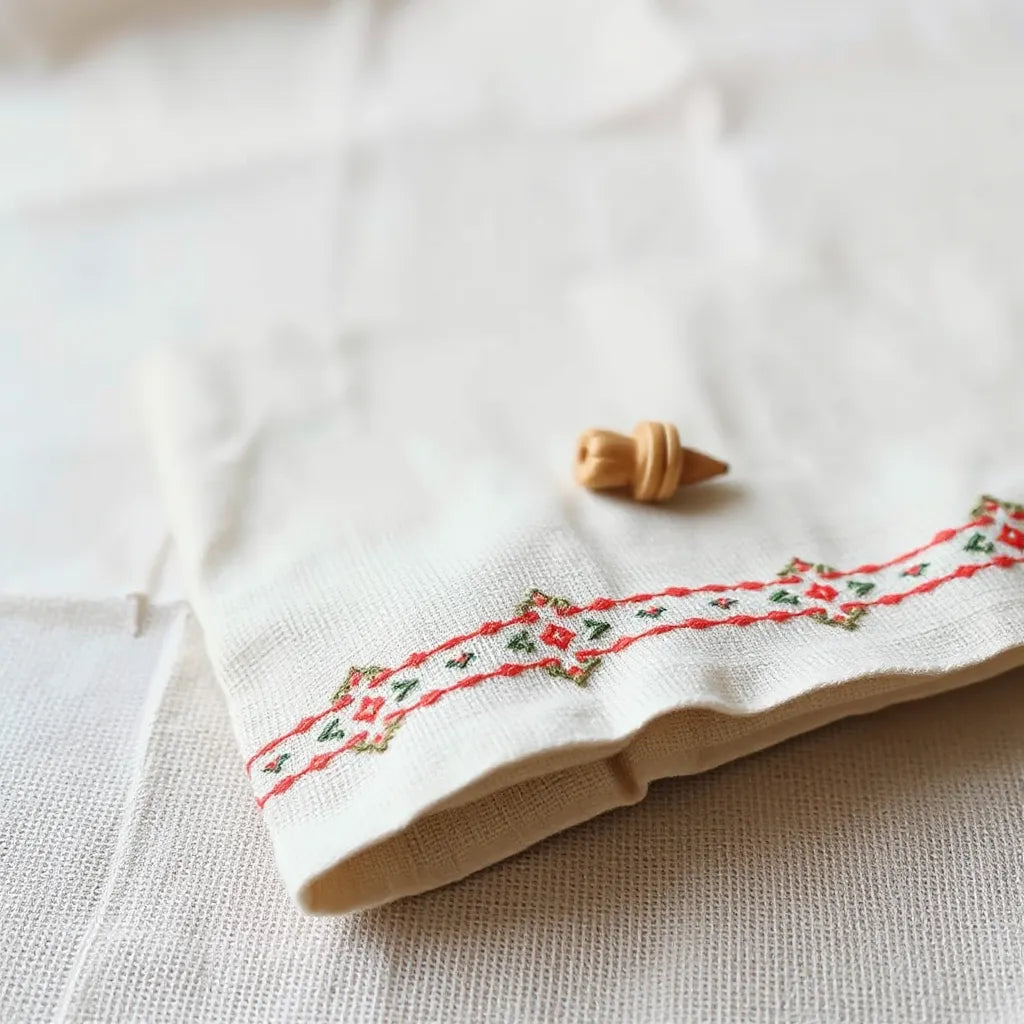
Close-up visual cues: even stitching, aligned borders, neat edges
Materials and Finishing
Materials play a decisive role in how an accessory looks and performs. For example, breathable fabrics can help maintain comfort during long wear, while structured textiles provide better shaping. When craft is combined with thoughtful material choice, the accessory drapes more cleanly and supports a polished silhouette.
Consider fabric behavior. Some textiles glide smoothly, which helps accessories fall neatly without shifting. Others have a softer grip that can hold layers together. If your wardrobe relies on layered styling, a slightly grippy texture can reduce unwanted sliding. If you prefer movement and light layering, choose materials that create a comfortable flow.
Finishing is where craftsmanship becomes visible. Borders that are properly reinforced tend to resist curling. Decorative stitching should appear even, with stable thread tension. If a piece includes lined areas, the internal finish should also be neat. You may not always see the inside when worn, but a careful interior often signals consistent production standards.
If your style includes modest headwear, you can apply the same quality criteria. For instance, well-structured inner layers can improve comfort and reduce shifting. You may also prefer soft, breathable options for daily wear. Explore internal layering options such as a cotton underlayer to enhance stability while maintaining comfort: cotton inner hijab. For a more structured look, you may consider a bonnet style as an anchoring base: Syrian style closed bonnet.
Fit and Style Integration
The most refined accessory will feel wrong if it does not integrate with your routine. Fit is more than sizing. It includes how the accessory supports your posture, how it stays in place, and how it complements your outfit lines.
Begin by identifying your daily use case. If you need an accessory for long wear, prioritize comfort and stability. If you need an accessory for special occasions, prioritize finish and visual impact. A practical approach is to match the accessory to the “role” it plays in your styling.
Accessories can serve as focal points, subtle refinements, or functional foundations. A focal-point accessory draws attention with color depth, embroidery detail, or texture contrast. A subtle accessory supports a clean look by harmonizing with your outfit tone. A functional foundation can help layer pieces sit correctly and reduce re-adjusting throughout the day.
To integrate accessories into modest outfits, pay attention to line and proportion. If your clothing has structured elements, select accessories that balance that structure with soft drape. If your clothing is fluid, choose accessories that provide gentle definition without heaviness. For tie-based styles, look for adjustable construction that holds reliably. For example, a tie bandana can add secure layering while remaining comfortable: turkish style tie bandana.

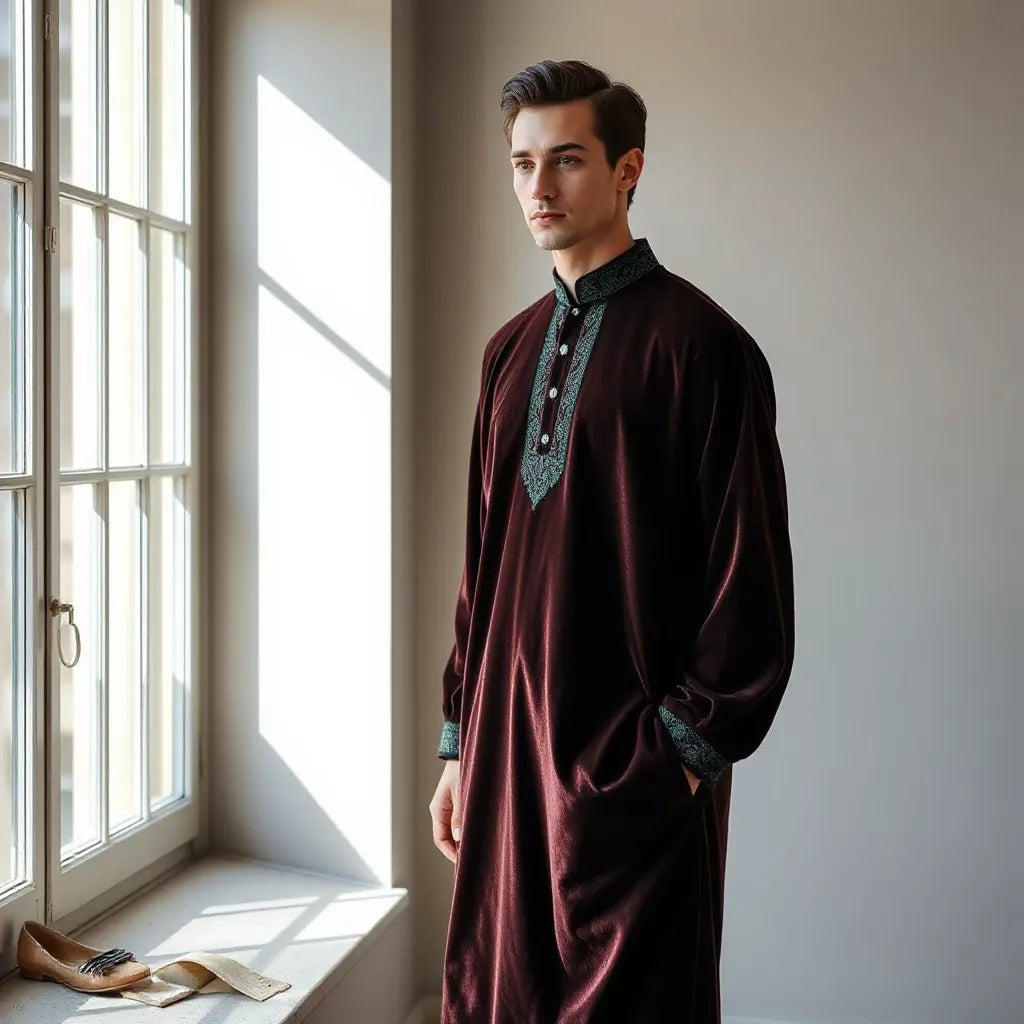
Outfit balance concept: layered lines, color harmony, soft drape
Care and Maintenance
Care protects craftsmanship. Artisan-made accessories often involve detailed processes and careful finishing that reward gentle cleaning and storage. Strong maintenance habits also preserve color and texture, which is essential for keeping the accessory looking freshly styled.
Start with basic handling. Avoid rough pulling on seams and decorative areas. If your accessory is designed to be folded, use careful, flat folding rather than repeated creasing. For accessories that hold shape, store them in a way that supports the intended silhouette.
Cleaning should match the material. Fabric types differ in how they respond to water temperature, detergent strength, and drying methods. Use mild cleaning practices and follow care guidance specific to the textile. If you are unsure, test in a small, discreet area first. When drying, avoid excessive heat that can alter texture. Proper drying also reduces odor retention and helps maintain a clean look.
After cleaning, re-shape gently. Many accessories improve visually when aligned and lightly smoothed while still slightly damp, depending on the fabric. This step helps restore drape and reduces the appearance of creases. Lastly, consider preventive maintenance. Using a fabric protector suitable for the specific textile can help reduce staining and friction wear.
Gifting and Etiquette
Artisan-made accessories also make meaningful gifts. When a person receives a crafted item with thoughtful design and quality finishing, the gift communicates care. To make gifting successful, consider the recipient’s lifestyle and comfort preferences.
Choose a style that matches how they dress most often. If they prefer minimal patterns, select subtle colors and refined texture. If they enjoy bold expression, choose richer tones and clearly defined design elements. Comfort matters, so consider how the accessory sits on the body and whether the recipient tends to prefer softer or more structured textures.
When you gift an accessory, include practical guidance. A short note about care, storage, and how to style it can reduce uncertainty. If the accessory includes inner components or layered styling, explain the best way to wear it so it performs as intended.
If you are selecting headwear for everyday use, you may want an accessory that supports consistent styling. Consider cotton inner layers for comfort: underscarf bonnet cotton seam. For outer styling, explore chiffon options when you want a refined drape and a lightweight finish: soft flow chiffon.
Summary & Takeaways
Artisan-made accessories stand out because they are built with craft discipline. Quality shows in even stitching, stable edges, and materials that drape comfortably. You can choose more confidently by evaluating construction, checking functionality, and ensuring the accessory fits your styling routine.
For long-lasting results, maintain pieces gently and store them properly. When you shop with intention, accessories become more than decoration. They become a reliable part of your wardrobe and a respectful way to support cultural craft. Apply these takeaways: inspect finishing, match materials to your comfort needs, integrate by line and proportion, and care for the textile so the craftsmanship remains visible.
Q&A Section
How can I tell whether an accessory is truly artisan-made?
Look for consistent finishing and controlled workmanship. Check seams and borders for even tension, confirm that decorative work is crisp and stable, and evaluate whether the accessory holds shape during normal handling. Artisan-made accessories typically feel thoughtfully constructed rather than loosely assembled.
What should I prioritize if I am buying artisan headwear accessories for daily wear?
Prioritize comfort, stability, and breathable material behavior. Choose an anchoring base that supports your routine, then select an outer layer that drapes well without unnecessary shifting. Also consider how the textile responds in real-world conditions, since comfort is affected by everyday movement.
How do I prevent fraying or edge wear on crafted accessories?
Handle the accessory gently, avoid aggressive pulling on decorative areas, and store it using methods that prevent unnecessary friction. Follow material-specific cleaning guidance and allow proper drying. Reinforced edges and correct storage significantly reduce fraying and premature wear.
Are handmade accessories suitable for gifting?
Yes, handmade accessories are often excellent gifts because they communicate care and intention. Select a style that matches the recipient’s everyday preferences, consider comfort and color harmony, and include simple care guidance. A thoughtful note helps the recipient use the accessory confidently.
About the Author
Sulieman Alhazma is a boutique content specialist focused on modest fashion, artisan storytelling, and quality-driven shopping. Their expertise centers on how traditional craft methods can be presented clearly for modern customers, with a strong emphasis on durability, comfort, and cultural preservation. They also support family-led brands that empower local artisans through careful design and responsible production. Thank you for reading, and may your wardrobe choices feel intentional and beautifully supported.
Disclaimer: This article provides general shopping and care guidance. Product care instructions can vary by material and construction, so always follow the specific guidance provided with your purchased items.
The content in this blog post is intended for general information purposes only. It should not be considered as professional, medical, or legal advice. For specific guidance related to your situation, please consult a qualified professional. The store does not assume responsibility for any decisions made based on this information.