

Updated on: 2026-05-10
Heritage embroidered thobes bring together fine craftsmanship, meaningful motifs, and everyday comfort. A well-made thobe can elevate both formal occasions and quiet family gatherings. The right fit, thread quality, and finishing details make long-term differences in appearance and durability. This guide helps you shop with confidence, understand quality signals, and choose designs that match your lifestyle.
Table of Contents
Heritage embroidered thobes represent more than clothing. They reflect a visual language of patterns, careful labor, and family memory. When embroidery is done with intention, the result looks refined in daylight and remains distinctive over time. At Palestinian Elegance, we support cultural preservation through artisan-made modest wear and high-quality Tatreez. This article offers practical guidance for selecting a thobe that matches your taste, fits your needs, and remains beautiful through regular use.
Common Mistakes
Many shoppers start with the motif and ignore the construction. This can lead to a thobe that looks impressive in photos but feels less satisfying after repeated wear.
Overlooking measurements: Shoulder width, sleeve shape, and overall length affect comfort and drape.
Choosing embroidery without checking density: Dense work can be more visually stable, while sparse work may look uneven over time.
Assuming all fabric behaves the same: Breathability, hand feel, and how the fabric handles steam and washing matter.
Neglecting finishing details: Clean hems, secure seams, and consistent edging prevent early wear.
Buying only for special occasions: A heritage look can be versatile, but only if the base fabric and comfort features suit daily life.
Buyer’s Checklist
Use this checklist before you decide. It focuses on quality signals you can evaluate during shopping, and it reduces the risk of disappointment.
Confirm the size range: Compare garment measurements with how you normally prefer modest coverage.
Check embroidery consistency: Look for even spacing, tidy edges, and stable thread color.
Assess base fabric comfort: Choose a fabric that matches the season you plan to wear it in most often.
Review seam placement: Proper construction supports graceful movement and helps the embroidery sit flat.
Verify neckline and sleeve comfort: A heritage neckline should not feel scratchy, tight, or restrictive.
Consider styling needs: Ensure the thobe pairs well with your headwear, underlayers, and outer layering preferences.
Plan for care: Decide in advance whether you will wash carefully at home or use professional cleaning.
How to Wear and Care for Heritage Thobes
Comfort begins at the styling level. If your underlayer is too thin or too textured, the embroidered areas can shift or appear less crisp. For the cleanest look, choose modest undergarments that allow the thobe to hang smoothly.
When it comes to care, gentle handling supports embroidery longevity. Follow garment care instructions provided with your thobe, and avoid harsh detergents. If the thobe is steamed, use moderate heat and keep distance from the embroidered surfaces. Steam helps relax wrinkles without pressing directly on stitchwork.
For shoppers building a coordinated modest wardrobe, headwear selection is part of the care strategy. A compatible color story reduces the need for frequent re-styling and keeps your overall look consistent.

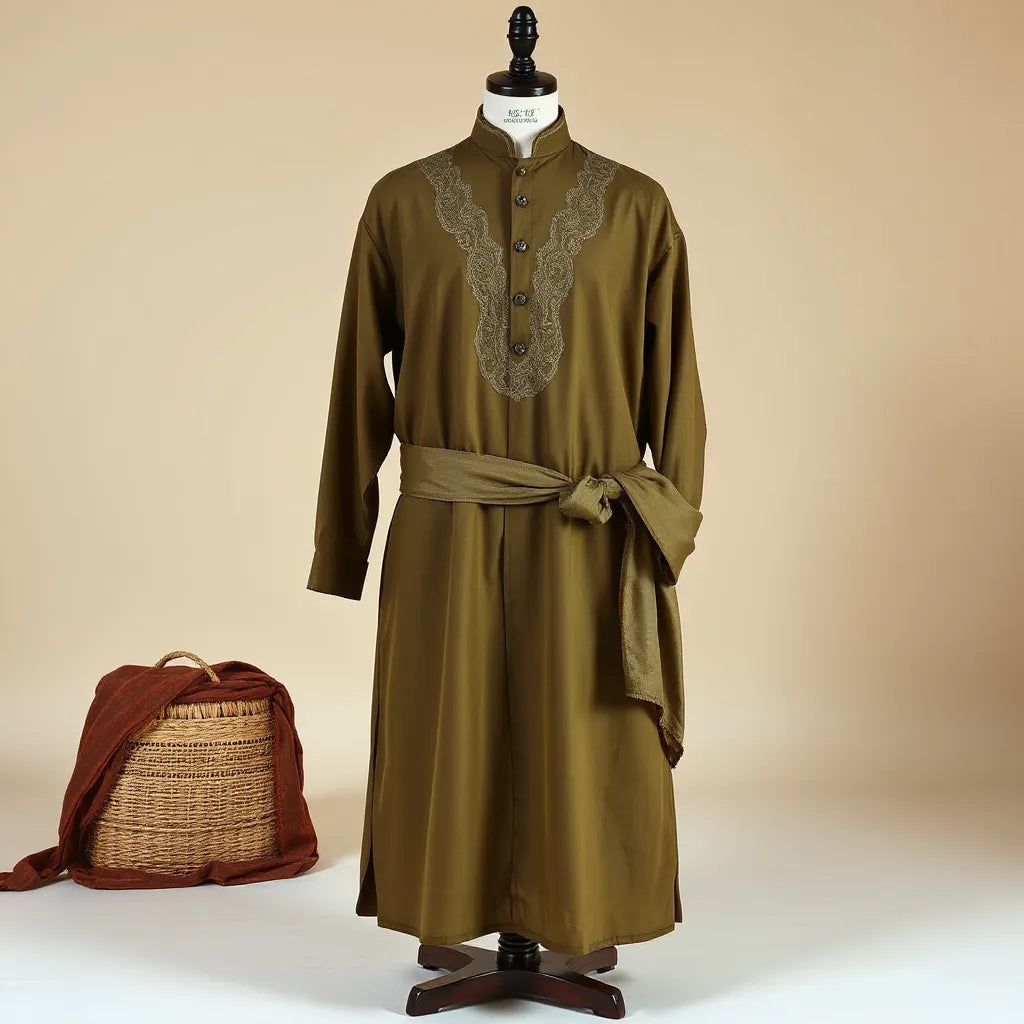
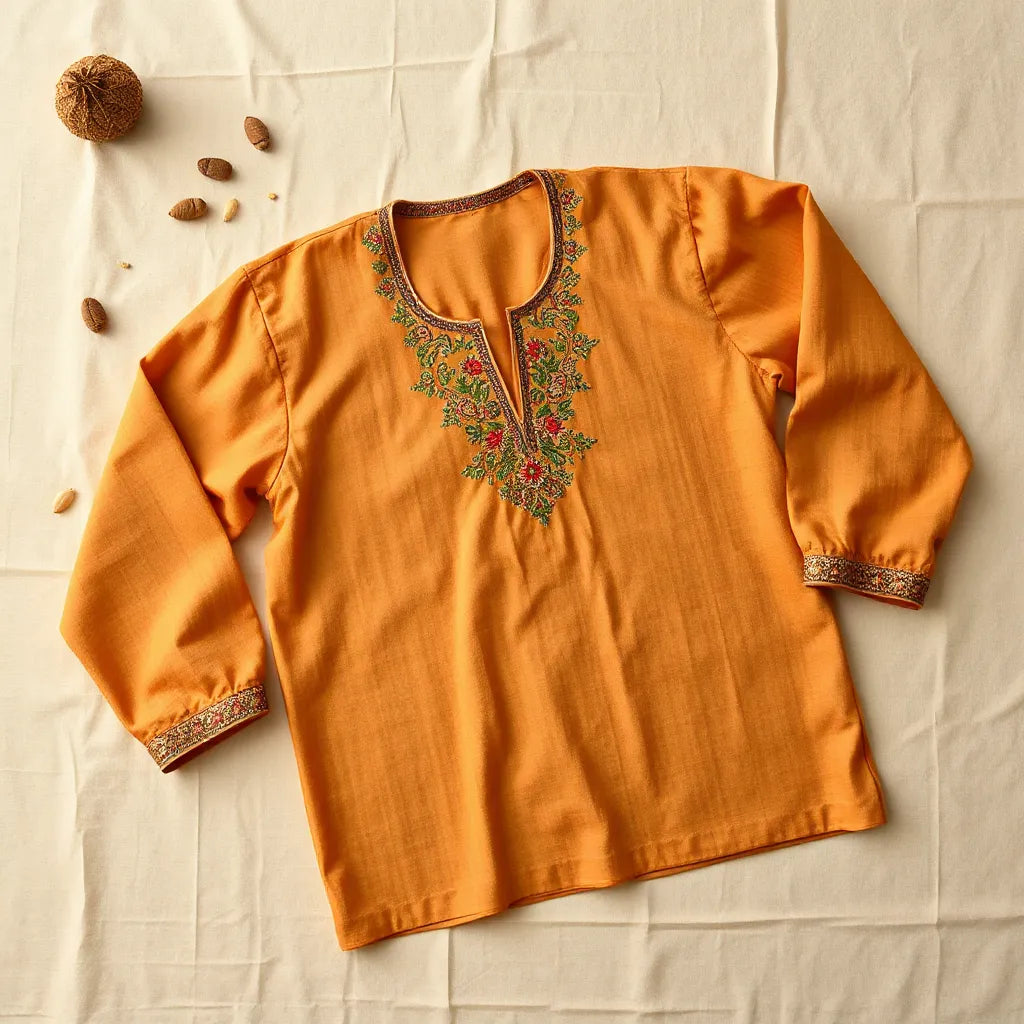
Motif density, seam neatness, and drape alignment cues
Design Signals That Indicate Craft Quality
Heritage embroidery is not only about the pattern. It is also about execution. When you inspect a thobe closely, quality tends to show in repeatable design signals.
1) Motif placement that respects garment structure
Skilled embroidery aligns with the natural flow of the thobe. The motifs should follow the body’s visual lines rather than fighting the seams. This is why the same design can look more harmonious when the base pattern and embroidery plan are developed together.
2) Thread coverage that stays clean
High-quality embroidery usually has stable coverage. The stitches form clear outlines and filled areas without obvious gaps. Evenness is a key indicator, especially on borders and curved shapes.
3) Consistent edging and borders
Borders can reveal a craft workshop’s attention to detail. Neat finishing helps the embroidery look intentional rather than improvised. It also supports long-term wear, since edges are often the first areas to experience stress.
4) Color harmony with the base fabric
The thread color should complement the thobe fabric tone. When the contrast is balanced, the embroidery remains readable without appearing harsh. Color harmony also improves how the thobe photographs in natural light.
For a heritage look that integrates well with modest layering, consider how embroidery interacts with accessories. If you choose bold embroidery on the chest or sleeves, your headwear and underlayer should support the design rather than compete with it.
Matching Wardrobe Essentials
Pairing decisions can strengthen the elegance of a heritage thobe. The goal is visual cohesion and practical comfort.
Choose headwear that balances contrast: If your thobe features strong motifs, a plain or lightly detailed head covering can create a polished frame.
Support comfort with breathable underlayers: Smooth underlayers reduce friction and help the thobe fall naturally.
Coordinate in neutral tones when needed: Neutral accessories allow embroidery to remain the main focal point.
Select outer layers for season transitions: A lightweight cover can preserve the embroidery’s shape by reducing abrasion.
If you prefer a refined headwear base, you may find chiffon options helpful for smooth drape. For a simple start, consider:
Product: Chiffon Plain Hijab
Product image: https://www.palestinianelegance.com/products/plain-hijab
This option supports a clean silhouette under embroidered looks.
To build your headwear setup with reliable modest fit, you can also explore practical inner options such as cotton underscarf coverage or a secure bonnet style like closed bonnet support. For those who prefer a more fashion-forward tie method, tie bandana styling can complement heritage silhouettes without overpowering embroidery.
Many customers also ask how to keep a coordinated look across multiple outfits. One strong approach is to select repeatable neutral shades in your inner layers and rotate your embroidered thobes. This creates a consistent wardrobe rhythm while still honoring each piece’s design identity.

Balanced wardrobe palette and accessory coordination concept
Wrap-Up & Final Thoughts
Choosing heritage embroidered thobes is an investment in craftsmanship and a reflection of personal and family style. When you evaluate fit, fabric comfort, embroidery consistency, and finishing details, you increase the chances of owning a piece that remains beautiful through repeated wear. Use the checklist above to shop with clarity, and approach care as a routine rather than an afterthought. For shoppers ready to explore coordinated modest wear, Palestinian Elegance offers artisan-made options designed to preserve heritage while supporting modern daily life.
To refresh your broader style perspective beyond thobes, you may also browse SAUVAGE RUE.
Disclaimer: This article provides general guidance for garment selection and care. Always follow the specific care instructions included with your garment and consult a qualified professional for specialized cleaning needs.
FAQ Section
How can I tell if embroidery work is high quality?
Look for consistent stitch spacing, tidy outlines, stable thread coverage, and clean border finishing. Quality embroidery usually appears even from both near and moderate viewing distances, and it holds its shape during normal handling.
What should I prioritize when selecting a thobe for daily wear?
Prioritize comfort and drape. Focus on base fabric breathability, secure seams, and a comfortable neckline and sleeve shape. A heritage look can remain practical when the garment is well-constructed and easy to style.
How should I care for embroidery to maintain its appearance?
Handle the garment gently, use appropriate detergent, and follow the care instructions provided. For steaming, use moderate heat and avoid direct pressure on embroidered surfaces. Store the garment in a clean, dry place to reduce friction and dust accumulation.
Can a heritage embroidered thobe be styled for multiple occasions?
Yes. Many heritage designs can shift from formal to semi-formal depending on how you choose headwear, underlayers, and outer garments. A balanced palette supports versatility and keeps the embroidery as the focal point.
Q&A Section
What size should I choose if I prefer a looser modest fit?
Measure a thobe you already wear comfortably, then compare garment measurements such as chest width, sleeve span, and overall length. If you prefer extra ease, select the larger size within the available range while ensuring the neckline and shoulder fit remain supportive.
Are heritage embroidered thobes suitable for warm weather?
They can be, depending on the base fabric and your styling choices. Choose breathable fabric and avoid overly heavy layering. Proper underlayers can also improve comfort by reducing friction and heat buildup.
How do I match headwear with embroidered sleeve motifs?
Coordinate by contrast and balance. If sleeve embroidery is strong, consider a headwear tone that complements the thread color without competing for attention. Smooth drape options help the overall silhouette look cohesive and refined.
About the Author Section
Author: Sulieman Alhazma
Sulieman Alhazma is a boutique fashion and modest wear specialist with expertise in heritage styling, artisan-made embroidery appreciation, and wardrobe coordination for everyday elegance. His focus is on helping customers choose pieces that reflect craft quality and personal comfort. He welcomes thoughtful questions and encourages careful selection based on fit, fabric, and design intent. Thank you for reading, and may your next purchase feel confident and meaningful.
The content in this blog post is intended for general information purposes only. It should not be considered as professional, medical, or legal advice. For specific guidance related to your situation, please consult a qualified professional. The store does not assume responsibility for any decisions made based on this information.