

Updated on: 2026-05-09
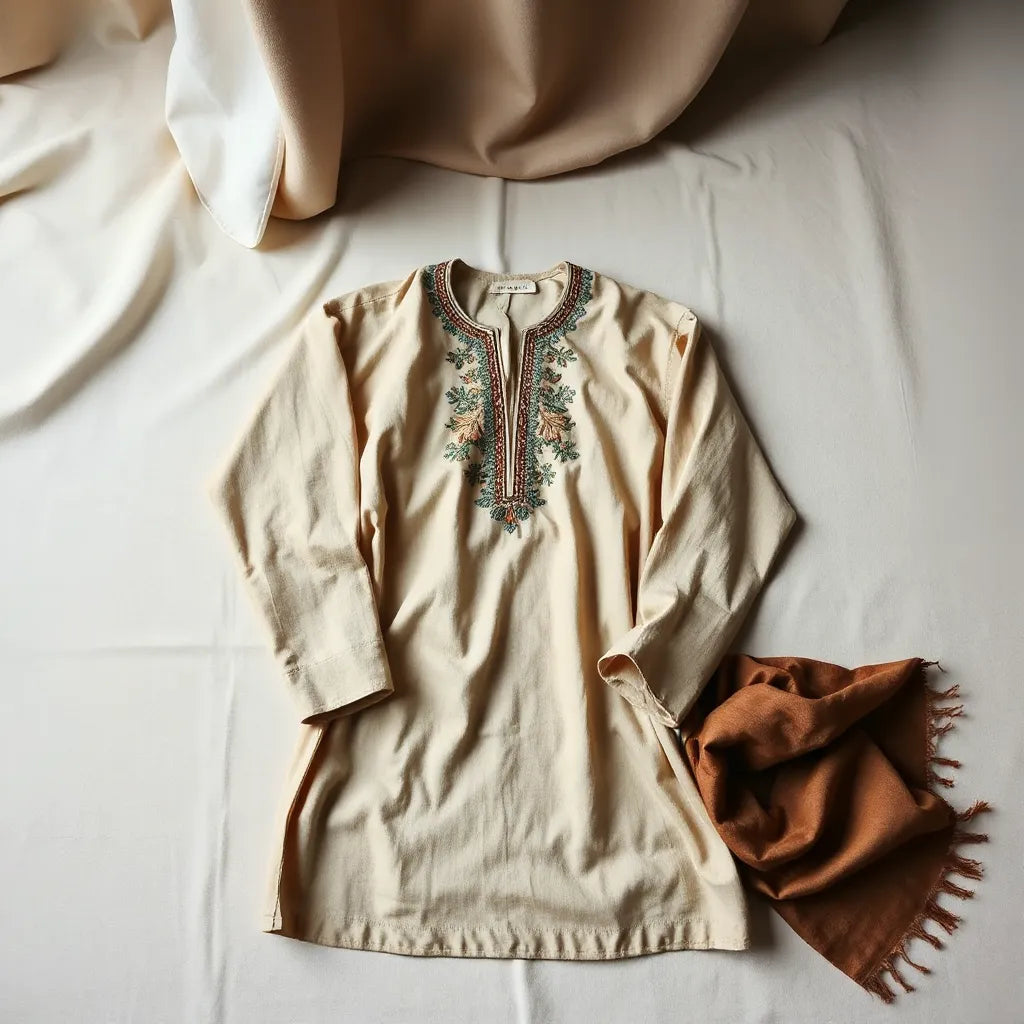
The Sienna Embroidered Heritage Thobe is a refined choice for those who value traditional craftsmanship and modern comfort.
It highlights artisan embroidery details that elevate everyday wear and special occasions alike.
With the right care and sizing approach, this thobe can remain a lasting part of a modest wardrobe.
This guide covers key features, common myths, and practical recommendations to help you buy with confidence.
1. Introduction
2. Product Spotlight
3. Myths vs. Facts
4. Style and Wear Scenarios
5. Care and Longevity
6. Frequently Asked Questions
7. Final Recommendations
8. Q&A Section
9. About the Author Section
Introduction
The Sienna Embroidered Heritage Thobe blends heritage embroidery with a polished, wearable silhouette. In this article, you will learn how to evaluate embroidery quality, how to match the thobe with complementary modest essentials, and how to maintain the garment so its details remain crisp over time. You will also find clear answers to common questions about fabric feel, fit, and styling choices.
Whether you are dressing for family gatherings, formal events, or daily moments that deserve intention, understanding construction and care helps you choose the right piece with confidence.
Product Spotlight
The Sienna Embroidered Heritage Thobe is designed to showcase decorative embroidery while maintaining a refined drape and everyday practicality. The color palette supports a warm, elegant look that pairs well with a range of neutral and earthy accessories. The embroidery adds structured visual interest without overwhelming the garment, creating a balanced appearance that photographs well and wears comfortably.
Key features that make this style stand out include a heritage-inspired embroidery placement, careful finishing for a clean neckline and cuffs, and a silhouette that supports modest movement. The overall design aims to look intentional from every angle, from the front panel to the sleeve details.
Heritage-inspired embroidery for a distinct artisanal character.
Warm, versatile hue that complements many modest wardrobes.
Balanced design that supports both formal and semi-formal wear.
Finishing details that help the garment feel neat and durable.

Warm embroidery motifs on a patterned fabric map
When you choose an embroidered thobe, it is worth looking beyond the visible motif. Consider how the stitching sits on the base fabric, how the edges are finished, and whether the embroidery placement creates a cohesive flow along the garment. These elements often determine how the thobe looks in real life, not only in product photos.
To complete the look, many customers coordinate a thobe with complementary headwear and layering pieces. If you want to explore modest accessories that pair naturally with heritage embroidery, consider browsing Syrian style closed bonnet for a smooth foundation, or premium soft chiffon hijab for a light, elegant drape.
Myths vs. Facts
Embroidery styles are often misunderstood. Here are common misconceptions, answered with practical clarity.
Myth 1: Embroidered thobes are too delicate for regular wear.
Fact: Embroidery does not automatically mean fragility. Quality construction, appropriate fabric choice, and correct washing habits can help embroidered garments remain wearable. The key is handling the garment gently, especially around embroidered areas.
Myth 2: A detailed thobe limits your styling options.
Fact: Thoughtful embroidery often increases styling flexibility. A heritage motif acts as a focal point, while the base color and overall silhouette allow you to pair the thobe with different headwear, belts, or outer layers without visual clutter.
Myth 3: Color choice is only about appearance in photos.
Fact: Color affects daily wear experience. Warm tones can enhance the garment in natural light, while neutral pairings make it easier to create consistent modest outfits. Sienna tones also tend to work well with earthy accessory shades.
Style and Wear Scenarios
The best wardrobe pieces perform across multiple contexts. The embroidered heritage character of the thobe supports several common scenarios.
Family gatherings and community events
For celebrations, the embroidery adds a respectful, ceremonial feel. Pair the thobe with a coordinated modest layer or traditional headwear to create a complete look that feels intentional.
Formal dinners and respectful occasions
When dressing for formal settings, prioritize neat presentation. Choose headwear and outer layers that keep the focus on the garment details. Avoid accessories that compete with embroidery placement.
Daily wear with elevated presence
If your routine includes moments where you want to look polished, an embroidered thobe can serve as a refined daily option. Keep styling simple: a clean headwear base, minimal contrasting patterns, and comfortable footwear.
Many shoppers also coordinate their modest wardrobe using reliable foundational pieces. For example, an underscarf bonnet can help keep layers smooth and comfortable beneath a hijab or headwrap.

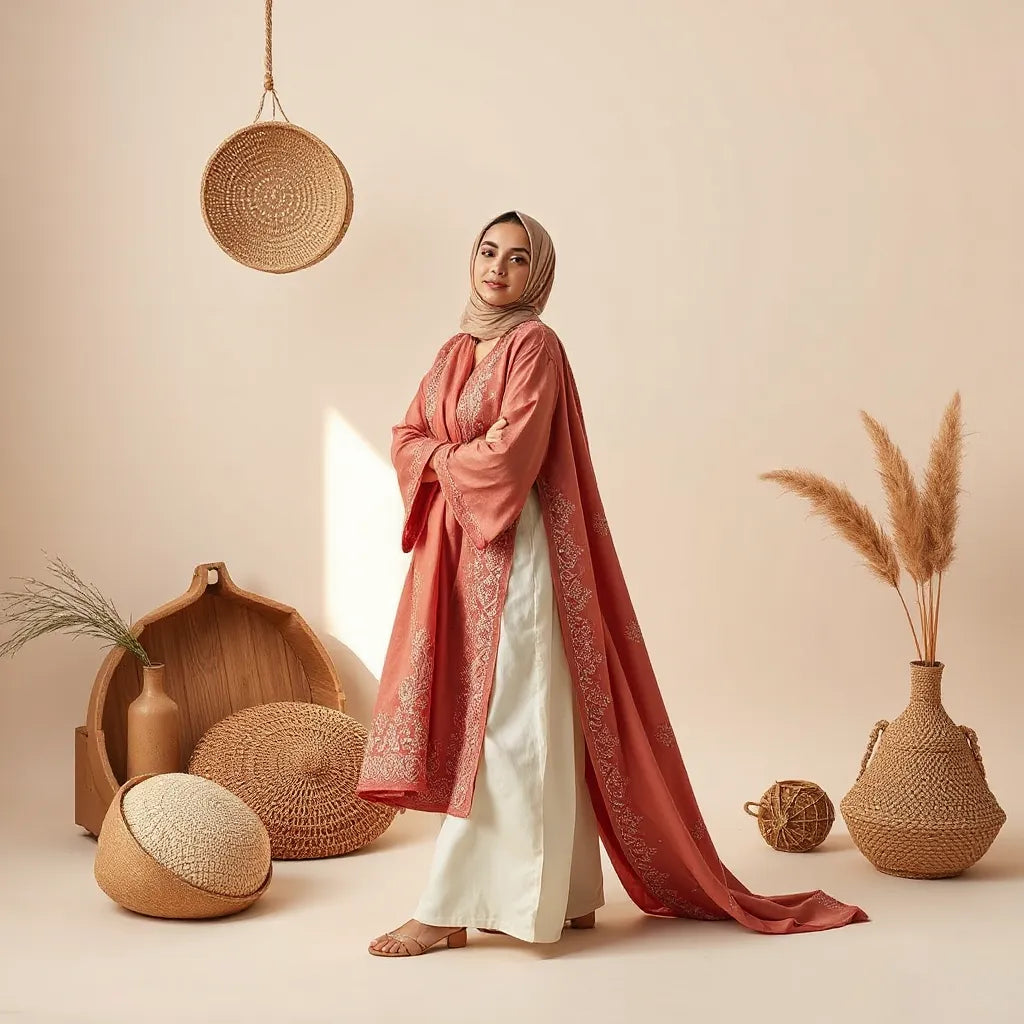
Neutral outfit layering with embroidery focal balance
When selecting complementary garments, use a balancing principle. Let embroidery be the focal point, and let the rest of the outfit support it. This principle reduces visual noise and helps your look remain cohesive from day to day.
Care and Longevity
Embroidery is a form of textile craftsmanship. Proper care helps preserve the base fabric, maintain embroidery definition, and prevent fading or loosening of threads.
Washing approach
Wash gently to reduce stress on stitched areas.
Use mild detergent and avoid harsh chemicals.
Prefer cold or lukewarm water when possible.
Air dry flat or hang to minimize friction and wrinkling.
Handling after washing
After drying, store the garment carefully. Avoid compressing embroidery under heavy items. If steaming is needed, keep heat at a safe distance from stitched regions. Always follow the specific care instructions provided with your garment, as embroidery and base fabrics may vary.
Ironing and steam considerations
For best results, iron the base fabric with caution and consider using a pressing cloth. Embroidered areas may require gentler heat and reduced direct contact to protect thread integrity.
By applying consistent care habits, you help the garment maintain its tailored look and decorative clarity. Over time, careful maintenance can be what separates “worn once” from “a lasting wardrobe favorite.”
Frequently Asked Questions
What makes an embroidered heritage thobe different from basic styles?
The defining element is the embroidery work, which adds handcrafted texture and visual structure. Heritage placement often creates a balanced look that feels ceremonial while still remaining wearable.
How should I choose the right fit for a thobe?
Select your size based on intended comfort and drape. If you prefer a relaxed feel for movement, you can lean toward a slightly looser fit. For a crisp presentation, choose a size that aligns with your natural shoulder and sleeve length without pulling across embroidered areas.
What styling pieces pair well with embroidered thobes?
Choose modest essentials that support the embroidery rather than competing with it. Smooth headwear layers, neutral scarves, and minimal outer layers typically work best. If you want a seamless head foundation, consider Syrian style open bonnet or a cotton underlayer.
Final Recommendations
If you are considering the Sienna Embroidered Heritage Thobe, begin with your priorities. Determine whether you want it for a specific occasion, for a seasonal wardrobe refresh, or as a go-to statement piece for daily wear. Then evaluate the garment with three checks: embroidery quality, base fabric drape, and finishing details around the neckline and cuffs.
Next, plan your coordination. Keep complementary pieces in a similar value range. Warm tones generally pair well with neutral and earthy shades, while clean, solid headwear helps embroidery remain the visual focus.
Finally, treat care as part of ownership. Mild washing habits, careful drying, and gentle handling near stitched regions protect the garment’s craft. With consistent care, you preserve the garment’s character and extend its usability across years.
Q&A Section
Can I wear an embroidered thobe for both formal and informal events?
Yes. The right styling determines the formality. For formal settings, keep accessories minimal and choose a clean headwear base. For informal events, pair it with simpler layers so the embroidery still reads clearly without becoming overly ceremonial.
How can I protect embroidery when I travel or store the garment?
Store the thobe in a breathable garment bag and avoid placing heavy items directly on embroidered panels. When traveling, use garment covers and prevent friction by keeping the fabric layers separated where possible.
What is the best way to keep the thobe looking neat over time?
Follow care instructions closely, air dry gently, and minimize direct heat on embroidered areas. If creases appear, use light steaming or cautious pressing with a protective cloth to reduce stress on the stitching.
Which modest essentials help complete the look?
Consider headwear that provides a smooth base and natural drape. A cotton bonnet or underscarf can help maintain comfort and structure. For a lighter styling option, explore chiffon hijabs such as Garden Heritage chiffon to harmonize with warm embroidery tones.
About the Author Section
Sulieman Alhazma is a fashion and modest-wear specialist with expertise in artisan textiles, heritage-inspired design, and wardrobe coordination. He focuses on how craftsmanship meets daily comfort, with practical guidance for choosing and maintaining embroidered pieces. You can expect clear, respectful recommendations rooted in real shopping needs. Thank you for reading.
Disclaimer: This article provides general style and care guidance. Product details and care instructions can vary by item and batch, so always follow the specific instructions included with your garment.
The content in this blog post is intended for general information purposes only. It should not be considered as professional, medical, or legal advice. For specific guidance related to your situation, please consult a qualified professional. The store does not assume responsibility for any decisions made based on this information.