

Updated on: 2026-07-19
Fashionable cultural outfits connect personal style with lived heritage. The best looks balance comfort, proportion, and intentional fabric choices. When you select pieces with thoughtful craftsmanship and a clear silhouette, your outfit reads polished without effort. This guide explains how to plan a cohesive wardrobe, avoid common styling errors, and choose versatile modest essentials.
- Common Mistakes
- Buyer’s Checklist
- How to Style Fashionable Cultural Outfits
- Fabric and Fit Considerations
- Capsule Outfit Ideas
- FAQ
- Wrap-Up & Final Thoughts
Common Mistakes
Many shoppers want an outfit that looks refined, but a few predictable errors can reduce the overall impact. One frequent problem is choosing mismatched weights. A thin layer over a heavy outer piece can cause uneven drape and visible tension lines.
Another issue is ignoring color rhythm. Cultural outfits often rely on harmony between base tones and decorative accents. When the accessories compete for attention, the look may appear busy instead of intentional.
In addition, some buyers select pieces that are not sized for movement. Modest dressing still requires room for daily activities. Tight seams at the shoulders, elbows, or waist can create discomfort and reduce the quality of the silhouette.
Finally, many people underinvest in the finishing layer. Underscarves, inner hijabs, and careful styling help the outer garment sit correctly. Without proper foundation, even high-quality fabrics may not achieve the intended lines.
Buyer’s Checklist
Use this checklist when evaluating fashionable cultural outfits, whether you shop for daily wear or event-ready styling.
- Silhouette clarity: Identify whether the look should be flowing, structured, or layered. Choose pieces that support that direction.
- Fabric compatibility: Confirm that layers complement each other in weight and breathability.
- Color strategy: Start with one dominant tone, add one supporting tone, and keep decorative elements in balance.
- Construction quality: Look for clean finishing, smooth hems, and consistent stitching.
- Comfort and mobility: Ensure adequate movement at the shoulders, arms, and torso.
- Foundation readiness: Plan for underscarves or inner layers that prevent shifting and improve drape.
- Occasion fit: Match the level of detail to the setting, from minimal everyday elegance to statement craftsmanship.
How to Style Fashionable Cultural Outfits
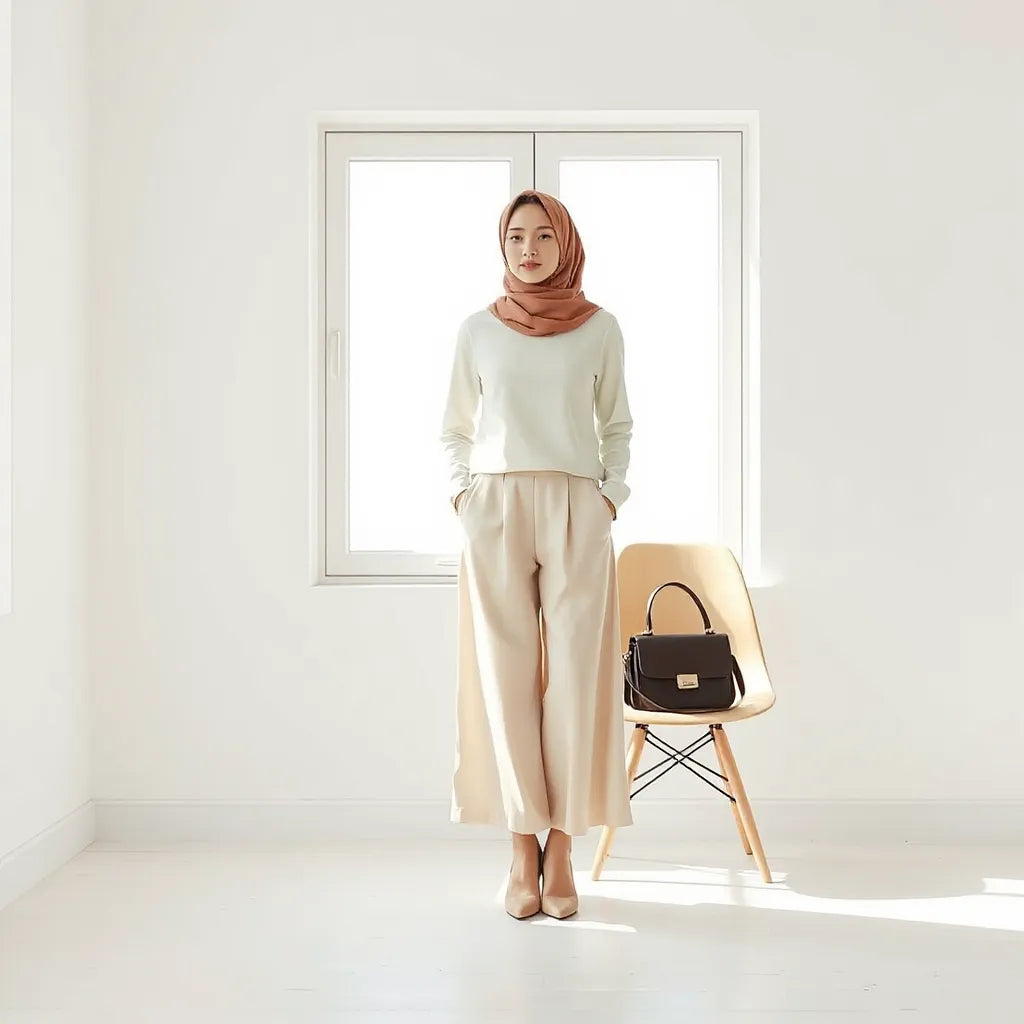
Styling becomes easier when you treat the outfit as a system: foundation layer, outer silhouette, and finishing details. Begin with a base that sits smoothly. Next, add the main garment and check the overall proportions. Finish with coordinated accessories such as a hijab style, tie-band details, or embroidery-forward accents.

Layered silhouettes, balanced tones, and graceful drape cues
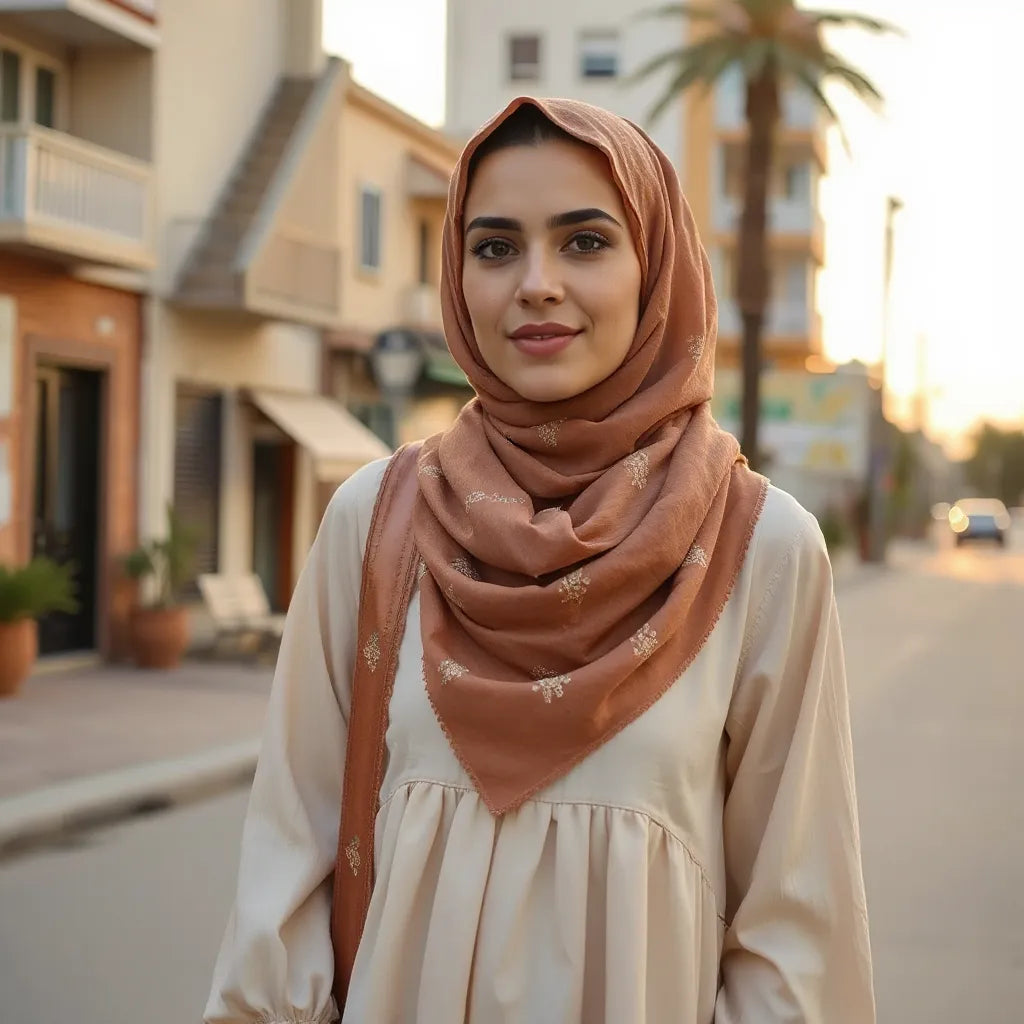
For a refined effect, keep your lines clean. If your outer garment features embroidery or textured detailing, choose accessories that do not overcompete. If your outfit is more minimal, you can use richer accents such as a heritage-inspired print or a subtly embellished trim.
Consider also your vertical and horizontal cues. Scarves and hijab styles can lengthen the look when they follow a deliberate direction. Where possible, match your scarf movement with the garment’s structure. This helps the outfit feel cohesive rather than assembled from unrelated items.
When you dress for gatherings or visits, prioritize repeatable styling. Fashionable cultural outfits should be wearable across multiple days. Select a color palette that works with your wardrobe, then add one focal detail, such as a decorative bow design, a crafted tie-band, or embroidery placement that frames the neckline.
To explore heritage-forward modestwear options, you can review curated categories at simply styled abayas and build from there with compatible hijab layers.
Fabric and Fit Considerations
Fabric choice is central to fashionable cultural outfits because modest dressing depends on both comfort and visual flow. Lightweight fabrics can create an airy silhouette, while more structured materials add shape and clarity. Aim for a balance that supports the garment’s intent.
For head and neck styling, choose inner layers that provide stability. Many shoppers benefit from a cotton inner solution that reduces slipping and supports a smooth profile under the outer hijab. You can consider a dependable base like cotton underscarf support for consistent drape.
Outer hijab fabrics also affect how the look photographs and moves. Chiffon and similar soft drapes can produce elegant movement, while slightly more textured options can hold shape longer. If you want an elevated finish for gatherings, chiffon collections with heritage-inspired color stories may provide a polished appearance.
Fit should be evaluated in motion, not only while standing still. Raise your arms, adjust your posture, and check whether the garment shifts at the neckline and waist. A well-fitted piece will remain comfortable and will preserve the intended silhouette. This is especially important when layering for cooler evenings or when walking for extended periods.
Another overlooked factor is seam placement. Seams that sit too close to natural lines can pull fabric and create visible creases. Better construction distributes stress more evenly and improves long-term wear.

Fabric weight comparison with flowing versus structured drape
To achieve a consistent look, pair your head styling with the garment’s neckline. If the outfit features a defined collar or decorative opening, align the scarf edge and maintain a clean border line. For a softer neckline, allow a gentle fold rather than a hard edge.
Finally, consider seasonal practicality. Even within a single style direction, you can keep your wardrobe functional by selecting fabrics with appropriate breathability. This supports comfort while preserving the visual identity of your cultural aesthetic.
Capsule Outfit Ideas
A capsule wardrobe makes fashionable cultural outfits easier to repeat. You reduce decision fatigue and build combinations that always look coordinated. Start with two or three base silhouettes, then add head styling and decorative accents.
Idea 1: Everyday heritage elegance
Choose a modest outer garment with minimal, refined detailing. Pair it with a smooth hijab foundation and a chiffon or soft-drape overlay. Keep color contrast moderate and focus on clean finishing. This approach works well for school runs, office days, and calm visits.
Idea 2: Event-ready craftsmanship focus
When the occasion calls for a statement, let one element carry the design. Select an outfit with heritage detailing such as modern embroidery placement or textured artisan finishing. Complement it with a hijab that supports the neckline and frames the face without distracting from the craftsmanship.
Idea 3: Balanced layers for seasonal movement
Build a layered look using compatible weights. Use a supportive inner hijab layer to maintain structure, then add a lighter outer scarf for flow. Ensure that the movement of the scarf matches the garment’s drape so the outfit reads intentional from every angle.
If you want a cohesive starting point for modest, polished styling, consider a hijab that aligns with your preferred coverage level. For example, cotton two-piece styling can simplify day-to-day dressing by combining foundation and finishing in one approach.
For those who favor a more tailored head shape, explore options like a bonnet style that supports consistent coverage under movement, and then build the exterior scarf around it. The goal is not to collect multiple unrelated pieces, but to create a repeatable system.
FAQ
What makes an outfit “cultural” while still looking fashionable?
An outfit becomes cultural when its silhouette, patterns, or detailing reflect recognized heritage elements. It becomes fashionable when the look is styled with modern proportion, balanced color coordination, and fabric choices that create a clean drape. The most successful combinations respect tradition while meeting contemporary comfort and aesthetics.
How do I choose hijab styles that match different cultural outfits?
Start by matching the hijab’s structure to the garment’s neckline and level of detailing. If the outer garment is heavily decorated, choose a calmer head styling with smooth edges. If the garment is minimal, you can select a scarf with richer texture or gentle movement. Using a stable inner foundation helps every hijab style sit correctly and maintain a polished silhouette.
What should I prioritize when building a small wardrobe of fashionable cultural outfits?
Prioritize versatility: select two or three outer silhouettes that work across multiple occasions, then add compatible head styling and one set of coordinating accessories. Focus on reliable fabric weights that layer well and maintain shape. When pieces share a cohesive color palette, you can create new combinations without buying items that do not integrate with your existing wardrobe.
Are cultural outfit pieces suitable for daily wear?
Yes. Many cultural garments and head styles can be worn daily when you select breathable fabrics, ensure comfortable fit, and keep decorative elements balanced. Choose details that enhance the silhouette without requiring overly formal styling. Daily wear also benefits from foundation layers that reduce shifting and improve comfort.
Wrap-Up & Final Thoughts
Fashionable cultural outfits succeed when they are built like a system: foundation layers support structure, outer garments define silhouette, and finishing choices create harmony. By avoiding common styling errors and using a clear buying checklist, you can select pieces that feel comfortable, look refined, and remain wearable across seasons. The most elegant dressing is not accidental. It is intentional, consistent, and grounded in craftsmanship.
If you want to refine your wardrobe with dependable modest foundations and heritage-forward styling, explore artisan-made options at Palestinian Elegance, and build combinations that reflect your identity with confidence.
To get started, you may browse soft chiffon hijabs for polished drape and then pair them with an underscarf foundation for consistent fit.
Q&A Section
How can I keep my outfit from looking mismatched?
Choose one dominant color family, then add one coordinating accent. Keep accessory detailing proportional to the outer garment. A stable foundation layer also reduces shifting, which prevents the look from appearing assembled instead of styled.
What is the best way to evaluate fabric quality for long-term wear?
Assess seam finishing, hem consistency, and how the fabric behaves when layered. Fabrics used for modest wear should maintain shape and drape without feeling overly delicate or easily distorted. If you notice stress pulling in the shoulder or neckline while moving, consider a different cut or fabric weight.
Can I create multiple looks from a small number of pieces?
Yes. A capsule approach works best when garments share compatible proportions and color logic. Add variation through hijab folds, accessory placement, and controlled decorative focus. Over time, you will develop a reliable set of combinations that always appear coherent.
About the Author
Sulieman Alhazma is a fashion and modest styling expert with a focus on heritage-inspired wardrobes and quality-driven selection. With experience analyzing garment construction, color coordination, and cultural aesthetics, Sulieman supports shoppers in building outfits that feel confident and cohesive. Palestinian Elegance reflects a family-owned commitment to cultural preservation and artisan empowerment. Sulieman welcomes you to style with intention and wear your heritage with pride.
The content in this blog post is intended for general information purposes only. It should not be considered as professional, medical, or legal advice. For specific guidance related to your situation, please consult a qualified professional. The store does not assume responsibility for any decisions made based on this information.