

Updated on: 2026-07-19
Modern modest wear is more than a style choice. It is a practical way to dress with confidence while keeping comfort and coverage in mind. Today’s best looks balance refined silhouettes, breathable layers, and thoughtful fabric selection. This guide explains what to look for, how to build outfits, and which styling habits create a polished result across seasons.
Modern modest wear: a confident approach to everyday style
Modern modest wear brings structure, comfort, and elegance into daily dressing. Many people want clothing that supports a lifestyle while still looking intentional. The challenge is finding pieces that layer well, move easily, and maintain a clean, elevated finish. With the right approach, modest style can feel effortless rather than restrictive.
This article covers how to plan outfits, choose fabrics, and refine details so your look remains flattering and wearable. You will also find styling strategies that translate across workdays, events, and family gatherings, without relying on short-lived trends.
Personal Experience
I began dressing for modesty with a practical mindset. At first, I focused only on coverage. Over time, I noticed that outfits looked best when I treated modest style like a complete design system. The moment I paid attention to silhouette balance, fabric flow, and neckline harmony, the entire wardrobe felt more cohesive. Friends also started asking how I achieved the “put-together” look so quickly.
That experience reinforced a simple truth: modest wear does not have to look basic. When you choose modern modest wear with intention, you get both comfort and clarity. You also avoid the common frustration of layers that bunch, fabrics that cling in the wrong places, or styles that feel out of proportion.
Key Advantages of modern modest wear
- Comfort through layering: Thoughtful inner and outer pieces create breathable coverage without sacrificing ease of movement.
- Timeless styling: Clean lines and versatile colors support repeated wear across seasons.
- Confidence and clarity: A well-fitted outfit reduces wardrobe anxiety and helps you feel at ease in social settings.
- Design opportunities: Modesty-friendly details such as embroidery, graceful drape, and refined textures allow personal expression.
- Practical versatility: With the right base garments, you can adapt your look for formal and casual environments.

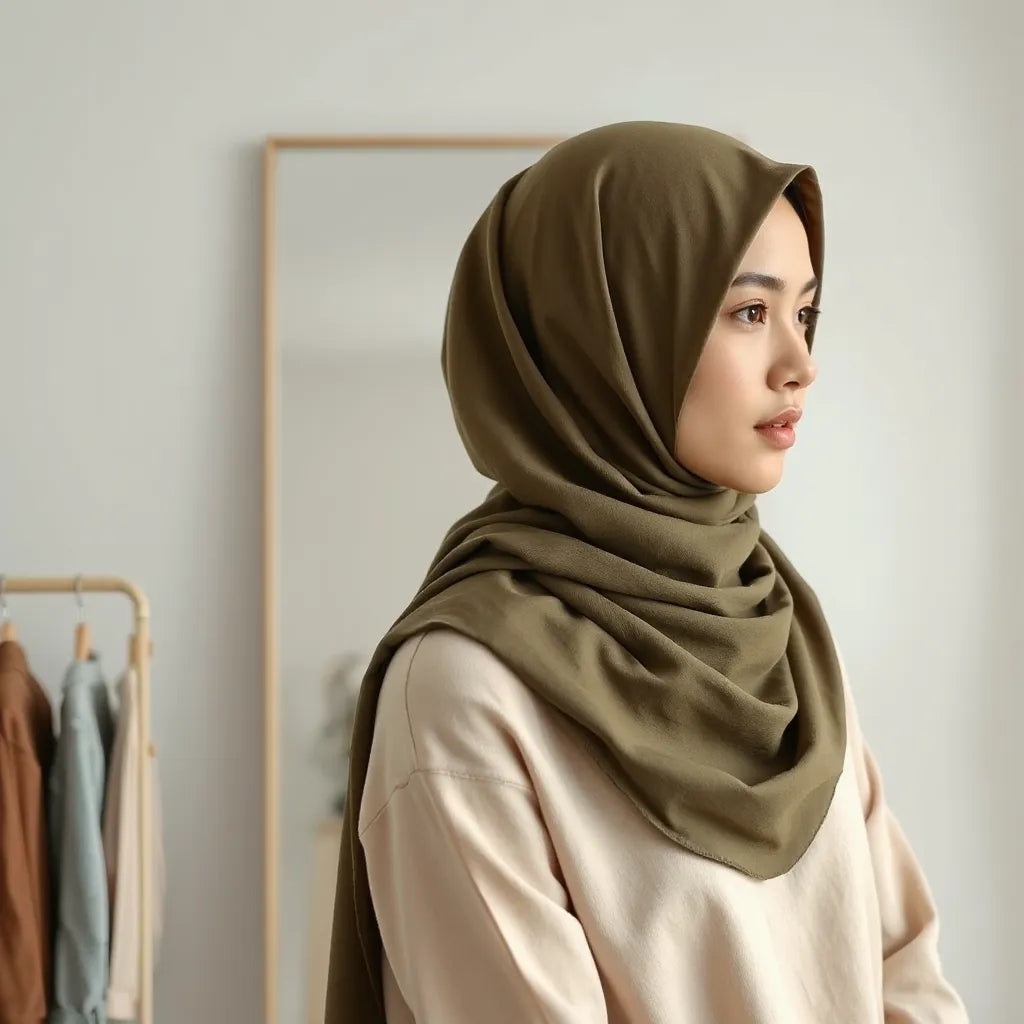
Layered silhouettes, balanced drape, and calm color harmony
A Practical Fashion Framework for modest outfits
To build modern modest wear that looks polished, it helps to use a repeatable framework. Instead of choosing pieces in isolation, plan your outfit in layers and then refine the visual priorities. This approach also makes shopping more efficient because you can evaluate each item based on how it fits into a system.
Start with the foundation layer
Your inner layer shapes comfort and helps outer garments hang correctly. Choose breathable materials and smooth seams that do not create bulk. When your foundation is well designed, the rest of the look becomes easier. You also reduce shifting, which is one of the most common causes of discomfort during the day.
Select an outer silhouette that matches your activity
Consider how you move. If you will be walking or traveling, choose an outer piece with enough room through the shoulders and arms. For desk work, a structured drape often looks crisp and intentional. For events, you can emphasize elegance through texture and finish rather than volume.
Create visual rhythm with color and texture
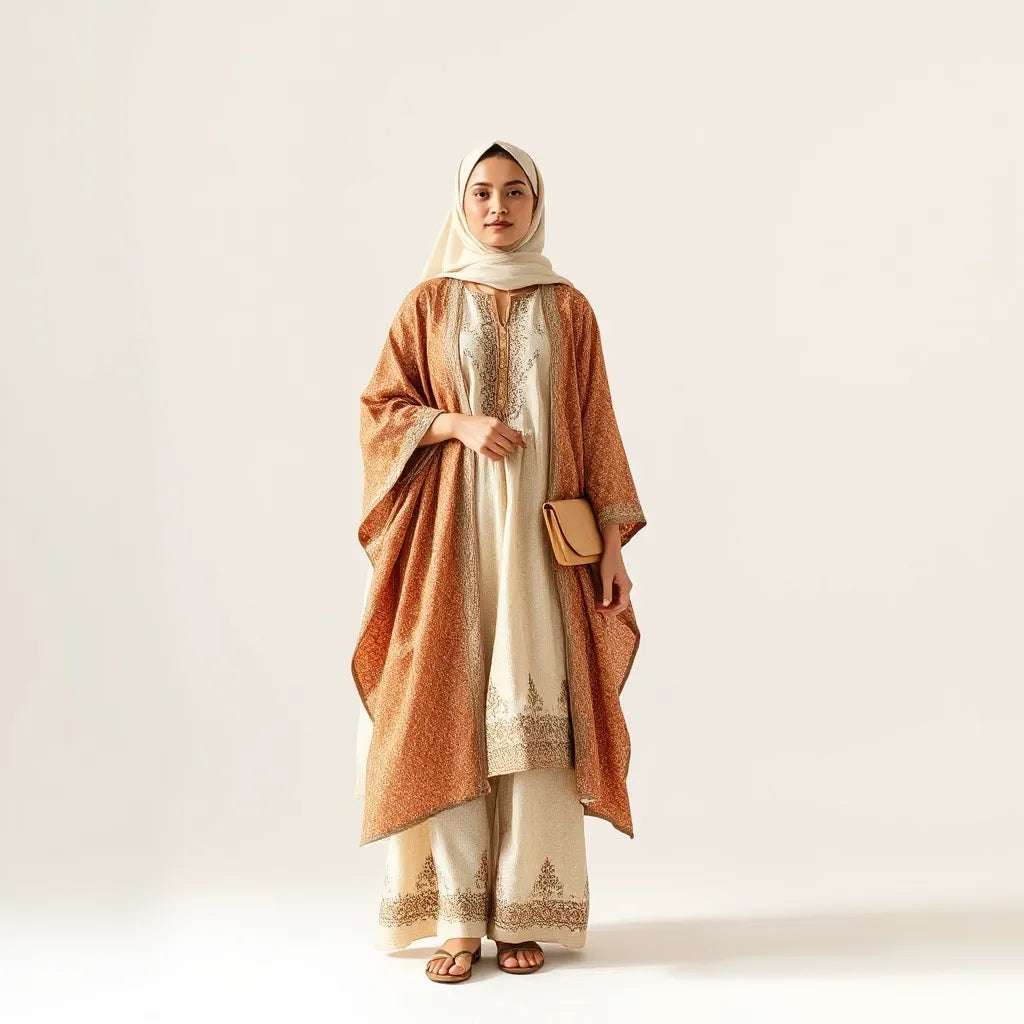
Modest style often benefits from a controlled palette. You can create depth without overcomplicating the outfit. For example, pair a solid base with a garment that has subtle texture or artisan details. If you prefer pattern, keep the rest of the outfit simple so the overall effect remains refined.
Use one statement detail, not many
Choose one element to be the focal point. This could be embroidery, an accent texture, or a carefully matched accessory. When multiple details compete, the outfit can appear busy even when coverage is high. A single focal point supports a clean modern look.
Fabric and Fit Considerations for modern modest wear
Fabric selection and fit are often the difference between modest clothing that looks deliberate and pieces that feel like compromises. The goal is to choose materials that offer drape, breathability, and reliable shape. You also want the garment to fall naturally, reducing the need for constant adjustment.
Drape determines elegance
Look for fabrics that move with you and return to shape. Draping materials create a smooth line from shoulders to hem. This is especially important for layered outfits, where you want each layer to complement the next rather than fight against it.
Breathability keeps the outfit wearable
Comfort is not optional. Even the most beautiful outfit becomes frustrating if the fabric does not regulate heat. Choose options known for good airflow and manageable weight. When you want a more structured look, select fabrics with stability but still allow ease around the body.
Fit should follow the body, not fight it
A common issue in modest style is the tendency to size up too far and then rely on additional layering to fix the shape. This can create extra bulk and reduce elegance. Instead, aim for a fit that supports natural movement and then adjust with layering where it matters, such as at the neckline or sleeve area.
Consider inner garments designed for modest layering
Many people underestimate how much inner garments influence the final appearance. A well-fitted inner piece can help your outer layer sit correctly and reduce visible lines. For readers seeking a dependable foundation, explore purpose-built inner options such as cotton underscarf and bonnet styles. These options can support comfort and stability for long wear.
Match hijab structure with outfit silhouette
If you wear a head covering, the structure of the hijab can either elevate or complicate the outfit. A modern approach balances softness with shape. You can also choose styles with supportive construction to keep drape consistent. For example, consider structured stretch hijab options when you want a reliable hold and a clean finish.

Fabric swatches, flow lines, and color-coordinated layers
Quick tips to style modern modest wear with ease
- Balance volume: If your outer layer is flowing, keep inner layers closer to the body for a tidy silhouette.
- Choose a neckline strategy: Coordinate the neckline with your hijab framing or accessory placement so the top half looks intentional.
- Prioritize clean seams: Visible seams can reduce the “finished” look, especially under lightweight outer fabrics.
- Repeat successful colors: Build a small set of dependable neutrals and muted tones. You can mix them with refined accents.
- Use texture strategically: Add interest through embroidery, woven details, or matte-to-satin contrast rather than relying on loud prints.
- Plan for movement: Check how sleeves and hems behave when you walk. Modesty should never restrict activity.
- Store to preserve shape: Fold structured pieces carefully and hang drapier items to maintain fall and reduce wrinkles.
Summary and next steps
Modern modest wear is a refined approach to dressing that centers comfort, drape, and deliberate styling. When you use a consistent outfit framework, select breathable fabrics, and aim for balanced fit, your modest looks become simpler and more flattering. The result is clothing you can wear with confidence across daily life.
If you want to improve your wardrobe quickly, start with one dependable foundation layer, then add an outer silhouette that matches your routine. Finally, choose a single statement detail to create a polished finish. For curated inspiration that blends tradition with modern presentation, visit Palestinian Elegance and explore artisan-made modest options.
Q&A
What defines modern modest wear compared with basic modest clothing?
Modern modest wear emphasizes contemporary silhouettes, thoughtful fabric behavior, and intentional styling. It often focuses on clean lines, balanced proportions, and comfortable layering. The goal is not only coverage, but also a finished look that feels current and practical for everyday use.
How can I avoid bulk when layering multiple pieces?
To reduce bulk, begin with a foundation layer that fits smoothly and supports drape. Then choose outer pieces with a controlled fall instead of excessive volume. Color and texture planning also help, because a clear visual hierarchy makes layers look intentional rather than crowded.
Which details make modest outfits look elevated without added complexity?
Elevating details often come from fabric quality, subtle texture, and well-considered finishing. Look for consistent drape, neat seams, and coordinated framing at the neckline or head covering. When you select one focal element such as fine embroidery or a refined matte texture, the entire outfit can appear more sophisticated.
About the Author
Sulieman Alhazma
Sulieman Alhazma is a fashion-focused writer and modest style specialist with expertise in outfit planning, fabric behavior, and artisan-led design principles. He emphasizes practical elegance and supports shoppers in choosing pieces that work together across seasons. His approach is rooted in respectful cultural craftsmanship and modern daily usability. He would like to thank you for reading and invites you to build a wardrobe that feels confident, comfortable, and intentional.
Disclaimer: This article is for general informational purposes only and does not constitute professional fashion or tailoring advice. Individual preferences, body types, and climate conditions vary, so readers should evaluate fit, fabric feel, and comfort for their own needs.
The content in this blog post is intended for general information purposes only. It should not be considered as professional, medical, or legal advice. For specific guidance related to your situation, please consult a qualified professional. The store does not assume responsibility for any decisions made based on this information.