
Updated on: 2026-08-03
Elegant scarf styles offer more than an attractive finish. They create structure around the face, add movement to an outfit, and help you express personal taste while staying comfortable throughout the day. With the right drape, weight, and color pairing, a scarf becomes a styling tool rather than a simple covering. This guide explains how to choose fabrics, tie shapes, and color combinations that look polished in everyday settings and special occasions.
Table of Contents
- 1. Product Spotlight: Digital Chiffon in Botanical Heritage
- 2. Elegant Scarf Styles: Essentials That Make the Look
- 3. Fabric and Weight: How Drape Changes Everything
- 4. Tie and Drape Techniques for a Refined Silhouette
- 5. Color and Pattern Coordination for a Balanced Outfit
- 6. Care and Finish: Keeping the Style Crisp
- 7. Pros & Cons Analysis
- 8. FAQ Section
- 9. Conclusion & CTA
- 10. About the Author Section
Product Spotlight: Digital Chiffon in Botanical Heritage
When many people search for elegant scarf styles, they focus on the knot or the color first. However, the foundation is the material. A lightweight chiffon with a refined print can elevate an entire look because it adds softness, subtle texture, and controlled movement. The following product is a strong example of that effect, especially when you want a graceful drape that still feels intentional.

Soft fabric waves and botanical motifs in motion
Botanical Heritage – Digital Chiffon Collection

Shop Botanical Heritage – Digital Chiffon Collection
Digital chiffon designs are particularly helpful if you want pattern definition without visual heaviness. Chiffon also pairs well with different layering methods, including under-scarf support and structured tying. If your goal is a clean, sophisticated finish, choose a scarf that offers both transparency management and stable drape.
Elegant Scarf Styles: Essentials That Make the Look
Elegant scarf styles succeed when the styling choices align with the wearer’s needs: comfort, coverage preferences, and the desired level of formality. The most polished results come from three consistent decisions. First, select a fabric that matches the setting. Second, build a tie that supports the face shape. Third, coordinate colors so the scarf looks intentional rather than accidental.
Start with your styling goal
Think about the outcome you want. A formal look typically benefits from a more controlled drape and a balanced placement of the scarf on the shoulders. A daily look usually looks best when the scarf stays secure with minimal adjustment. If you tend to re-tuck your scarf throughout the day, prioritize secure tie shapes and supportive underlayers.
Use support to improve stability
Even the most elegant fabric can shift if the base is unstable. An under-scarf or bonnet can reduce slippage and help the outer scarf maintain its silhouette. Many styles also look smoother when there is a consistent foundation line around the forehead and sides of the face.
Plan for movement
Elegant does not mean stiff. The best drapes respond naturally to walking, turning, and sitting. If the scarf feels overly rigid, the styling may look forced. If it feels too fluid, it may look unfinished. You can find the balance by adjusting fabric weight, drape length, and pin placement.
Fabric and Weight: How Drape Changes Everything
Fabric choice determines how your scarf behaves. Weight affects how the material falls, while weave and finish affect how light reflects. The goal is a drape that flatters the face and holds its shape around the neckline.
Chiffon for airy elegance
Chiffon is often chosen for refined styling because it falls in soft layers. It works well for special events, evening outfits, and polished daytime looks. For best results, pair chiffon with a supportive underlayer so the outer scarf looks smooth without exposing uneven edges.
Cotton for breathable structure
Cotton styles provide comfort and reliability. They can be easier to manage because they tend to hold their form more than very lightweight fabrics. Cotton is a strong option when you want a neat appearance with less movement. It also pairs well with more detailed outfit textures, including embroidered garments.
Consider slip and layering
Layering is not only functional; it also changes the final visual line. When chiffon is layered over a stable base, it looks intentional and stays aligned. If the outer scarf keeps creeping, the underlying foundation may be too slick or the tie may not be anchored properly.

Layered fabric silhouettes showing stable base layers
Tie and Drape Techniques for a Refined Silhouette
Elegant scarf styles often look complex, yet many refined methods share the same principles: secure anchoring, balanced coverage, and deliberate shoulder shaping. You do not need a complicated knot to achieve a tailored finish.
Choose a shape that frames the face
Different drapes create different framing effects. A style that distributes fabric evenly around the temples and sides of the face can soften sharp angles. A style with a slightly higher neckline can elongate the look. If you prefer a more defined silhouette, use controlled folds and keep the front drape consistent.
Use smart anchoring points
Anchors can be functional and invisible when done correctly. The right points are typically near the forehead area, along the sides, and at the shoulder line. When those areas are stable, the rest of the scarf can fall naturally. This is where under-scarf support becomes valuable.
Balance volume with line
If your scarf has a bold pattern, balance the volume so the pattern remains readable. For example, excessive front volume can obscure the design placement. A calmer drape lets the print appear deliberate and gives the outfit a more refined rhythm.
If you want a supportive base for elegant styling, consider an under-scarf option from Palestinian Elegance. For instance, you can explore a cotton inner solution here: cotton inner hijab.
Color and Pattern Coordination for a Balanced Outfit
Color coordination is the difference between a scarf that looks styled and one that looks incidental. Elegant scarf styles typically follow a simple rule: the scarf either complements the outfit tones or provides a controlled contrast that highlights the overall look.
Use tone-on-tone for quiet sophistication
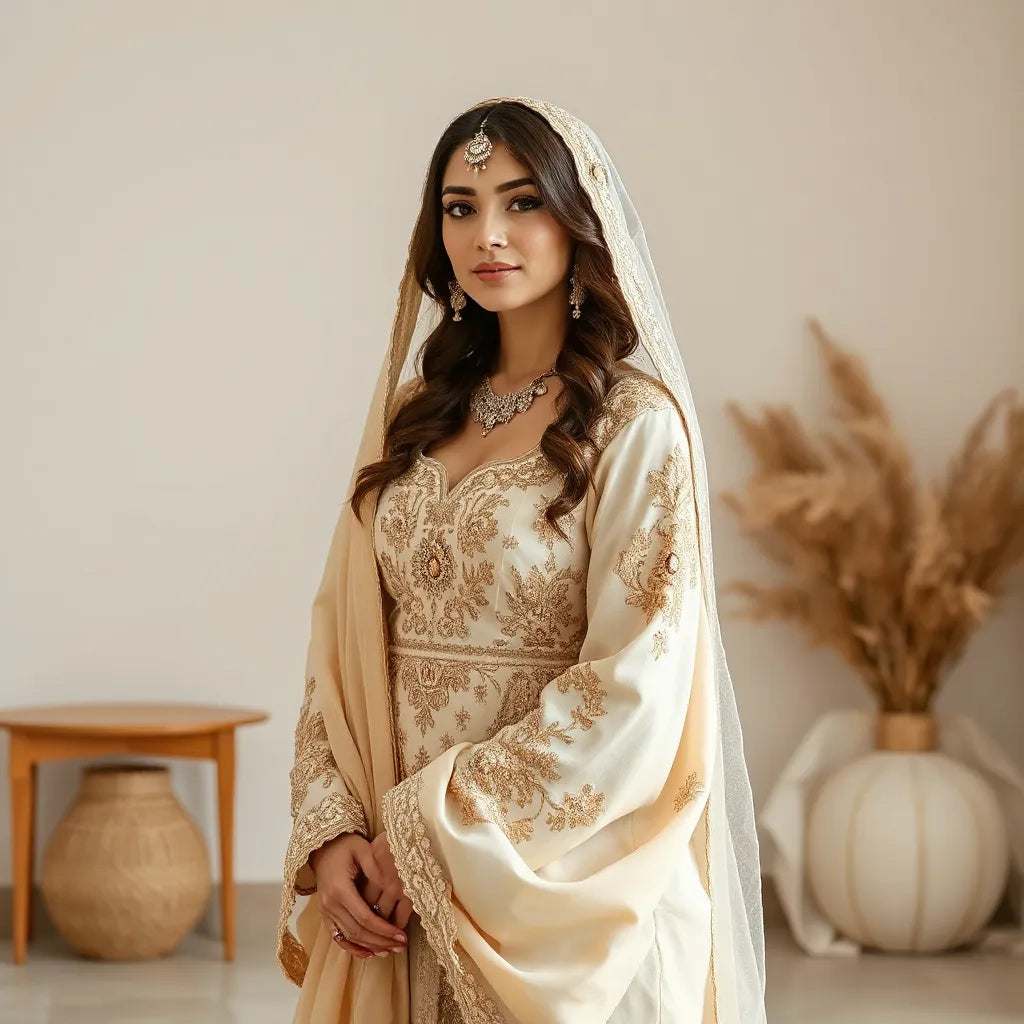
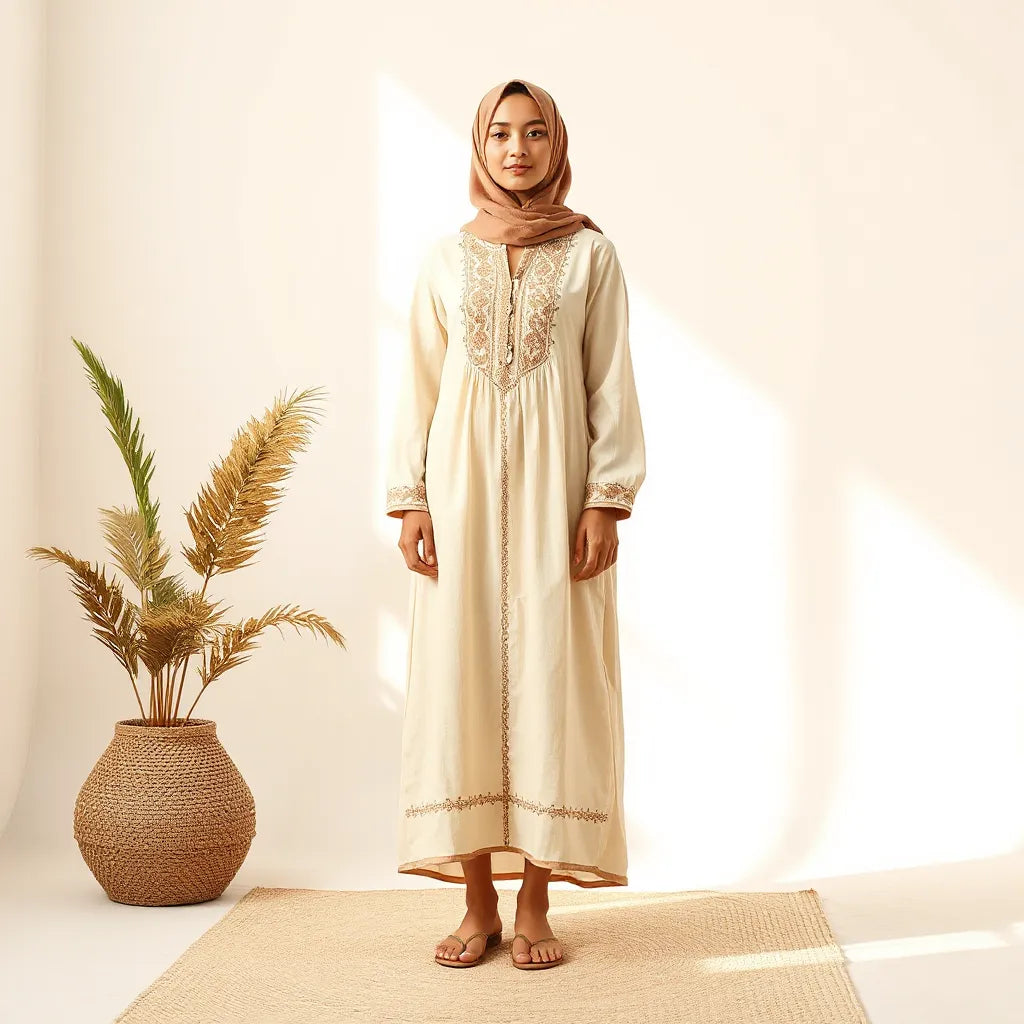
Tone-on-tone styling uses similar shades across the outfit and scarf. This approach creates a unified appearance, which is especially effective for garments with embroidered details. When the tones match, the scarf supports the outfit rather than competing for attention.
Choose contrast with restraint
Contrast can look striking when it is intentional. A deeper scarf color can anchor a lighter outfit, while a lighter scarf can brighten a darker ensemble. The key is to select one contrast direction and keep the rest of the styling consistent.
Respect pattern scale
Pattern scale affects how elegant the final look feels. Fine pattern repeats tend to look refined and do not overpower the face. Larger motifs can look dramatic, but the drape must keep placement consistent. If the scarf shifts, the pattern may appear uneven, which reduces the polished effect.
Care and Finish: Keeping the Style Crisp
Even high-quality fabrics can lose their visual refinement if care is inconsistent. A consistent routine maintains drape, improves color longevity, and keeps edges looking clean.
Wash methods for delicate drape
For lightweight scarves, use gentle washing methods and avoid harsh agitation. After washing, allow fabric to dry naturally and shape it during drying when possible. Gentle care helps preserve the fabric’s natural fall and the clarity of the pattern.
Prevent wrinkles that change the silhouette
Wrinkles alter the drape line and can make an elegant scarf appear unstructured. If you need to refresh the scarf, steam at a safe distance or use controlled, low-heat approaches that match the fabric. Always test a small area first.
Store for stable folds
Storage matters for longevity. Fold or roll scarves in a way that preserves their natural shape. Avoid compressing delicate chiffon with heavy items that can cause permanent creasing.
Accessory pairing for coherence
Accessories influence how elegant scarf styles appear. Simple pins, understated closures, or supportive underlayers can keep the look clean. When the scarf is stable, accessories feel more purposeful rather than compensatory.
For a wider fashion selection with a modest focus, you may also browse NuvaHaven for inspiration. Always choose pieces that align with your comfort needs and coverage preferences.
Pros & Cons Analysis
| Approach | Pros | Cons |
|---|---|---|
| Chiffon-based elegant drapes | Soft movement, refined appearance, and elegant pattern display | May require stable underlayers to reduce shifting |
| Cotton-based structured scarves | Breathable feel, dependable shape, and easier daily handling | May feel less fluid for evening-style volume |
| Complex-looking but anchored tie techniques | Creates consistent silhouette and a polished neckline line | Requires practice to position folds correctly |
| Pattern and color contrast styling | Highlights facial features and creates visual depth | Can look unbalanced if pattern placement shifts |
FAQ Section
What are the most elegant scarf styles for beginners?
Beginner-friendly elegant scarf styles focus on simple anchoring and minimal front complexity. Choose a fabric with stable drape, use an underlayer to prevent slipping, and learn one reliable tie shape that keeps the neckline consistent. Once the foundation is secure, you can refine the shoulder line and adjust volume.
How do I stop my scarf from slipping throughout the day?
Slippage usually comes from a mismatch between the outer fabric and the base layer or from an anchoring gap near the forehead and sides. Use a supportive under-scarf, ensure the tie or drape points sit correctly, and avoid overextending the fabric length beyond the anchoring area.
Which fabric provides the most polished look for formal outfits?
Lightweight chiffon often provides the most refined appearance for formal settings because it creates soft layers and controlled movement. For best results, pair chiffon with a stable underlayer so the final silhouette looks smooth and intentional rather than uneven.
How should I match scarf colors with embroidered garments?
Coordinate by using tone-on-tone or selecting one accent that echoes a shade in the embroidery. Keep the scarf tone aligned with the dominant outfit colors, then use contrast carefully so the embroidery remains the focal point rather than competing with the scarf pattern.
Conclusion & CTA
Elegant scarf styles are built on disciplined choices: fabric that drapes gracefully, anchoring techniques that stabilize the silhouette, and color coordination that creates a coherent look. When these elements align, your scarf becomes a refined finishing layer that elevates both daily and occasion dressing. If you want a visual starting point, explore chiffon-based designs such as the Botanical Heritage digital collection for a balanced blend of softness and pattern clarity.
View Botanical Heritage – Digital Chiffon Collection to see how elegant scarf styling can translate into a polished, wearable look.
About the Author Section
Sulieman Alhazma is a fashion and modest styling writer focused on drape, fabric behavior, and long-wear presentation. With expertise in styling principles and heritage-informed design sensibilities, Sulieman helps readers build confident wardrobes through practical guidance. The approach emphasizes consistent fit, thoughtful layering, and refined finishing details. Sulieman invites you to choose styles that feel comfortable, structured, and distinctly personal.
Disclaimer: This article provides general styling guidance and does not guarantee specific results for every individual. Fabric behavior can vary by personal preference, base layer choice, and handling. Always follow the care instructions provided with your garments.
The content in this blog post is intended for general information purposes only. It should not be considered as professional, medical, or legal advice. For specific guidance related to your situation, please consult a qualified professional. The store does not assume responsibility for any decisions made based on this information.