
Updated on: 2026-08-01
Traditional Palestinian thobes carry far more than a familiar silhouette. They represent regional identity, careful tailoring, and meaningful decorative traditions. When you choose a thobe for everyday wear or special occasions, you are also choosing comfort, durability, and timeless style. With the right fabric, fit, and finishing details, a traditional garment can look refined and feel effortless. This guide explains the most common myths, the key selection steps, and practical care tips to help you buy with confidence.
- Introduction
- Myths vs. Facts
- What Makes Traditional Palestinian Thobes Distinct
- Step-by-Step Guide to Choosing the Right Thobe
- Fabric, Fit, and Finishing Details That Matter
- Care and Storage for Long-Term Beauty
- Styling Ideas for Modern Life
- Frequently Asked Questions
- Summary & Key Takeaways
- Q&A Section
- About the Author
Introduction
Many shoppers want traditional Palestinian thobes that look authentic, feel comfortable, and remain wearable for years. However, the decision can feel complex because details such as fabric weight, tailoring shape, and decorative embroidery can vary widely across regions and makers. If you are building a modest wardrobe or selecting a garment for a meaningful moment, the safest approach is to understand what to look for before you shop. This article offers a clear, practical framework for choosing a thobe with craftsmanship you can see, and quality you can trust.
Myths vs. Facts
Myth: All traditional thobes are heavy and uncomfortable. Fact: Fabrics range from breathable options to structured textiles, so you can select a weight that suits daily wear and different seasons.
Myth: Decorative work is only for special occasions. Fact: Thoughtful embroidery and finishing can elevate everyday outfits without feeling overly formal.
Myth: Fit is standard, so alterations are rarely needed. Fact: A tailored waistline, sleeve shape, and length determine comfort. Even the most beautiful garment should match your measurements or be professionally adjusted.
Myth: Care requirements are too difficult. Fact: With gentle washing practices, correct drying, and careful storage, embroidered details can stay vibrant over time.
What Makes Traditional Palestinian Thobes Distinct
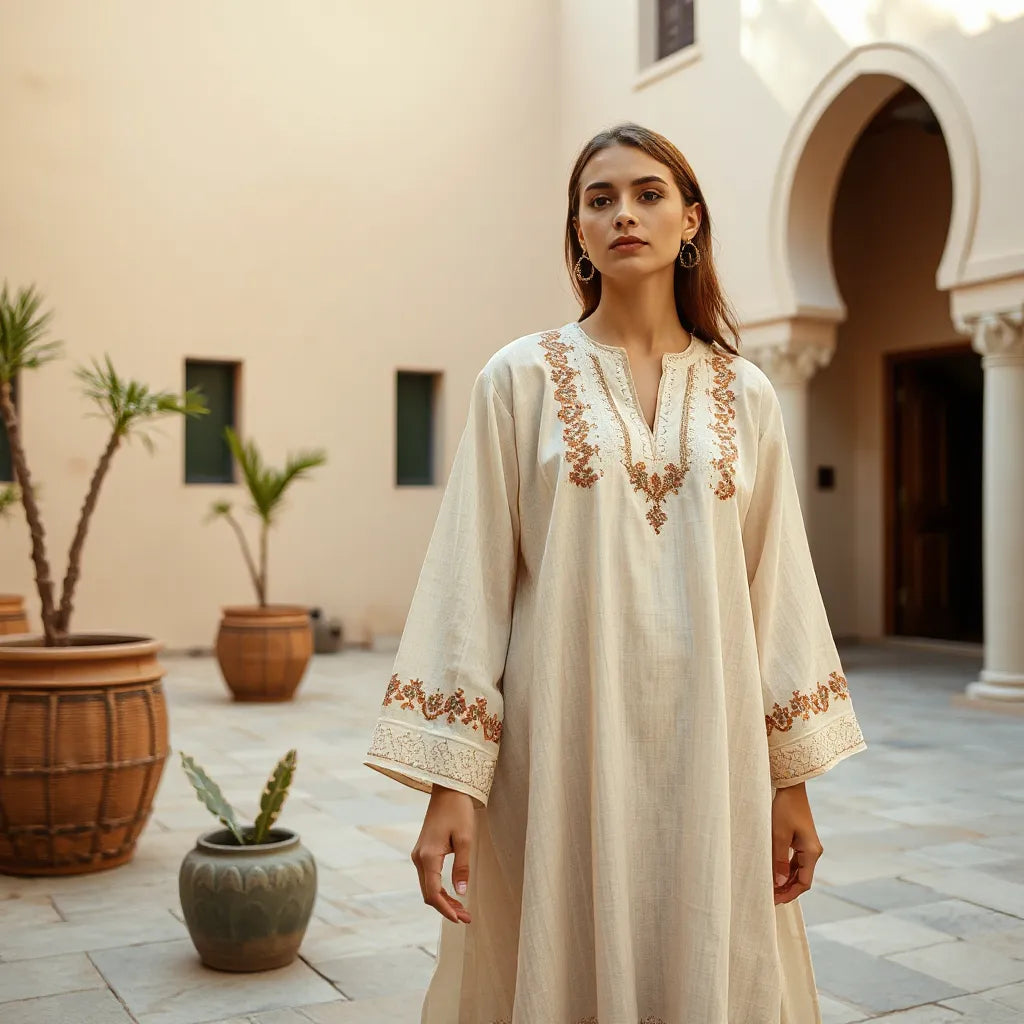
Traditional Palestinian thobes are recognized by their silhouette, pattern placement, and decorative language. Many garments feature embroidery at meaningful points such as the front opening, collar area, cuffs, and hem. The overall effect is both visual and symbolic, reflecting the maker’s skill and the wearer’s identity. Beyond appearance, a well-made thobe is engineered for movement: the cut supports comfort, and the construction helps the fabric hold its shape.
When you shop with intention, you also support artisan practices that depend on time, technique, and material selection. Palestinian Elegance is a family-owned boutique bridging traditional Palestinian heritage with modern fashion, with a focus on high-quality Tatreez (hand-embroidery), modest wear, and artisan-made Kuffiyehs. Choosing a thobe aligned with these values helps preserve craftsmanship while meeting modern needs.

Embroidery motifs, collar lines, and hem patterns in focus
Step-by-Step Guide to Choosing the Right Thobe
Use the following approach to narrow your options quickly and select a garment that fits your lifestyle. Each step is designed to reduce guesswork and improve long-term satisfaction.
Define the occasion and frequency. Decide whether the thobe is for daily wear, visits, celebrations, or seasonal use. This determines fabric weight and the level of decorative intensity.
Measure your preferred comfort area. Focus on bust, waist, hip, sleeve length, and overall length. Comfortable modest fit usually depends on ease through the torso rather than tight tailoring.
Check the silhouette and movement. Look for a cut that allows you to walk and sit comfortably. Pay attention to opening placement and sleeve shaping.
Assess fabric behavior. Choose textiles that match your environment. If you want breathability, prioritize fabrics that feel light and do not cling excessively.
Evaluate decorative placement. Identify where embroidery is concentrated. Balanced placement typically looks intentional and supports visual harmony from collar to hem.
Confirm finishing quality. Examine hems, cuffs, and seams. Clean edges and secure stitching indicate better longevity.
Plan for alterations if needed. Even a strong match benefits from professional adjustments for length and sleeve fit. This is often the difference between “almost right” and “perfect.”
If you also want to complete your modest ensemble with coordinated layers, consider pairing your thobe with complementary modest accessories. For a polished foundation, you may explore inner pieces such as a cotton inner hijab or a seam-focused underlayer like underscarf bonnet cotton seam.
Fabric, Fit, and Finishing Details That Matter
Even within the category of traditional Palestinian thobes, quality is revealed through the relationship between fabric, cut, and finishing. Start with the fabric’s surface and weight. A thobe should drape cleanly without becoming rigid. For comfort, the fabric should move with the wearer rather than fight the body’s natural motion.
Fabric selection: Choose materials that align with your climate and your comfort preferences. Breathable options often feel lighter and more wearable during warmer conditions. Structured textiles can create a crisp look for events and photos, while still requiring proper stitching to avoid stiffness.
Fit architecture: A traditional silhouette often balances a defined torso shape with relaxed ease through the skirt area. Look for sleeve proportions that do not restrict movement. The overall length should suit your height and preferred footwear, especially when the hem is decorated or embroidered.
Decorative workmanship: Decorative details should appear stable and evenly finished. Embroidery that is carefully applied at the collar, front, and sleeve edges typically creates a cohesive visual rhythm. In addition to beauty, the best embroidery work is practical: it should remain secure after washing and daily handling.
Finishing quality: Hems, seam allowances, and cuffs should be neat and consistent. Even small differences can affect how the thobe hangs and how it withstands repeated wear. Secure closures are also important for daily comfort and longevity.

Tailoring lines, sleeve movement, and hem stitching details
When you prioritize these elements, you improve both appearance and wearability. If your wardrobe already includes modest layers, choose hosiery, scarves, and underlayers that do not crowd the thobe neckline. For example, a coordinated chiffon or soft-flow option can balance decorative embroidery without competing for visual attention. You may also explore a matching statement approach with premium soft chiffon hijab for a refined drape.
Care and Storage for Long-Term Beauty
Proper care protects decorative elements, preserves fabric integrity, and supports a consistent look over time. Follow general best practices, and always follow the care instructions provided for your specific garment.
Washing approach: If the thobe includes embroidery or delicate finishing, consider gentle washing methods. In many cases, hand washing or a delicate machine cycle in a mesh bag reduces stress on decorative areas. Use mild detergent and avoid harsh chemical treatments that can weaken fibers.
Drying and heat: Air drying is often the safest choice for embroidered textiles. Excessive heat can alter fabric texture and, over time, may affect the appearance of thread work. Avoid direct, prolonged sun exposure when possible, especially for garments with high-contrast decorative elements.
Ironing and steaming: Use controlled heat and consider steaming to reduce direct contact pressure on embroidered sections. If you iron, use a protective cloth and focus on maintaining the garment’s natural drape.
Storage: Store the thobe in a clean, dry space away from moisture. Use breathable garment covers to prevent dust accumulation. For garments with detailed embroidery, laying flat or carefully hanging with padded support can reduce stress on decorative placements.
Styling Ideas for Modern Life
Traditional Palestinian thobes can integrate seamlessly into contemporary wardrobes. Styling should respect the garment’s decorative language and keep the overall look balanced.
Keep the palette intentional. If the thobe features embroidery with multiple accents, choose accessories in neutral or harmonizing tones. A consistent color story makes the embroidery appear more defined.
Use layers that match the neckline. If your thobe has a structured collar or front opening, select a headscarf that sits neatly and does not create excessive bulk. A smooth drape often highlights the thobe without distraction.
Coordinate footwear and outer layers. Depending on the occasion, choose footwear that supports your day-to-day movement. For cooler settings, consider a lightweight outer layer that does not overpower the thobe silhouette.
For special occasions, enhance rather than add. Use one or two statement elements such as a structured outer layer or carefully chosen accessories. Traditional Palestinian thobes already carry visual interest through embroidery and tailoring.
If you want to build a cohesive modest outfit, you can also pair your thobe with a complementary headscarf strategy. For a smooth and elegant approach, consider soft flow chiffon hijab to support a refined neckline without competing with decorative work.
Frequently Asked Questions
How do I know whether a thobe will be comfortable for daily wear?
Comfort depends on fabric weight, sleeve proportion, and overall ease through the torso. Review the garment cut, check how the length aligns with your usual footwear, and prioritize breathable textiles if you expect frequent wear.
What type of embroidery details should I look for?
Look for decorative placement that appears balanced and securely finished at key areas such as the collar, cuffs, and hem. Even coverage and clean thread work typically indicate careful construction that can withstand regular use.
Should I buy a thobe based on my size or my measurements?
Measurement-based selection is usually more reliable than general sizing. Confirm bust, waist, hip, sleeve length, and desired garment length. If needed, plan for professional alterations to achieve the most comfortable fit.
Summary & Key Takeaways
Traditional Palestinian thobes combine heritage craftsmanship with practical comfort. You can choose confidently by focusing on fabric behavior, silhouette fit, decorative placement, and finishing quality. With gentle care and thoughtful storage, your thobe can remain elegant for years. When you are ready to refine your wardrobe, consider selecting pieces that support artisan traditions while aligning with your daily lifestyle. For modest outfit planning, explore matching modest layers and coordinated styles through Palestinian Elegance.
Q&A Section
Are traditional Palestinian thobes suitable for different seasons?
Yes. The season suitability depends on textile weight and fabric composition. Lighter, breathable textiles generally perform well in warm conditions, while more structured fabrics can offer a refined look for cooler weather. Selecting the right material for your climate is the most direct way to stay comfortable.
How can I preserve the appearance of embroidery after washing?
Use mild detergent and select gentle washing methods. Air drying reduces stress on decorative threads. If you steam or iron, protect embroidered sections with a cloth and use controlled heat to maintain thread texture.
What is the best way to ensure a thobe looks polished in photographs?
Choose the correct length and sleeve shape for your height and movement. Press gently or steam to support natural drape, and select a headscarf that complements the thobe neckline. Balanced color choices and neat finishing also improve overall presentation.
About the Author
Sulieman Alhazma is a fashion and craftsmanship enthusiast specializing in modest wear and heritage-inspired design. With a focus on quality, fit, and careful presentation, Sulieman helps shoppers understand how traditional Palestinian thobes can blend cultural meaning with modern practicality. The goal is simple: empower confident choices that respect artisan work and enhance everyday comfort. Thank you for reading, and may your next garment selection be thoughtful and rewarding.
Disclaimer: This article provides general guidance on garment selection and care. Actual results depend on the specific fabric, construction, and care instructions for each individual product.
The content in this blog post is intended for general information purposes only. It should not be considered as professional, medical, or legal advice. For specific guidance related to your situation, please consult a qualified professional. The store does not assume responsibility for any decisions made based on this information.