

Updated on: 2026-08-20
Handmade Palestinian garments carry more than visual appeal. They preserve craft knowledge, support skilled makers, and offer clothing that tends to feel substantial and intentional.
From traditional tatreez embroidery to carefully finished silhouettes, these pieces can be styled for everyday modest looks or special occasions.
Choosing the right garment involves checking materials, construction details, and care requirements before purchasing.
With thoughtful maintenance, artisan-made items can remain part of your wardrobe for years rather than seasons.
1. Product Spotlight
2. Step-by-Step How-To
3. Personal Experience
4. Summary & Recommendations
5. Q&A Section
6. About the Author
Handmade Palestinian garments: a spotlight on a modern embroidered dress
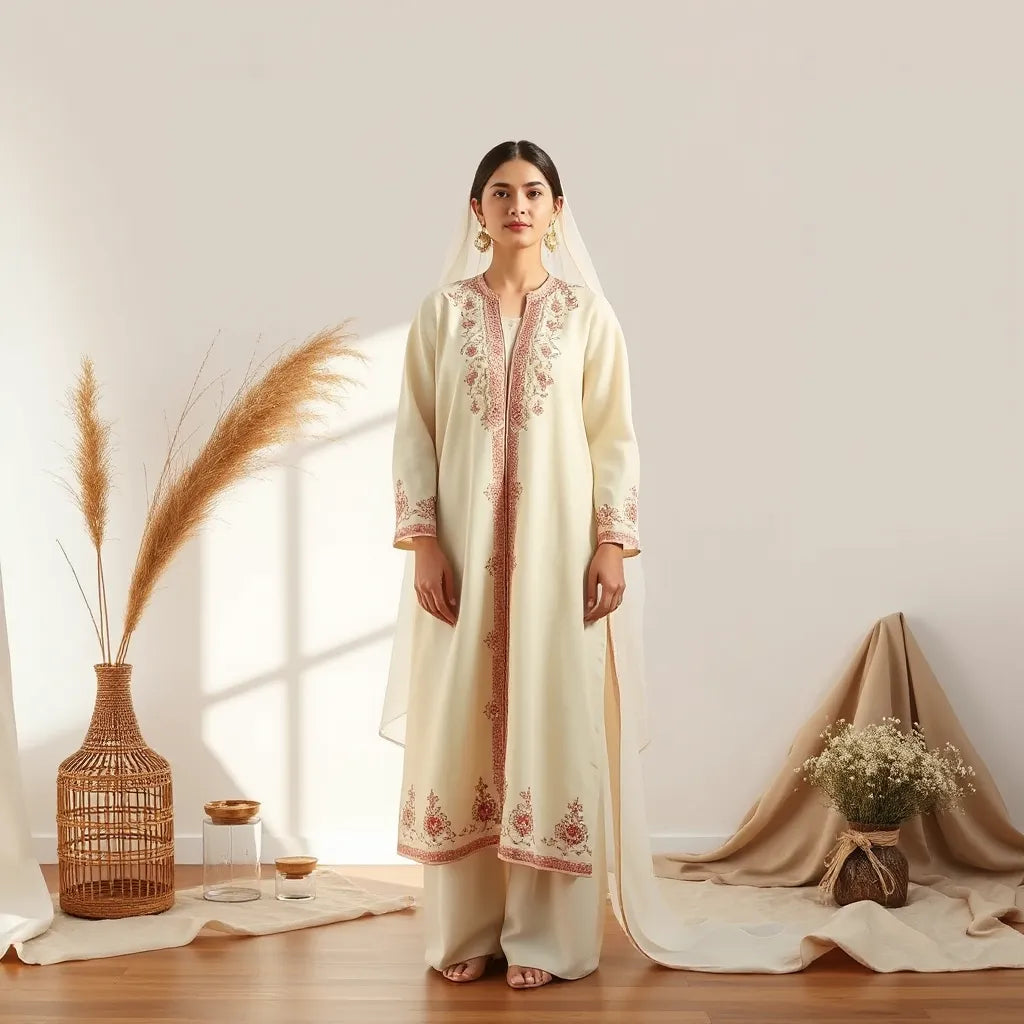
Handmade Palestinian garments are often recognized for their embroidery traditions and distinctive design language. What is sometimes overlooked, however, is the way skilled construction turns heritage aesthetics into garments that wear well today. A standout example is a thoub-style dress with refined embroidery placement, where craft meets structure. These dresses commonly feature thoughtful shaping, durable seams, and embroidery that reads clearly in natural light, even from a distance.
When you shop artisan-made modest wear, you should look beyond the first visual impression. The most satisfying pieces usually show disciplined finishing: clean hems, consistent stitching tension, balanced proportions, and embroidery that appears anchored rather than loosely applied. Such details matter because they influence comfort during movement and how the garment holds its form after repeated wear.
- Embroidered clarity: Motifs should appear intentional in scale and spacing, not crowded or uneven.
- Comfortable structure: Look for stable panels and a silhouette that supports modest layering.
- Wearability across occasions: A well-made dress can move from daytime errands to formal events.

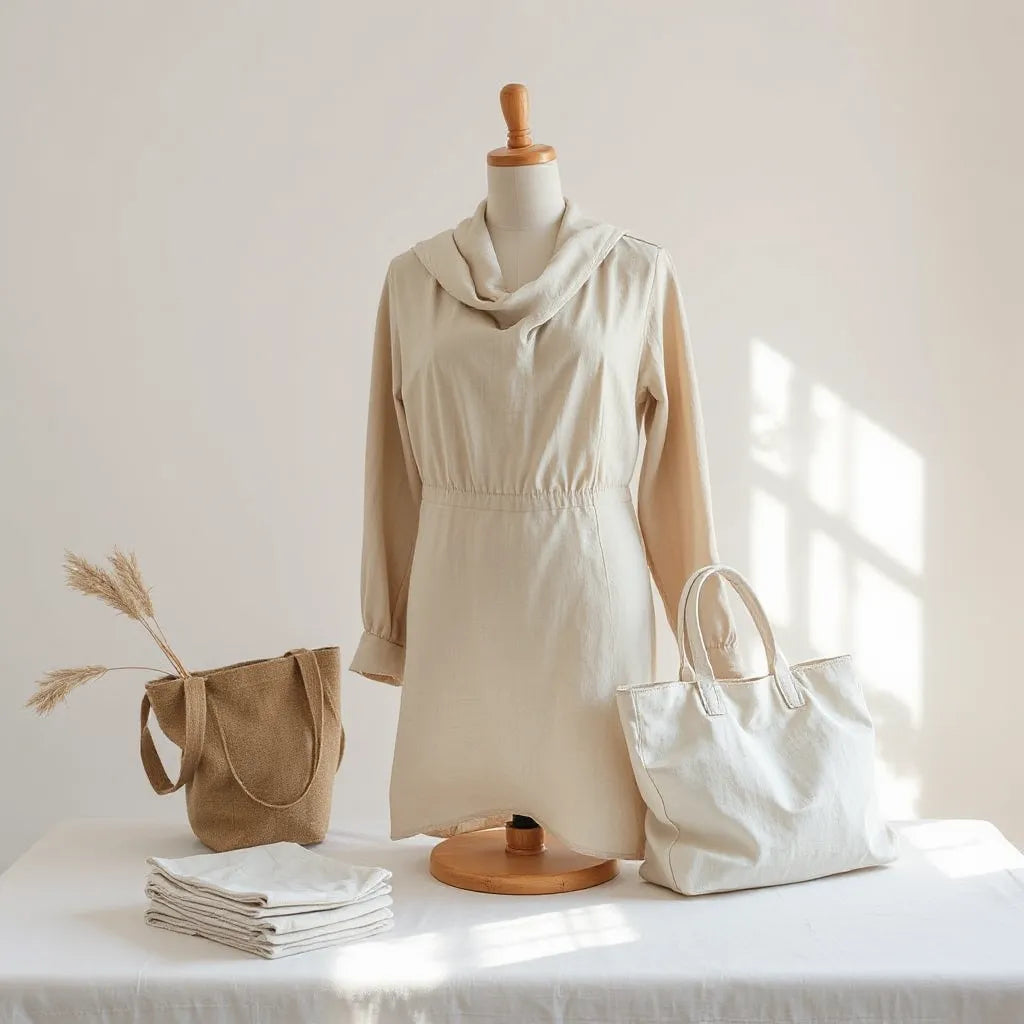
Embroidery-inspired motifs, balanced spacing, soft fabric folds
For readers exploring modest fashion with heritage roots, an embroidered thoub can serve as a flexible centerpiece. At Palestinian Elegance, the boutique approach emphasizes quality and cultural continuity, especially through Tatreez (hand-embroidery). If you want to compare styles, you can review an artisan dress option here: green ruby embroidered thobe.
Even if a dress is not your priority, the same evaluation method applies to other handmade Palestinian garments, including embroidered outerwear, coordinated modest sets, and artisan-made hijab styles. The goal remains consistent: identify pieces where craftsmanship shows through construction and finishing, not only through surface decoration.
Step-by-Step How-To: choose handmade Palestinian garments with confidence
Buying artisan-made modest clothing should feel careful, not complicated. Use the steps below to evaluate quality quickly while still honoring craft. These practices also help you avoid common disappointment, such as garments that look different in person or require care you did not anticipate.
Step 1: Confirm the fabric and intended use
Start with what the garment is designed to do. Consider whether you need breathable cotton for warm days, fluid chiffon for layered movement, or structured fabric that holds shape. If the fabric is lightweight, plan for how it will drape with a head covering or underlayers. This is especially important for garments that feature embroidery, because thread tension and base fabric type influence how motifs sit over time.
Step 2: Assess embroidery and finishing
Look for clear motif boundaries, even stitch rhythm, and stable edges around embroidered sections. Good embroidery generally reads as raised and anchored, with consistent color saturation. Also check finishing points such as hems, neckline stitching, and openings. If the garment has a zipper, buttons, or ties, those components should feel secure and aligned.
Step 3: Verify sizing logic for modest wear
Modest wear often relies on graceful space for movement and layering. Before selecting a size, identify how the garment should fit at the shoulders, bust, waist, and sleeves. If the dress is intended to fit loosely or drape, prioritize length and arm coverage. If you plan to wear it with additional layers, remember that extra fabric can change how a garment moves and how embroidery visually frames the body.
Step 4: Evaluate care needs realistically
Embroidery and delicate fibers respond best to gentle care. Review whether the garment requires hand washing, careful drying, or specific storage. When you understand care steps, you can preserve color depth and stitching integrity. A garment that requires special handling can still be worthwhile, but your routines should match the commitment.
Step 5: Decide on styling direction
Heritage garments often look strongest when styled with intentional harmony. Choose a complementary hijab or head covering that supports the garment’s palette and texture. If you want a coordinated, polished result, consider a chiffon hijab option for fluidity. For example, you can explore a premium option here: premium soft chiffon hijab. If you prefer cotton-based inner layers, pairing with an under-scarf can improve comfort and coverage stability.

Layering checklist visuals: drape, seams, stitching close-up
For many customers, the most effective approach is to treat the purchase as an investment in daily wearing quality. Handmade Palestinian garments are often made in limited quantities and designed to last. As a result, selecting the right fit and care plan is part of respecting the craft.
Personal Experience: how craftsmanship changed my wardrobe choices
I began thinking about handmade Palestinian garments in a different way after noticing how my appreciation shifted from “design novelty” to “wearing reliability.” A friend shared an embroidered garment that she had owned for years. What surprised me was not only that it still looked beautiful, but that it had become easier to style. The garment had that lived-in confidence: the fabric softened where it naturally flexed, and the embroidery remained crisp because it was cared for properly.
That experience made me pay attention to details I previously ignored. I started checking the seam alignment, looking for consistent stitching density, and evaluating how the garment draped when I lifted my arms. I also learned to read the garment’s structure rather than guessing from photos alone. When the construction is sound, the design shows up as comfort, not just aesthetics.
Since then, I have recommended a simple rule to anyone building a heritage wardrobe: select fewer items, but choose them with a standard of craftsmanship. When modest wear is made to last, you spend less time replacing pieces and more time creating outfits you genuinely enjoy. This is one reason Palestinian Elegance’s mission resonates: the boutique bridges traditional Palestinian heritage with modern fashion, emphasizing artisan-made workmanship, including Tatreez.
Summary & Recommendations: build a heritage wardrobe that lasts
Handmade Palestinian garments offer a meaningful combination of heritage artistry and everyday functionality. The strongest purchases come from evaluating fabric behavior, embroidery clarity, finishing quality, and realistic care needs. When these factors align, the garment becomes a dependable part of your wardrobe rather than a one-time special item.
To make your next decision easier, consider these recommendations:
- Prioritize construction: Look at seams, hems, and closures for clean, consistent finishing.
- Match fabric to your lifestyle: Choose breathable textiles for comfort and structured fabrics for shape retention.
- Plan your care routine: Gentle handling protects embroidery and supports long-term color quality.
- Style with compatible textures: A well-chosen head covering or inner layer improves the overall drape and comfort.
If you want to explore artisan-made modest pieces with a focus on craftsmanship, review the curated collection through this store link once: Kg2g.store. The best result comes from selecting garments that fit your daily needs and preserve the integrity of the embroidery work over time.
Q&A Section
What makes handmade Palestinian garments different from mass-produced modest clothing?
Handmade garments typically show stronger attention to finishing and consistency. Craftsmanship is visible in stitch rhythm, embroidery placement, seam alignment, and material choices. Beyond appearance, better construction influences how a garment drapes, moves, and maintains its shape with regular wear.
How should I care for embroidered pieces without damaging the thread work?
Use gentle cleaning methods appropriate for the base fabric. When possible, wash with care and avoid harsh agitation. Drying should be handled according to fabric needs, since extreme heat can affect both color stability and thread structure. Store garments in a clean, dry space to reduce friction and preserve motif clarity.
Can I wear artisan-made garments for everyday activities, not only special occasions?
Yes. Many handmade Palestinian garments are designed with daily comfort in mind, especially when fabrics are breathable and silhouettes support movement. Choose styles that match your routines, such as pieces with comfortable drape or manageable closures. Proper layering and a compatible head covering can also make daily wear feel effortless.
What should I check when ordering modest wear online to ensure a good fit?
Review size guidance carefully and consider how modest layering will affect fit. Pay attention to garment length, sleeve coverage, and how the garment is intended to drape. If the fabric is light or fluid, anticipate how it will behave over an inner layer. When in doubt, choose the option that best supports your preferred coverage and movement.
About the Author
Sulieman Alhazma is a fashion and textile specialist focused on modest wear craftsmanship, heritage design standards, and quality evaluation for embroidered garments. With experience in artisan-led merchandising and product guidance, he helps readers understand construction details that protect both comfort and cultural value. He writes with a practical, respectful tone to support confident purchasing decisions and long-term wardrobe building. Sulieman welcomes readers to approach heritage fashion with care, curiosity, and informed selection.
Disclaimer: This article provides general guidance on selecting and caring for artisan-made modest wear. Care instructions and fit can vary by fabric and construction, so always follow the product details provided at the time of purchase.
The content in this blog post is intended for general information purposes only. It should not be considered as professional, medical, or legal advice. For specific guidance related to your situation, please consult a qualified professional. The store does not assume responsibility for any decisions made based on this information.