
Updated on: 2026-08-21
Sustainable Fabric Fashion: What It Really Means
Sustainable Fabric Fashion is not a single material or a trend. It is a complete approach to how garments are designed, produced, used, and cared for. At its core, it focuses on reducing environmental harm while supporting people and communities across the supply chain. This includes smarter fiber choices, lower-impact dyeing processes, and production methods that respect craftsmanship and durability.
In practical terms, Sustainable Fabric Fashion favors clothing that you can wear often and keep in good condition. It also values transparency, so you can understand what your garment is made of and why. When a brand pays attention to fabric performance, seams, and finishing, the result is often a longer service life. That longevity reduces the need for replacement purchases and limits waste.
Many shoppers also want modest wear that aligns with everyday comfort. Fabrics such as cotton, bamboo blends, and responsibly sourced chiffons can be selected for breathability and drape. When these materials are handled thoughtfully, they can support both style and responsible consumption.

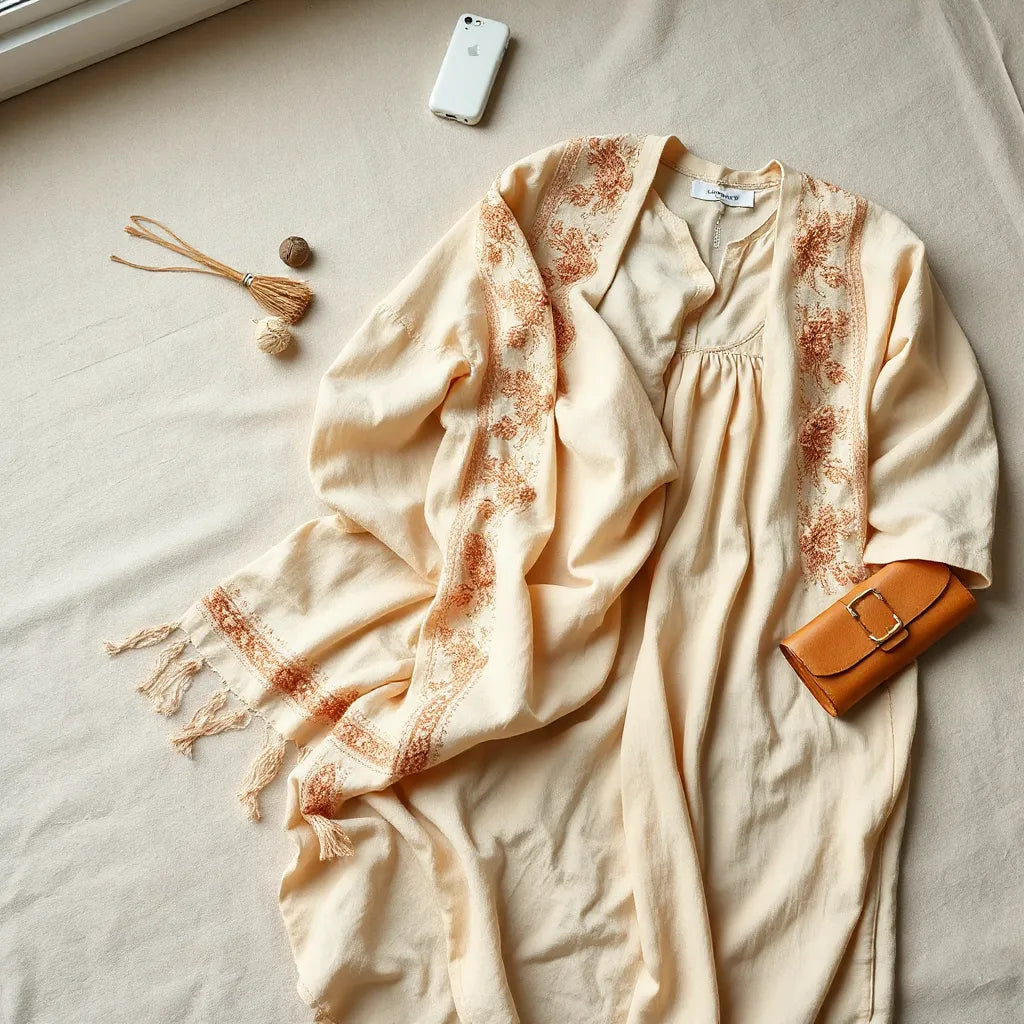
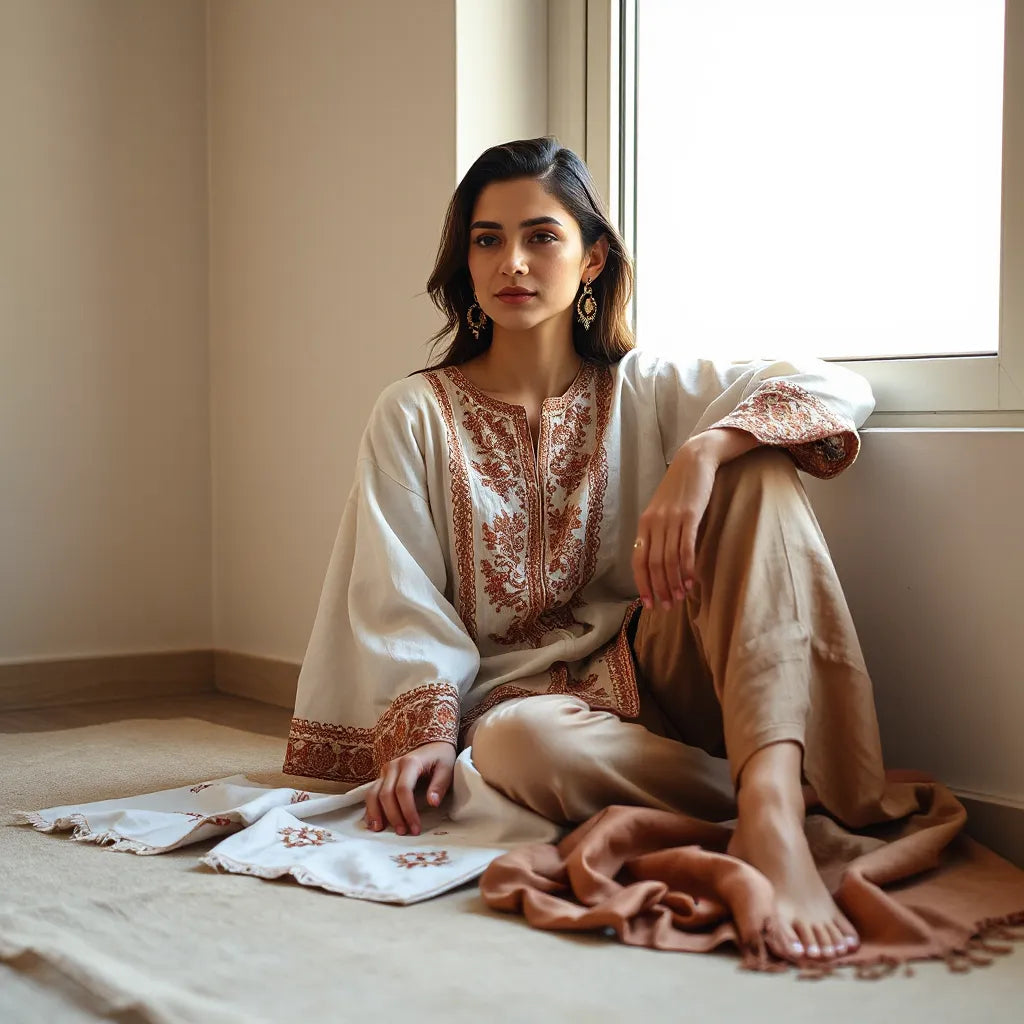
Lightweight fabrics, durability cues, and low-waste visuals
Common Mistakes
Even well-intended buyers can make choices that weaken the sustainability impact of a wardrobe. The following issues occur frequently across online shopping.
Prioritizing appearance over longevity: A garment may look good for a short time but wear out quickly due to poor seam structure or fragile fabric finishing.
Ignoring fiber composition: Without understanding the fabric blend, it is harder to assess breathability, wash behavior, and long-term care needs.
Falling for vague terms: Words like eco-friendly or natural can be marketing shortcuts if they are not supported by clear details.
Buying for a single occasion: One-time use increases the likelihood of early replacement, even if the item appears “premium.”
Using incorrect care routines: Excess heat, harsh detergents, and aggressive drying can degrade fibers and reduce drape.
To make better decisions, connect the sustainability message to observable quality signals. These include stitching quality, fabric recovery, colorfastness guidance, and realistic care instructions.
Buyer’s Checklist
Use this checklist before adding a garment to your cart. It keeps the evaluation focused on measurable factors rather than slogans.
Verify the fiber: Look for a clear fabric description, such as cotton, viscose, or a defined blend. If the blend is stated, assess how it affects drape and breathability.
Assess construction details: Check seam finish, edge handling, and how the fabric is supported. Strong construction usually translates to longer wear.
Review care guidance: Durable pieces typically include practical wash and handling recommendations. Follow them closely.
Evaluate color and pattern permanence: If a product description mentions color care, it is often easier to preserve the look without over-washing.
Look for thoughtful production: Choose brands that explain their approach, such as artisan techniques or structured quality control.
Choose versatile styles: Neutral tones, consistent sizing, and adaptable silhouettes typically support repeat wear.
Confirm values alignment: Sustainable Fabric Fashion also means supporting respectful work practices and cultural knowledge, not only materials.
If you apply these steps consistently, your purchases become more intentional. That is how sustainable wardrobes are built.
Materials Made with Intention
The fabric itself drives many sustainability outcomes. Fiber selection influences how energy and water are used in processing, how long a garment lasts, and how it behaves after repeated washing. For many modest wardrobe needs, breathable fibers and stable finishing are especially important.
Cotton is widely appreciated for comfort and ease of care. Cotton that is made with attention to dyeing and finishing can maintain softness over time. Chiffon fabrics are often chosen for their light drape and elegant movement. When chiffon is engineered for consistent recovery and comfort against the skin, it can support repeat styling without constant replacement.
Another important concept is fabric weight and structure. Lightweight does not automatically mean fragile. Some lightweight textiles are durable because of how fibers are spun and finished. Buyers should evaluate how the fabric holds shape and whether it returns to its intended form after washing.
In Shopify product pages, shoppers can also benefit from clear visuals and specific fabric notes. A well-photographed fabric that shows texture and drape can help you judge quality more accurately before checkout.
Botanical Heritage – Digital Chiffon Collection

Shop Botanical Heritage – Digital Chiffon Collection
Digital printing can also play a role in sustainability strategies when it reduces waste and supports precise placement. The key is still durability and care. The most responsible choice is the one you can wear repeatedly and keep looking well through the seasons.

Care symbols, wash-stay color cues, gentle-drape visuals
How to Evaluate Labels and Claims
Sustainability claims should be specific enough to guide purchasing decisions. A label that explains a process is more useful than a label that only provides a broad promise. When reviewing product details, look for statements that connect to real outcomes.
Clarity on materials: Fiber names and blend percentages are stronger than general descriptors.
Process transparency: Notes about dyeing approach, printing methods, or finishing techniques indicate a more accountable chain.
Care instructions that preserve performance: Good care guidance supports longevity and reduces the need for replacement.
Durability cues: Mentions of seam work, edge finishing, and fabric stability help you estimate service life.
Responsible brand storytelling: When a brand explains its mission and artisan base, it often signals continuity rather than disposable production.
If a product is designed for modest wear, the label should also help you predict comfort. For example, underscarf solutions or inner layers should be described in a way that aligns with skin comfort, breathability, and secure placement. For shoppers exploring inner layers and cohesive styling, consider relevant options such as cotton underscarf construction or cotton inner hijab comfort. Choosing supportive layers can reduce friction and help outer pieces maintain shape.
Care for a Longer Life
Care practices often decide whether a garment becomes a long-term staple or a short-term purchase. Sustainable Fabric Fashion benefits when washing routines are aligned with the fabric design.
Start with these habits:
Wash less frequently when possible: Spot cleaning and air airing can extend the time between washes.
Use gentle detergents: Harsh formulas can weaken fibers and reduce softness over time.
Choose appropriate water temperatures: Hot water can damage some fibers and accelerate fading.
Handle delicate fabrics carefully: Lightweight chiffons benefit from gentle drying and minimal manipulation.
Dry with care: Excess heat can distort drape. When possible, allow fabric to dry naturally.
Store to preserve shape: Fold with attention to creasing, and avoid tight storage that strains fabric.
These steps reduce degradation and help your wardrobe stay visually consistent. They also support a less wasteful consumption pattern because you depend less on replacement purchases.
Fashion That Feels Good and Lasts
Sustainable Fabric Fashion should not force compromise. When design and fabric selection are done well, comfort and style can move together. A garment that sits correctly on the body can reduce constant readjustment, which protects fabric edges from stress.
For modest wear, comfort also includes stable coverage and smooth layering. Quality inner options can improve overall wearability. When the base layer is designed to support the outer piece, the full outfit experiences fewer disturbances during the day. That matters because frequent friction and tugging can shorten fabric life.
Brands that bridge heritage craftsmanship with modern garment construction can support this goal. Palestinian Elegance is a family-owned boutique bridging traditional Palestinian heritage with modern fashion. The mission is cultural preservation and empowering local artisans, with specialization in high-quality Tatreez (hand-embroidery), modest wear, and artisan-made Kuffiyehs. This type of value alignment can strengthen sustainability outcomes by supporting continuity, not disposable cycles.
When you shop, look for items that integrate craftsmanship and practical fabric engineering. If you want a style direction that emphasizes cohesive construction and fabric compatibility, you may explore coordinated modest wear options. For example, you can review a structured piece such as Sukoon Simply Abaya for a silhouette that is designed for repeat styling and long-term use.
FAQ
Is Sustainable Fabric Fashion only about organic materials?
No. Sustainable Fabric Fashion includes responsible fiber selection, but it also depends on construction quality, finishing, dyeing and printing practices, and how garments are cared for. A fabric can be responsibly processed and still require good care to maintain performance. Durability and repeat wear are central to the impact.
How can I tell whether a fabric will last beyond a few washes?
Look for clear fabric composition, practical care guidance, and construction details such as reinforced edges and careful seam finishing. If the product information explains how to wash and maintain the textile, it is often a signal that the garment is designed for longevity. Avoid garments with no care instructions or unclear fiber content.
Does choosing modest wear automatically make fashion more sustainable?
Modest wear can be compatible with sustainability, but it is not automatic. The sustainability outcome comes from how a garment is made and how often it is worn. If modest garments are produced with durable fabrics and thoughtful construction, they can become long-term wardrobe investments.
What is the most effective way to reduce clothing waste as a buyer?
Buy fewer items, but choose those that fit well, feel comfortable, and are built for repeated styling. Use the checklist approach: confirm fiber details, assess construction, follow care guidance, and select versatile styles. The best waste reduction comes from extending the service life of the clothing you already own.
Wrap-Up and Final Thoughts
Sustainable Fabric Fashion is a decision framework, not a single label. It connects fabric science, garment construction, and daily care to responsible consumption. When you prioritize fiber clarity, durability cues, and realistic care guidance, you support a wardrobe that stays in rotation for longer. That is how sustainability becomes practical.
If you are building a collection focused on mindful materials and timeless modest styling, start with versatile pieces and supportive layers. Then choose garments that match how you actually live. For additional inspiration around well-made modest wardrobe essentials, explore the boutique’s collection at Palestinian Elegance and select items designed to be worn repeatedly.
About the Author
Sulieman Alhazma is a fashion and fabric specialist focused on sustainable textile evaluation and modest wear styling. With expertise in material performance, garment construction, and responsible purchasing habits, Sulieman helps shoppers select pieces that combine comfort, durability, and cultural respect. Sulieman’s work emphasizes practical guidance that supports long-term wardrobe value. Thank you for reading, and may your next garment choice be both intentional and enduring.
Disclaimer: This article provides general educational guidance on fabric selection and garment care. It does not replace product-specific instructions. Always follow the care and usage recommendations provided with each item.
The content in this blog post is intended for general information purposes only. It should not be considered as professional, medical, or legal advice. For specific guidance related to your situation, please consult a qualified professional. The store does not assume responsibility for any decisions made based on this information.